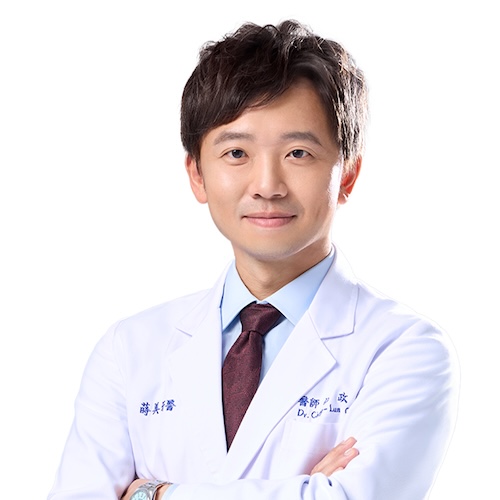
江政倫 醫師
金山蒔美總院長/板橋蒔美院長暨主治醫師/北大蒔美主治醫師/三重蒔美主治醫師/蒔美牙醫集團執行長
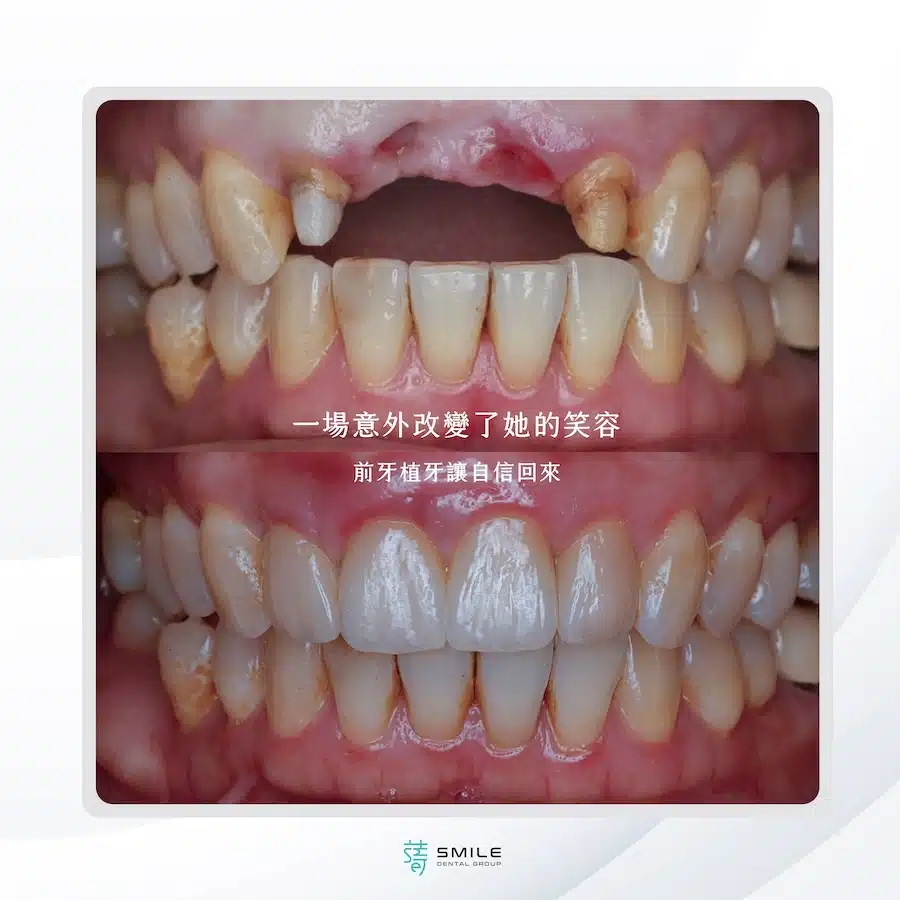
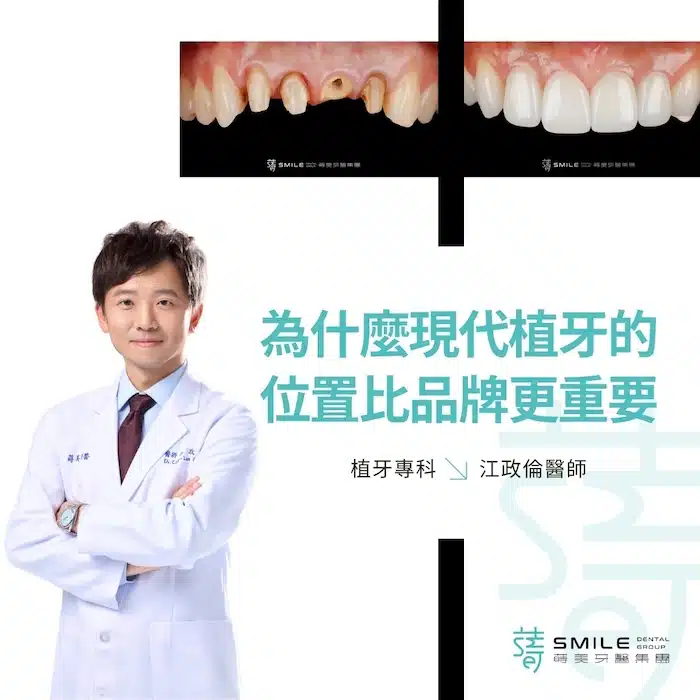
前牙植牙,不只看當下是否美觀,更要看多年後,能不能依舊維持自然。臨床上,真正讓美觀區失敗的常見原因不是假牙顏色。系統性回顧與臨床研究顯示,美觀區植體周圍的軟組織狀態(厚度、缺損、退縮)與長期美觀結果高度相關;軟組織問題常需要增厚或重建策略,並且與清潔可達性與長期發炎控制密切相關。
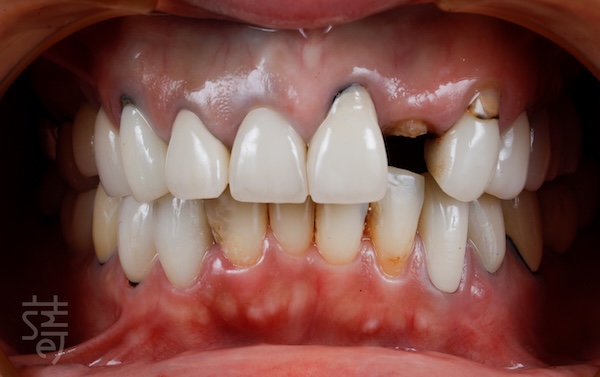

前牙植牙,不只看當下是否美觀,更要看多年後,能不能依舊維持自然。
臨床上,真正讓美觀區失敗的常見原因不是假牙顏色,而是:
. 牙齦慢慢退縮
. 牙齦線條變形
. 長期清潔困難造成慢性發炎
. 金屬邊緣或陰影逐漸顯露
Anterior implant dentistry isn’t judged only by how it looks at placement, but by whether it still appears natural years later.
In clinical practice, the most common reasons aesthetic-zone implants fail are not crown color, but:
. gradual gum recession
. distortion of the gingival contour
. chronic inflammation caused by long-term cleaning difficulties
. progressive exposure of metal margins or shadows
為什麼牙齦會退縮?時間是一面放大鏡
Why Do Gums Recede? Time Is a Magnifying Glass
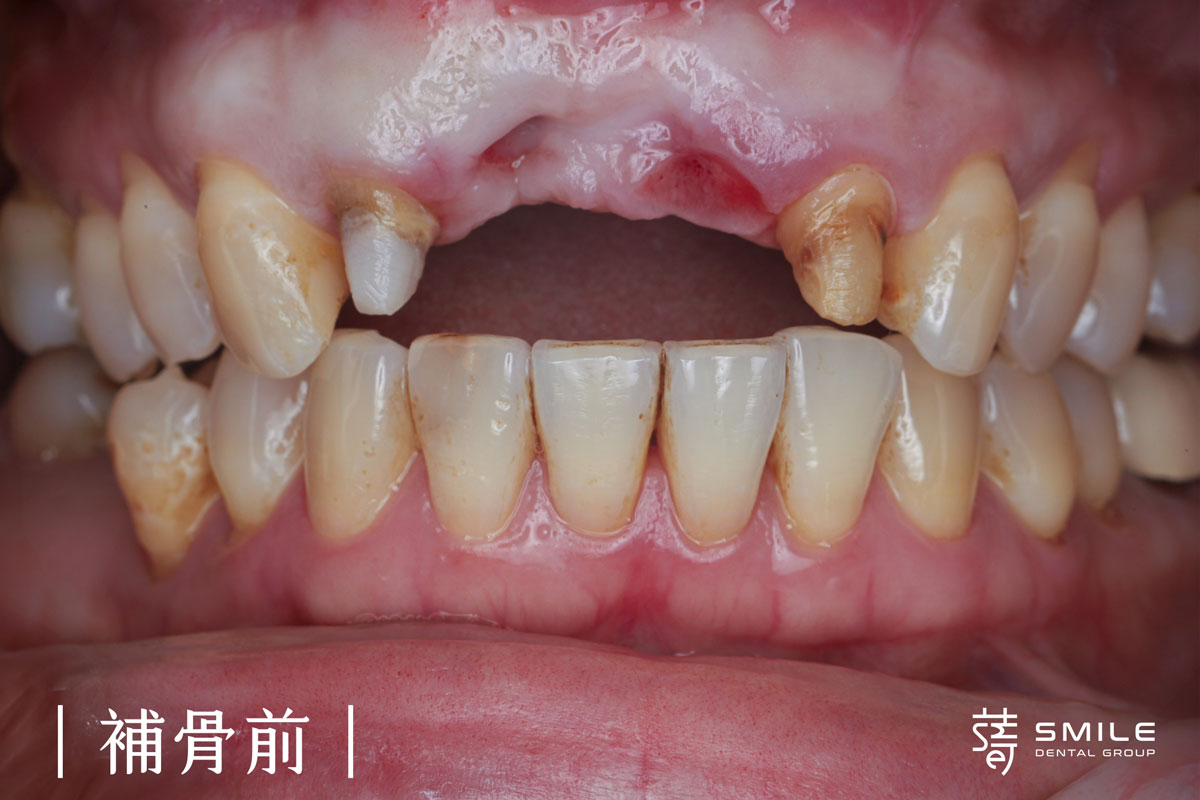
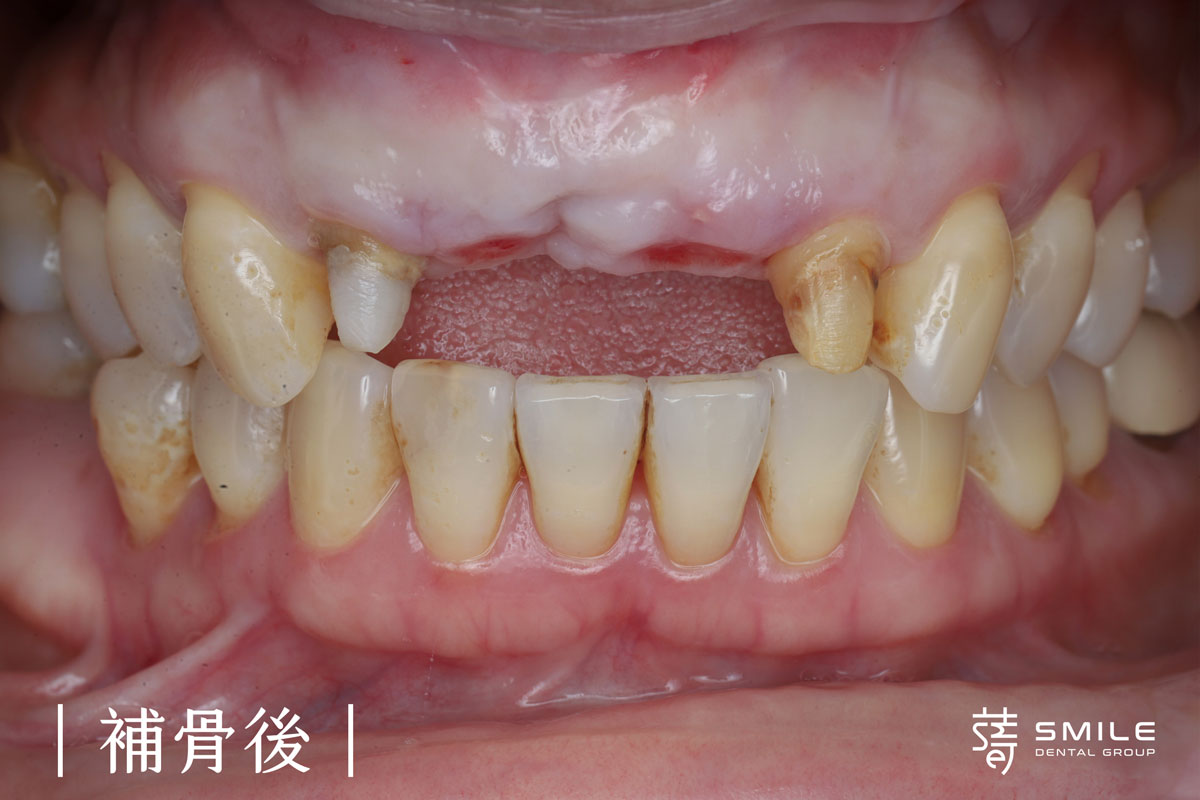
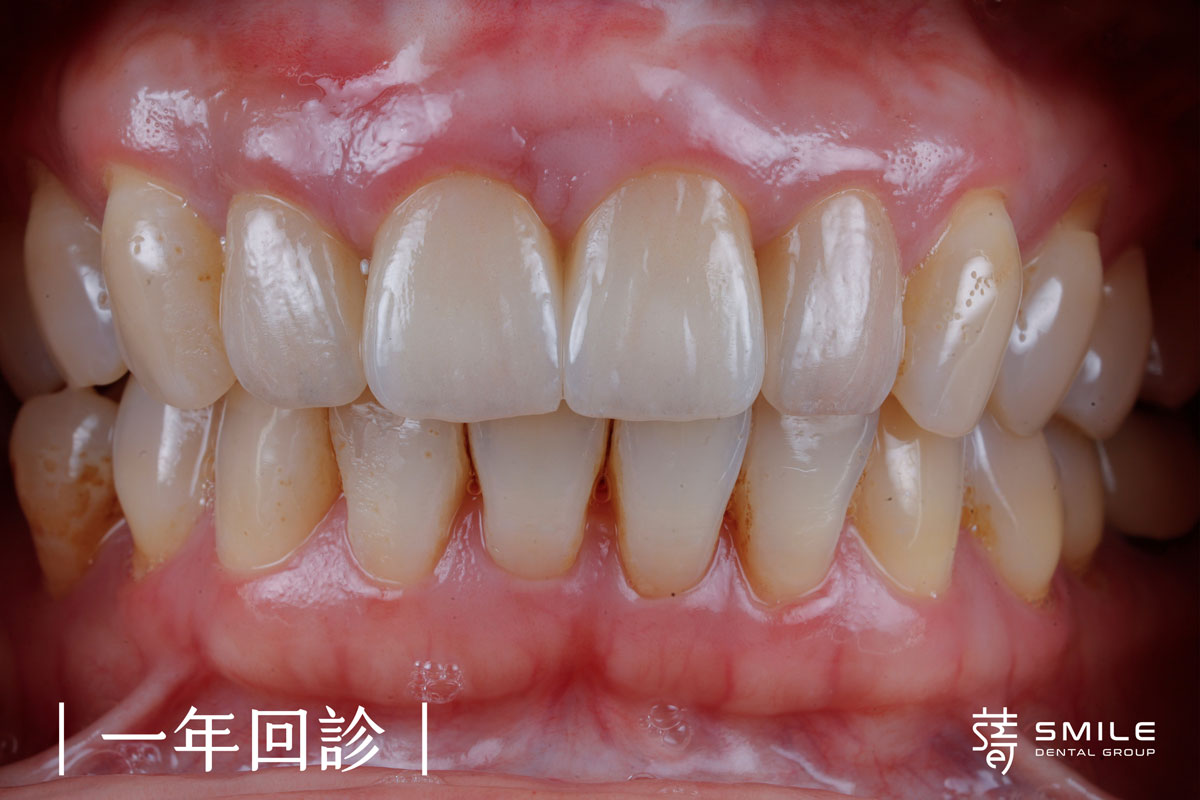
牙齦退縮往往不是立即出現,經常是幾年後才慢慢看到。
尤其在薄型牙齦、或牙齦支撐不足的狀況下,只要長期有輕微刺激(發炎或清潔死角),退縮就容易發生。
美觀區不是做完就結束,必須從那天開始,進入長期維護。
因此我在前牙區更在意的是:
「這顆植牙是否為牙齦長期穩定而設計?」
而非關注當下照片好不好看。
Gum recession rarely appears right away. More often, it becomes visible only years later.
In patients with thin tissue or limited soft-tissue support, even low-grade, ongoing irritation—whether from inflammation or hard-to-clean areas—can gradually lead to recession.
The aesthetic zone doesn’t end when treatment is finished. From that day on, it enters a phase of long-term maintenance.
That’s why, in anterior implants, my primary concern is not how the implant looks in a photograph today, but whether it has been designed for lasting gum stability over time.
📚 醫學研究怎麼看?(Evidence Box)
What Does the Evidence Show? (Evidence Box)
系統性回顧與臨床研究顯示,美觀區植體周圍的軟組織狀態(厚度、缺損、退縮)與長期美觀結果高度相關;軟組織問題常需要增厚或重建策略,並且與清潔可達性與長期發炎控制密切相關。
Systematic reviews and clinical studies show that the condition of peri-implant soft tissue in the aesthetic zone—its thickness, deficiencies, and degree of recession—is closely linked to long-term aesthetic outcomes. Soft-tissue complications often require thickening or reconstructive approaches and are strongly associated with cleanability and long-term control of inflammation.
TL × 數位反向設計:把「未來的牙齦線」先設計出來
TL × Digital Reverse Planning: Designing the Future Gingival Line First
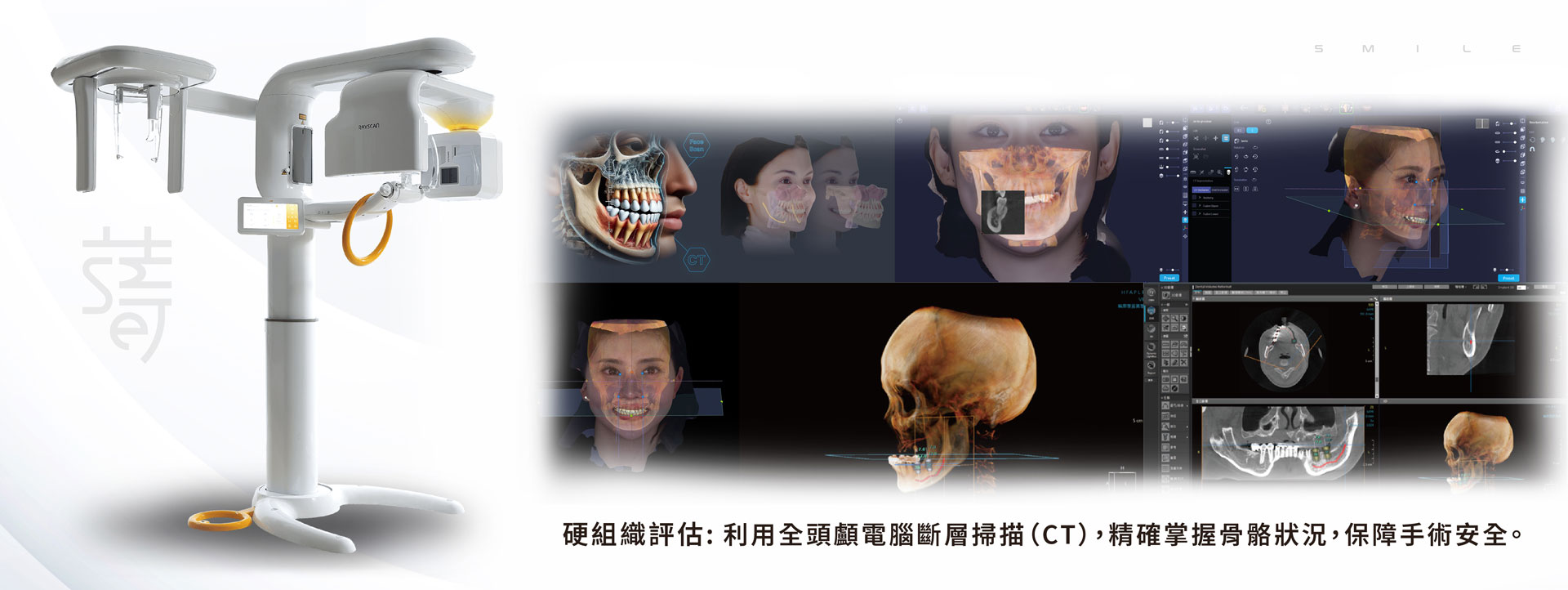
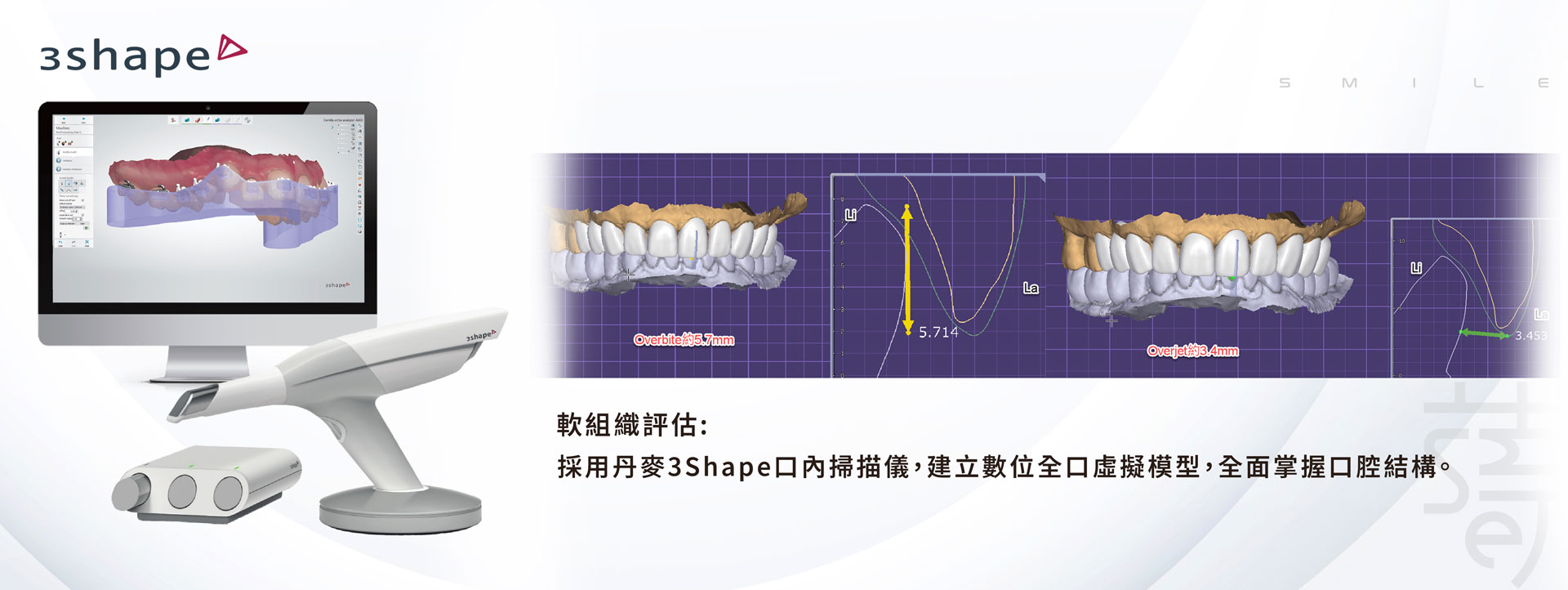
前牙區我常用一句話解釋差別:
舊時代是先放植體,再想假牙與牙齦該怎麼配合;
現代是先設計未來的假牙與牙齦線,再決定植體該放哪裡。
全數位規劃(CBCT+口掃+反向設計)讓我們可以:
. 先確定最終牙冠外型與切端位置
. 再回推植體深度、角度、與牙齦支撐輪廓
. 避免日後形成清潔死角或不利牙齦的形態
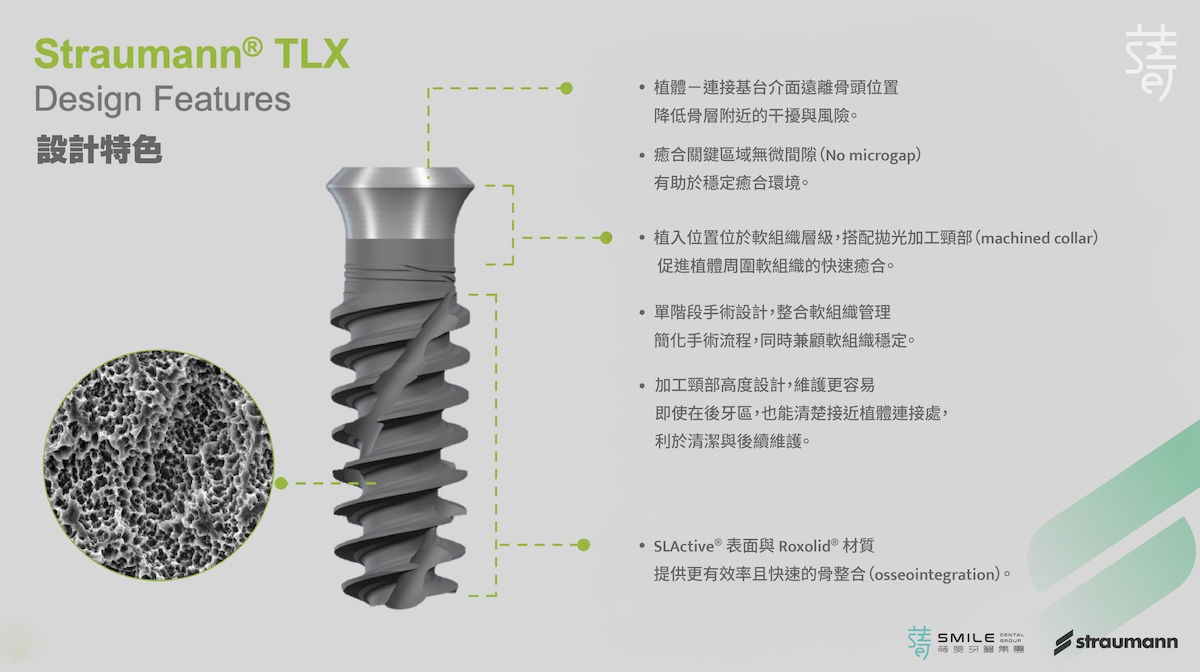
而 Tissue Level 的設計,則更有利於牙齦長期處在較穩定、可維護的界面環境。
將「TL × 數位反向設計」兩者結合起來,才有機會在時間拉長後,依舊維持自然的成果。
In the anterior zone, I often explain the difference this way:
the old approach placed the implant first, then tried to make the crown and gums adapt;
the modern approach designs the future crown and gingival line first—then decides where the implant should go.
With fully digital planning (CBCT, intraoral scanning, and reverse planning), we can:
. define the final crown shape and incisal edge position in advance
. work backward to determine implant depth, angulation, and soft-tissue support
. avoid future cleaning dead zones or tissue-compromising contours
Tissue-level design further supports this process by creating a more stable, maintainable interface for the gums over time.
Only by combining tissue-level implants with digital reverse planning do we have a real chance of preserving natural-looking results as the years go by.
Straumann TL|為多年後的牙齦線而設計
Straumann TL | Designed for the Gingival Line Years Down the Road
前牙美觀區的問題,往往要在時間拉長後才會真正現形。
市面上部分系統雖同樣標榜 Tissue Level,但其設計多半是從 Bone Level 延伸調整而來,結構與比例並未以牙齦環境作為主要出發點。長期使用下,牙齦穩定性仍高度仰賴醫師操作與患者清潔。
相較之下,Straumann TL 是歷經數十年臨床經驗逐步演化而成的設計,為牙齦的長期穩定所設計,更有利於在多年後仍維良好的穩定性與可維護性。
Problems in the anterior aesthetic zone often reveal themselves only over time.
Some systems on the market also present themselves as tissue-level designs, but many are adaptations of bone-level platforms. Their structure and proportions were not originally conceived with the gingival environment as the primary reference. As a result, long-term tissue stability often depends heavily on surgical execution and patient hygiene.
By contrast, Straumann TL is a design refined through decades of clinical experience, developed specifically with long-term gingival stability in mind—making it better suited to maintain stable, maintainable results years after treatment.