江政倫 醫師
金山蒔美總院長/板橋蒔美院長暨主治醫師/北大蒔美主治醫師/三重蒔美主治醫師/蒔美牙醫集團執行長
所有植牙系統都由零件組成,因此一定存在接合處。真正的差異不在於有沒有接縫,而在於:接縫在哪裡?離牙齦有多近?微縫隙(microgap)不可避免,位置才是關鍵在顯微尺度下,即使是精密連接也可能存在微小空間。很多患者會說:「我明明很認真刷牙,為什麼還是一直紅腫?」真正的問題,未必是患者清潔不夠仔細,許多時候,是結構本身在設計之初,就讓日後清潔變得困難。
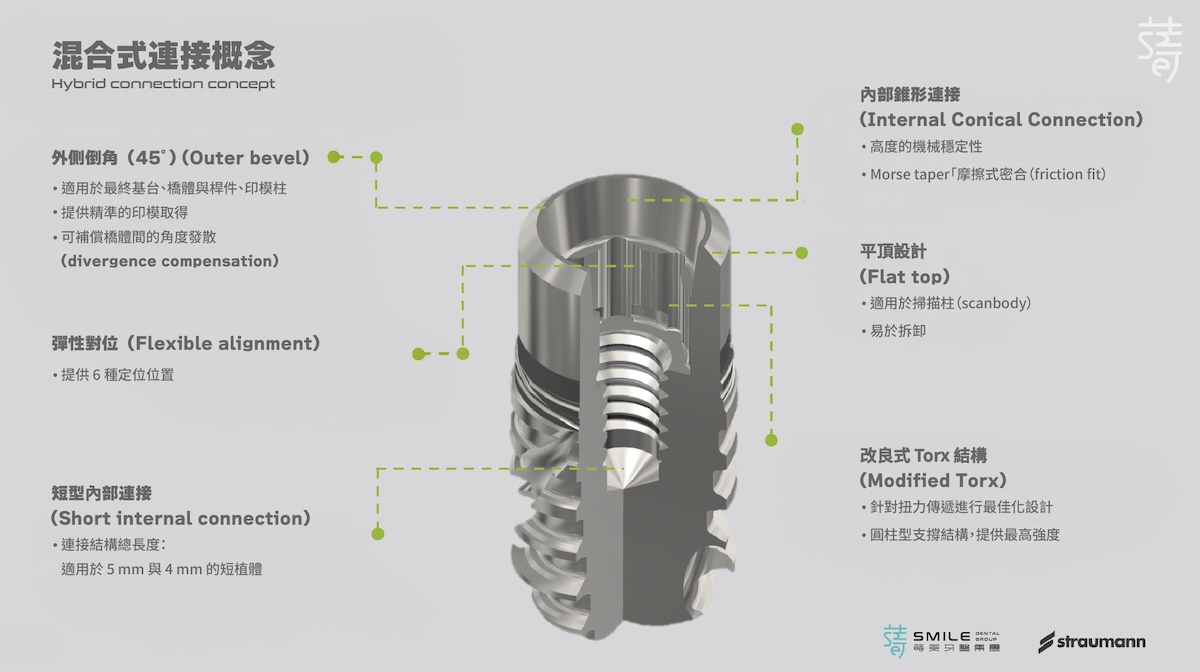
所有植牙系統都由零件組成,因此一定存在接合處。
真正的差異不在於有沒有接縫,而在於:接縫在哪裡?離牙齦有多近?
微縫隙(microgap)不可避免,位置才是關鍵
在顯微尺度下,即使是精密連接也可能存在微小空間。當接縫位於牙齦下方時,會產生三個常見風險:
1. 細菌與沉積更容易累積:因為位置深、清潔器具難以到位
2. 軟組織長期被刺激:慢性發炎更容易形成
3. 維護成本上升:需要更頻繁的專業維護或治療
很多患者會說:「我明明很認真刷牙,為什麼還是一直紅腫?」真正的問題,未必是患者清潔不夠仔細,許多時候,是結構本身在設計之初,就讓日後清潔變得困難。
All implant systems are made of components, which means a junction is inevitable.
The real difference isn’t whether a junction exists, but where it is—and how close it lies to the gums. Microgaps are unavoidable; location is what matters.
At a microscopic level, even precision connections can leave tiny spaces. When the junction sits below the gum line, three common risks emerge:
1. Greater bacterial accumulation: the deeper position makes effective cleaning difficult
2. Chronic soft-tissue irritation: increasing the likelihood of persistent inflammation
3. Higher maintenance demands: requiring more frequent professional care or intervention
Many patients tell me, “I brush carefully—why are my gums still inflamed?”
Often, the issue isn’t inadequate hygiene. It’s that the structure itself was designed in a way that makes long-term cleaning inherently difficult.
📚 醫學研究怎麼看?(Evidence Box)
What Does the Evidence Show? (Evidence Box)
研究提出,植體周圍炎不一定只是單純感染,也可能與外來物反應、微縫隙(microgap)、以及界面位置所誘發的免疫反應相關。當結構界面越靠近牙齦下方,慢性刺激與發炎反應的風險越需要被重視。
Research suggests that peri-implantitis is not always the result of infection alone. It may also involve foreign body reactions, microgaps, and immune responses triggered by the location of the implant interface. When the structural junction lies closer to or beneath the gum line, the risks of chronic irritation and inflammatory response become increasingly significant.
Tissue Level 的邏輯:把結構轉換點外移,讓牙齦待在更穩定的環境
The Tissue-Level Logic: Shifting the Structural Junction Outward to Keep the Gums in a More Stable Environment
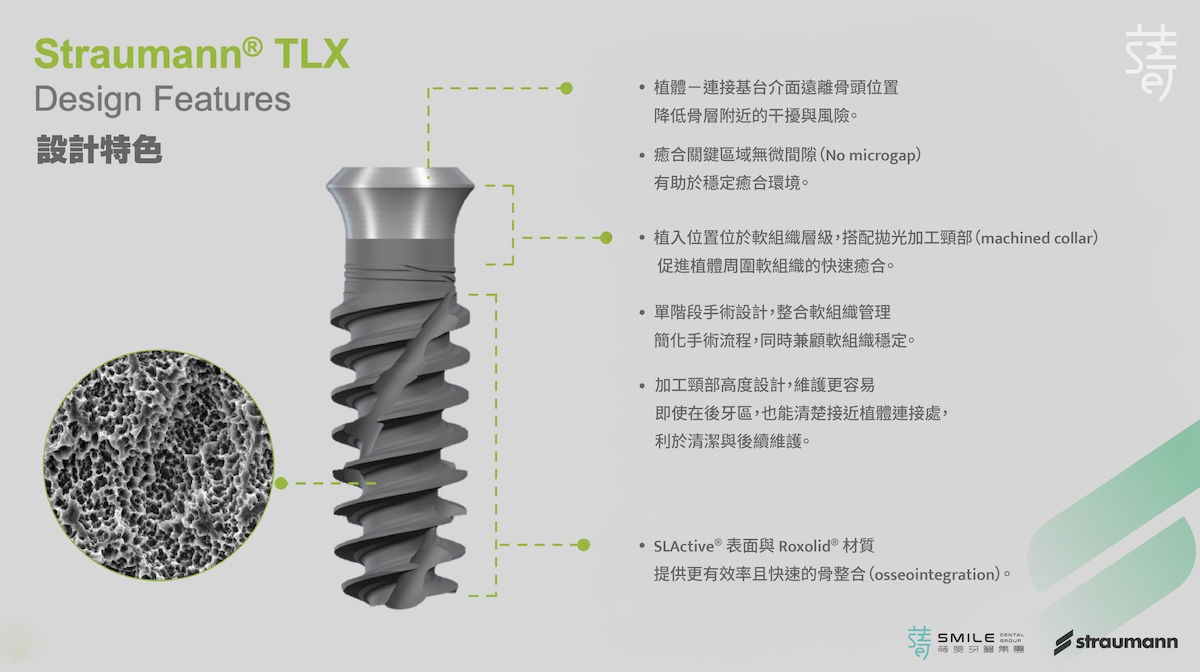
Tissue Level 的設計,使得主要結構轉換點更靠近牙齦邊緣甚至在其上方。
這樣的安排,並非為了彰顯技術上的表現,而是一種更符合生物反應的策略:讓潛在刺激源遠離最敏感的牙齦下方區域。
但同樣要強調:TL 若放得太深,優勢會被抵銷。如果 TL 植體放置過深、或角度造成清潔困難,牙齦仍可能反覆發炎。
因此「TL × 全數位規劃」是必須的,重點在於:
在手術前用數位規劃去控制深度、角度、清潔空間,把 TL 的生物學優勢真正落實。
Tissue-level design positions the primary structural junction closer to the gum margin—or even above it.
This is not about showcasing technical sophistication, but about respecting biology: keeping potential sources of irritation away from the most vulnerable subgingival tissues.
That said, placement still matters. If a tissue-level implant is placed too deep, or at an angle that compromises cleaning, its advantages can be lost and inflammation may persist.
That’s why tissue-level design must go hand in hand with fully digital planning—using preoperative digital tools to control depth, angulation, and cleaning space, and to translate biological intent into long-term clinical reality.
Straumann TL系統:讓 Tissue Level 成為核心理念,而非附加選項
The Straumann TL System: Making Tissue Level a Core Philosophy—Not an Add-On
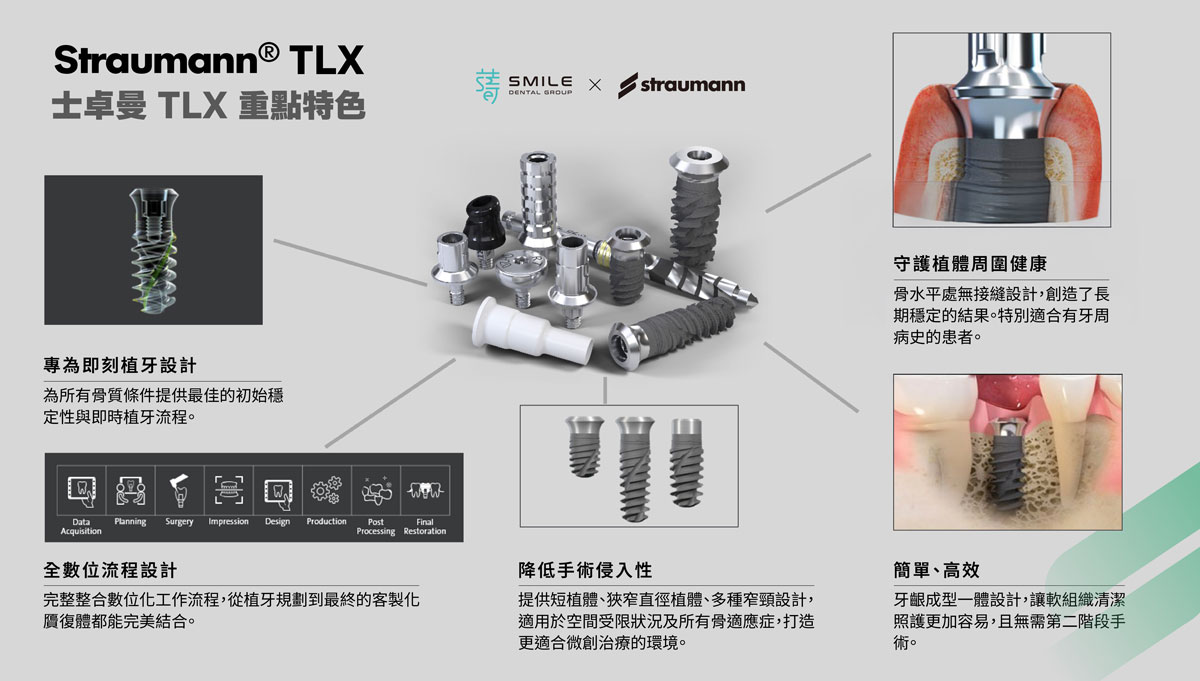
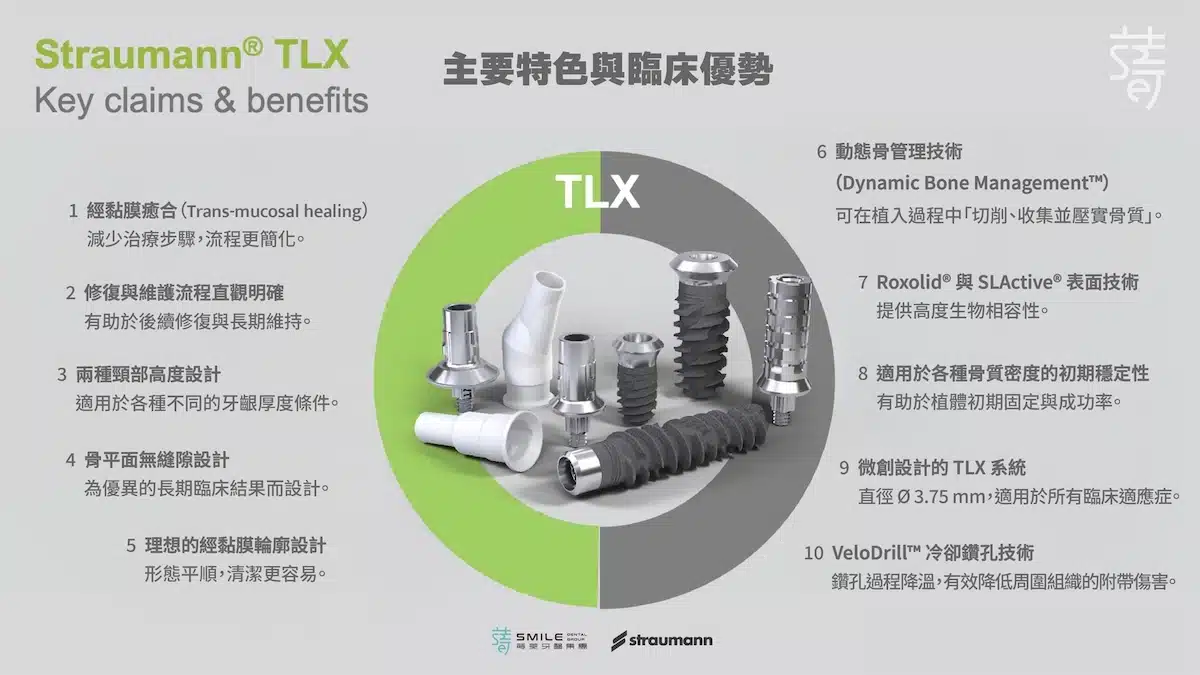
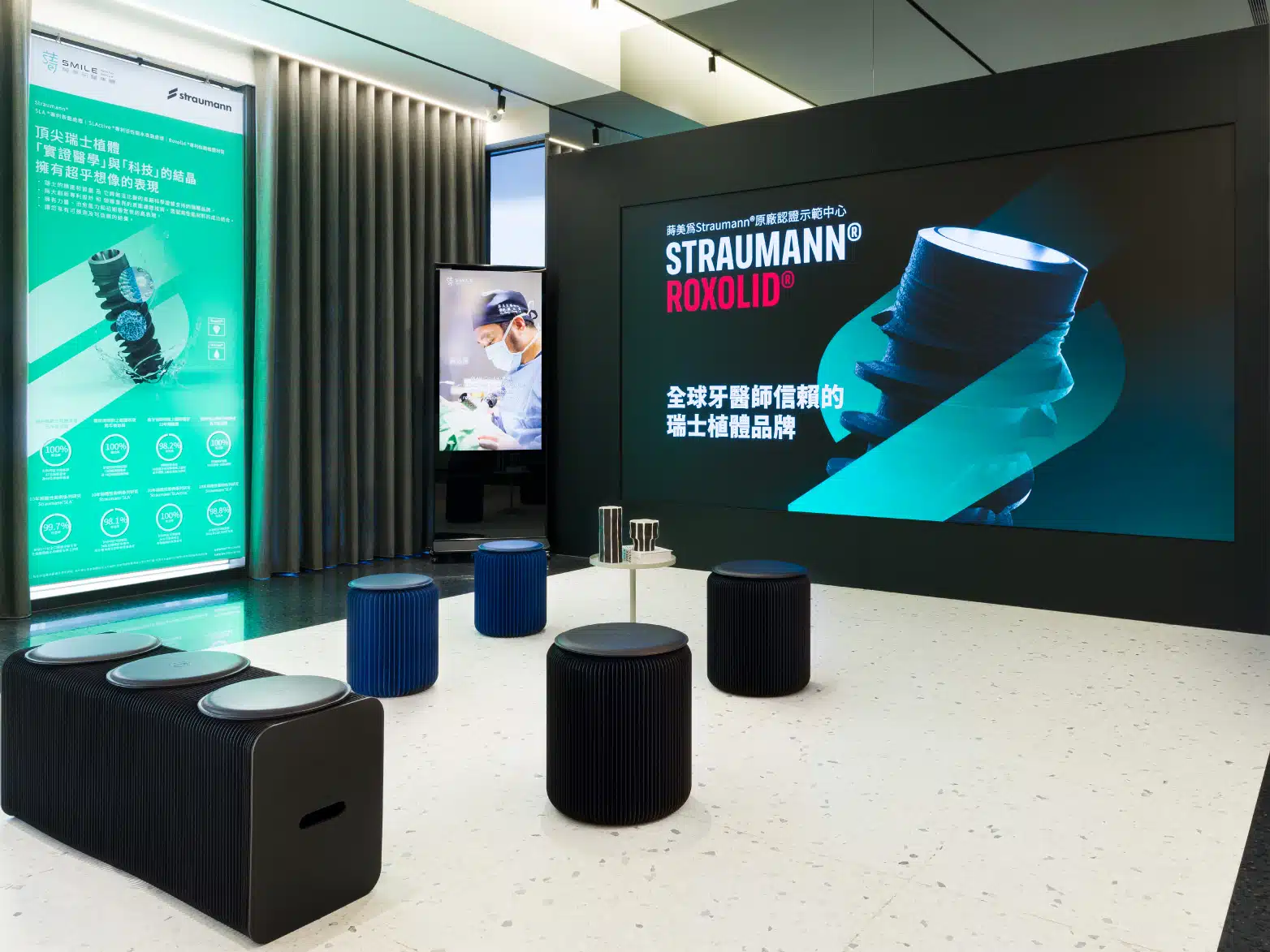
Straumann 是少數真正以 TL 作為核心邏輯發展的植體系統。從結構設計、材料選擇、表面處理到長期追蹤研究,每一個關鍵環節皆圍繞同一套設計思維展開,而非各自獨立存在。
也因此,Straumann TLX 與 TLC 得以在同一套設計邏輯下,形塑出一個可被長期驗證、具高度一致性的 Tissue Level 系統。
Straumann is one of the few implant systems developed with tissue level as its core logic. From structural design and material selection to surface treatment and long-term clinical research, every key element is built around a single, coherent philosophy—not assembled as isolated features.
As a result, systems such as TLX and TLC operate within the same design framework, forming a tissue-level platform that is internally consistent and validated over time.