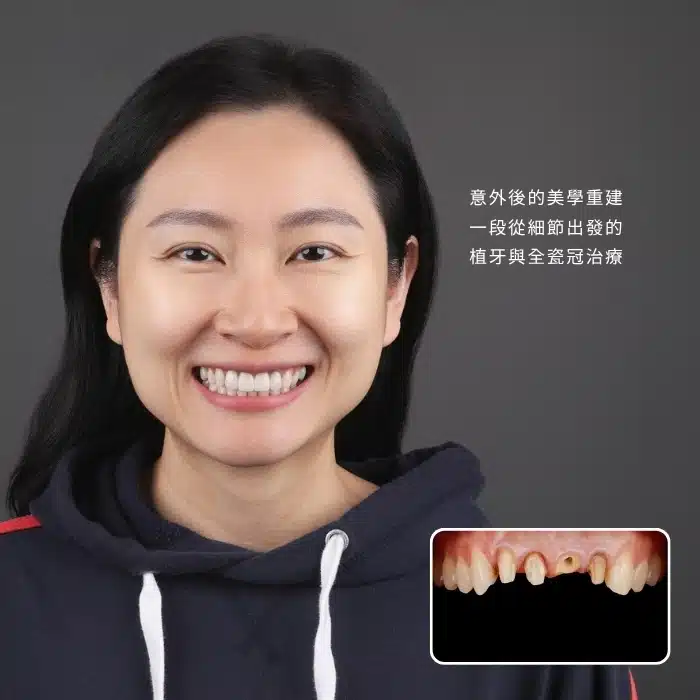
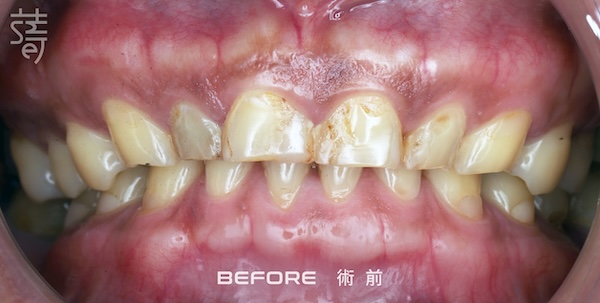
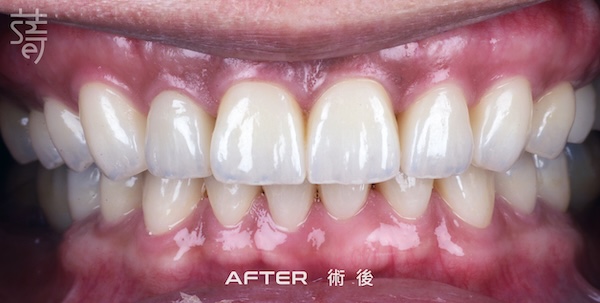
許多人以為缺牙只是「少了一顆牙」,磨牙只是「牙齒變短」,只要補個洞、戴個咬合板就好。然而,在專業牙醫師眼裡,口腔是一個動態的力學系統。當一顆牙齒缺失或過度磨耗,整體的咬合地圖就會開始位移、崩塌。
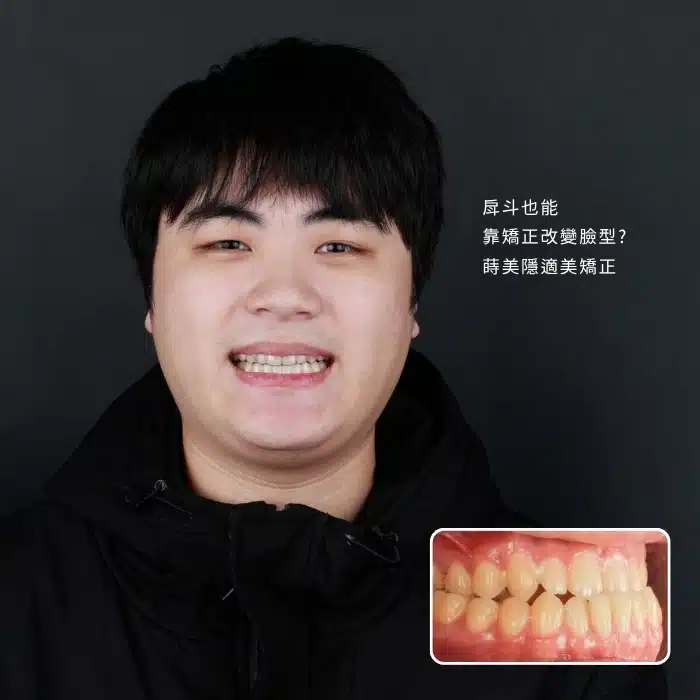
這場計畫從數位藍圖展開:先透過 隱適美 (Invisalign) 隱形矯正 進行空間管理,將歪斜的齒列引導至理想位置,為後續工程清空障礙;接著,在最精確的受力點上,植入全球領先的 瑞士 Straumann (士卓曼) 植體,紮下穩固的根基。
這不是單純的牙科手術,而是在崩塌的地基上,運用數位科技與頂級材質,重新構築一套能支撐數十年的健康系統。從起點,我們就已經看見了完美的終點。
Many believe that a missing tooth is just "one less tooth" or that teeth grinding is simply "teeth getting shorter," which can be fixed with a simple filling or an occlusal splint. However, in the eyes of a professional dentist, the oral cavity is a dynamic mechanical system. When a single tooth is missing or excessively worn, the entire occlusal map begins to shift and collapse.
This transformation plan begins with a digital blueprint: first, using Invisalign (clear aligners) for space management, guiding tilted teeth to their ideal positions and clearing obstacles for subsequent work. Next, at the most precise load-bearing points, the world-leading Swiss Straumann implants are placed to lay a solid foundation.
This is not just dental surgery; it is the reconstruction of a healthy system designed to last decades upon a collapsed foundation, utilizing digital technology and premium materials. From the starting line, we have already envisioned the perfect finish.
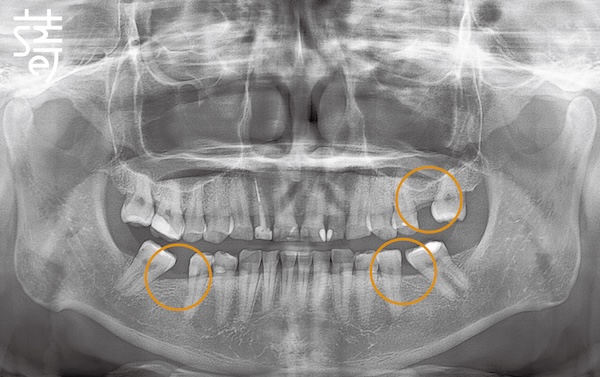
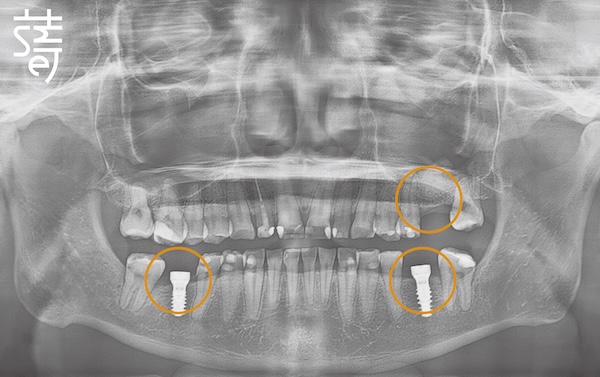
為什麼要「先矯正、後植牙」?
Why "Orthodontics First, Implants Second"?
如果您在牙齒傾倒、空間不足的情況下強行植牙,就像是在歪斜的基座上強蓋大樓。整合治療的邏輯在於:先用矯正「劃定疆界」,再用植牙「定錨支撐」。
Forcing an implant into a space where teeth are tilted or space is insufficient is like building a skyscraper on a crooked base. The logic of Integrated Treatment is: use orthodontics to "define the boundaries," then use implants to "anchor the support."
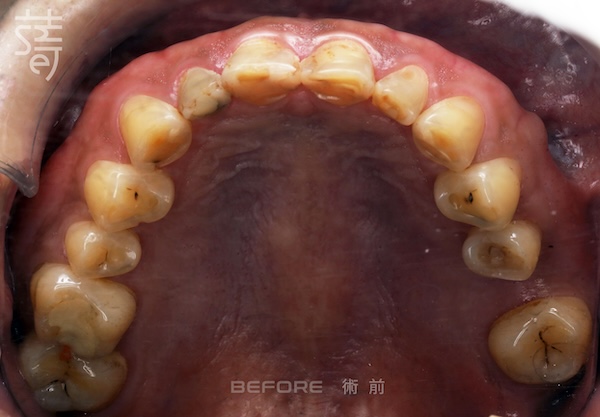
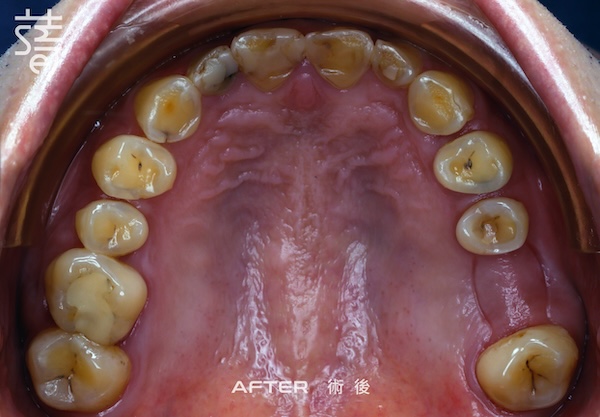
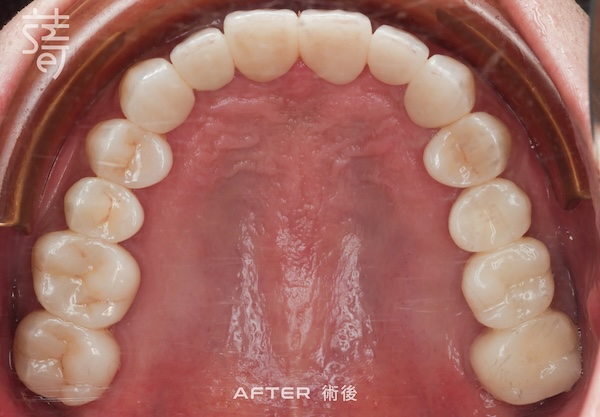
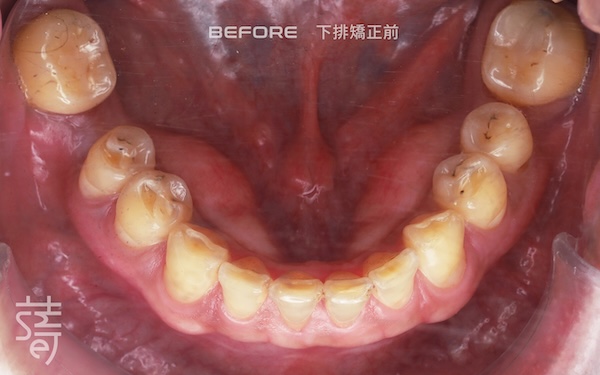
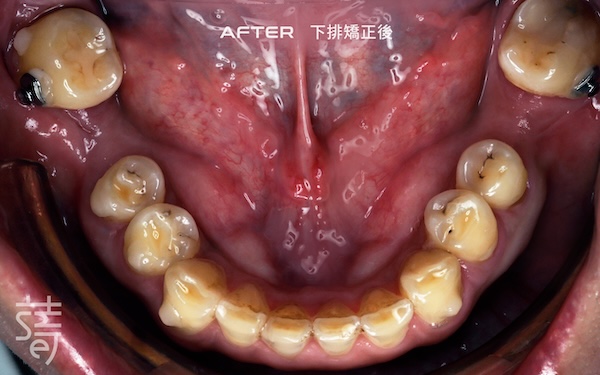
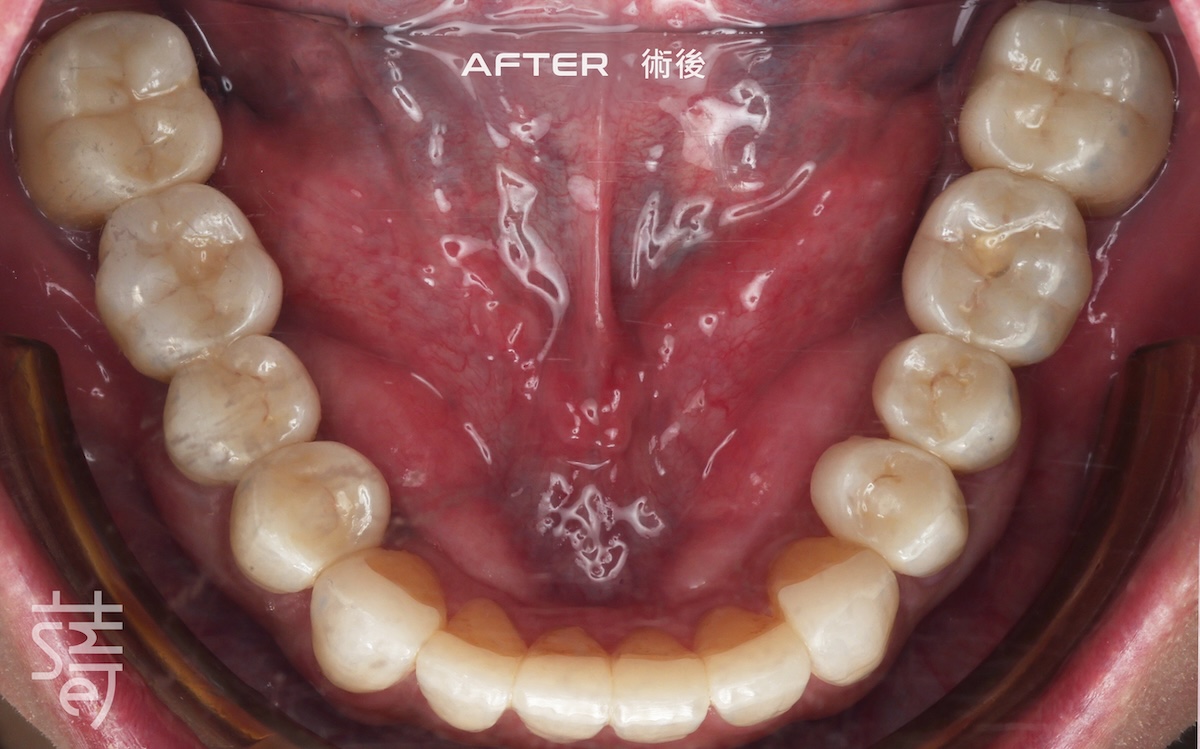
隱適美空間規劃:優化地基結構與咬合垂直高度
I. Invisalign Space Planning: Optimizing Foundation Structure and Vertical Dimension
在複雜的口腔重建中,隱適美 (Invisalign) 的角色不只是改善美觀,更是一場精密的「空間管理工程」。當牙齒因為長期缺牙或過度磨耗而移位時,我們必須先透過數位引導恢復正確的齒列秩序,才能確保後續植牙的穩定。
In complex oral reconstructions, Invisalign’s role extends beyond aesthetics—it is a precise "space management engineering" project. When teeth shift due to long-term loss or wear, we must restore order through digital guidance to ensure the stability of future implants.
1. 引導傾倒鄰牙回位,重建牙周健康環境
Guiding Tilted Neighbors Back to Position
當缺牙時間過久,兩側鄰牙常會往空隙處傾斜,不僅造成植牙空間不足,更會產生難以清潔的牙周死角。
When a tooth is missing for too long, adjacent teeth often tilt into the gap, creating insufficient space for implants and "dead zones" for periodontal cleaning.
• 技術應用:透過隱適美精準的力學推擠,能將傾斜的鄰牙導正回垂直的生物力學軸線上。
Technical Application: Invisalign’s precise mechanics upright tilted teeth back onto their vertical biomechanical axes.
• 臨床意義:這不僅為植牙騰出理想空間,更能改善牙齦曲線,預防未來植牙後因鄰牙歪斜而產生的食物嵌塞與牙周風險。
Clinical Significance: This creates ideal space for the implant and improves the gingival contour, preventing food impaction and periodontal risks.
2. 透過數位模擬,精確定位 Straumann 植體的受力點
igital Simulation for Precise Straumann Implant Positioning
植牙的成敗不在於種進去,而在於種在「對的位置」。
The success of an implant lies not in the placement itself, but in being in the "right position."
• 技術應用:在矯正規劃階段,醫師便會結合 iTero 數位口掃與 3D 影像,預先在模擬圖中標定出 Straumann 植體最適合的植入角度與座標。
Technical Application: Combining iTero digital scans with 3D imaging, we pre-calculate the optimal angle and coordinates for the Straumann implant during the orthodontic phase.
• 臨床意義:這種「以終為始」的規劃,能確保植體受力均勻,避開神經血管,並讓最後安裝的假牙擁有最自然的原生比例與清潔空間。
Clinical Significance: This "Prosthetically Driven" approach ensures even force distribution, avoids neurovascular structures, and allows the final prosthesis to have natural proportions.
3. 調整咬合高度,恢復口腔的垂直空間
Restoring Vertical Dimension (Bite Height)
對於長期磨牙導致牙齒短小、深咬(咬合過深)的患者,口腔內往往缺乏安裝假牙的垂直高度。
For patients with severely worn teeth or a "deep bite," there is often a lack of vertical space to accommodate a crown.
• 技術應用:隱適美能有效調整上下牙齒的重疊關係,重新分配咬合高度。
Technical Application: Invisalign effectively adjusts the overlap between upper and lower teeth to redistribute bite height.
• 臨床意義:透過矯正找回消失的垂直空間,不僅能解放被過度擠壓的顳顎關節,更能為後續的重建工程騰出足夠的厚度與支撐力,防止新牙再次因空間壓迫而損壞。
Clinical Significance: Finding the "lost" vertical space relieves pressure on the TMJ and provides enough clearance for restorative materials to prevent future breakage.

Straumann 瑞士工藝:在微米之間,重建穩固的咬合基石
II. Straumann Swiss Craftsmanship: Rebuilding a Rock-Solid Occlusal Foundation at the Micron Level
當隱適美矯正將齒列重新排列、分配出正確的植牙空間後,接下來的關鍵在於:如何在這片重新定位的地基上,建立足以支撐長久咬合的結構?
Once Invisalign has realigned the dentition and allocated the correct spacing for implants, the next critical question arises: how do we build a structure on this repositioned foundation that can support long-term occlusal forces?
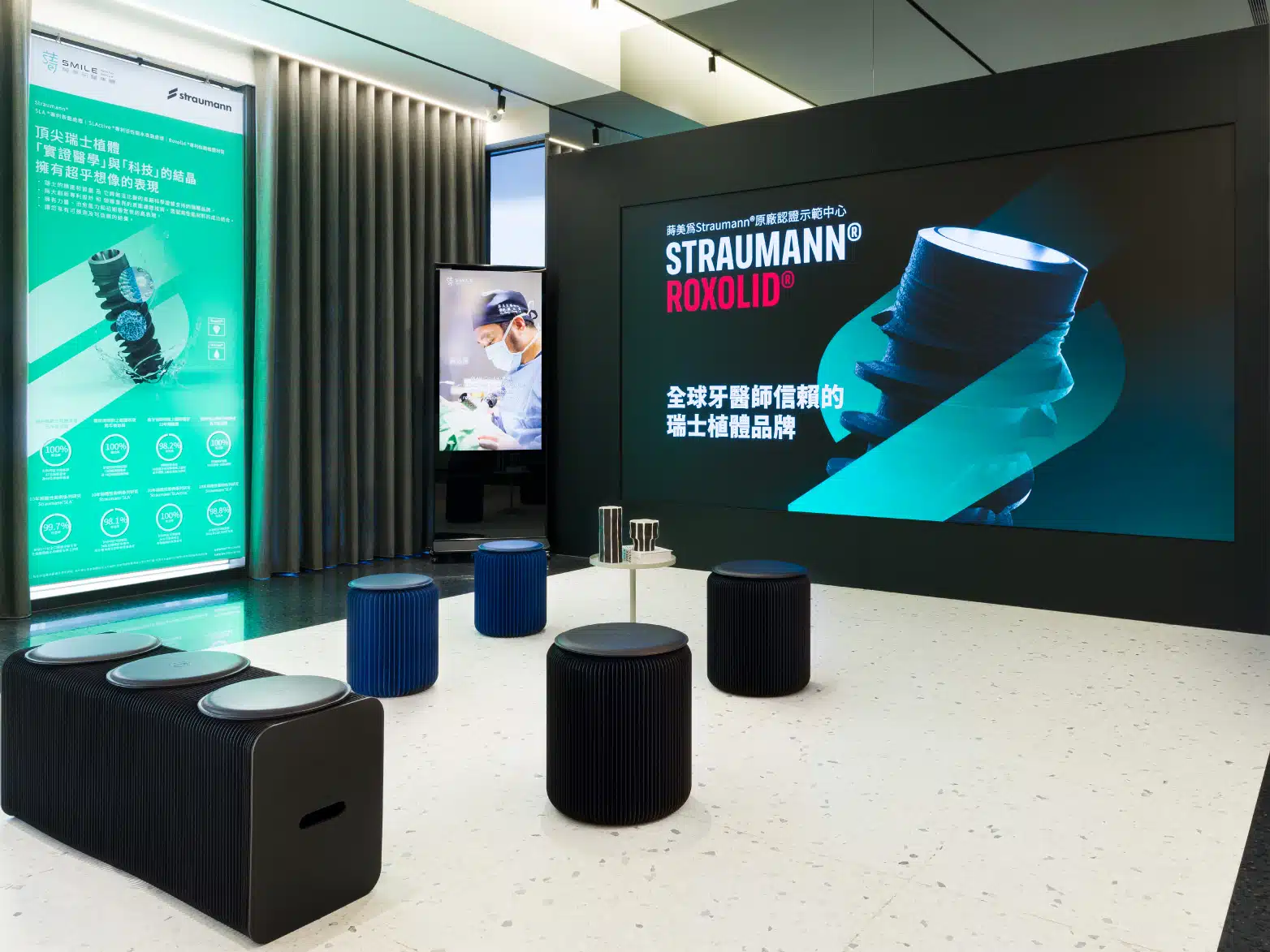
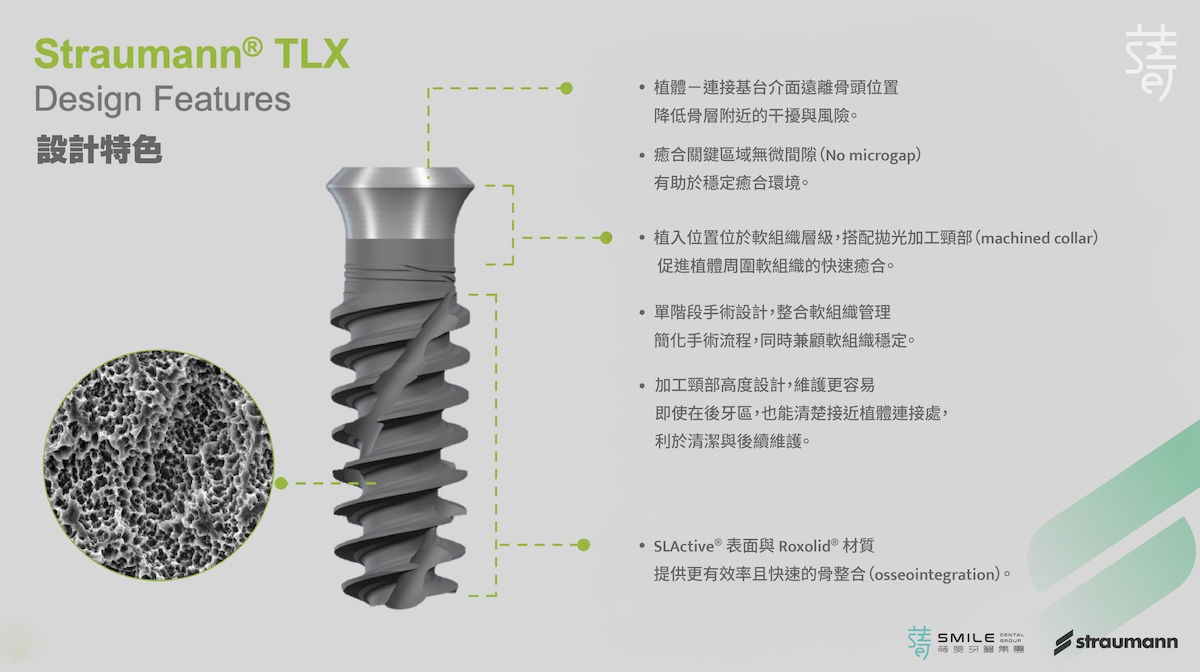
在複雜的全口重建中,選用 Straumann (士卓曼) 植牙系統 是基於其對生物力學與材料學的嚴苛要求。這不只是品牌選擇,而是為了滿足「以終為始」藍圖中的穩定性需求。
In complex full-mouth reconstructions, our choice of the Straumann Implant System is based on its rigorous standards for biomechanics and material science. This is more than just a brand preference; it is a strategic decision to satisfy the stability requirements of our "Prosthetically Driven" (Beginning with the End in Mind) blueprint.
1. Roxolid® 鈦鋯合金:在有限空間內,實現高強度的支撐
Roxolid® Titanium-Zirconium Alloy: High-Strength Support in Limited Spaces
傳統純鈦植體若要承受強大咬合力,往往需要較大的直徑,這對於長期缺牙導致骨質萎縮、或是矯正後可用空間有限的患者來說,常需要額外進行侵入性較高的補骨手術。
Traditional pure titanium implants often require a larger diameter to withstand strong biting forces. For patients with bone atrophy due to long-term tooth loss or limited space after orthodontics, this usually necessitates invasive bone grafting surgery.
• 技術優勢:Straumann 專利的 Roxolid® 鈦鋯合金,物理強度比傳統純鈦高出約 40%。
Technical Advantage: Straumann’s patented Roxolid® alloy provides approximately 40% higher fatigue strength than conventional pure titanium.
• 臨床意義:醫師能選用直徑較小的植體,卻保有卓越的抗壓性。這意味著我們能減少對骨移植手術的依賴,在保留更多原生骨組織的同時,確保植體在有限空間內依然擁有極高的負重能力。
Clinical Significance: This allows clinicians to select smaller-diameter implants while maintaining exceptional pressure resistance. Consequently, we can reduce reliance on bone grafts, preserve more native bone tissue, and ensure high load-bearing capacity even within confined spaces.
2. SLActive® 親水性表面處理:優化骨整合,縮短治療週期
SLActive® Hydrophilic Surface Treatment: Optimizing Osseointegration and Shortening Treatment Cycles
植牙的成功關鍵在於植體與骨頭的結合速度(骨整合),這直接影響了治療的總時程。
The success of an implant hinges on the speed of osseointegration (the bond between implant and bone), which directly dictates the total treatment timeline.
• 技術優勢:SLActive® 表面處理 具備高度親水性,能迅速吸引血液纖維蛋白附著,啟動骨細胞的生長機制。
Technical Advantage: The SLActive® surface is highly hydrophilic, rapidly attracting blood fibrin to trigger bone cell growth mechanisms.
• 臨床意義:不同於傳統植體需要長達 3 到 6 個月的癒合觀察期,SLActive® 能將骨整合的關鍵期縮短至 3-4 週。對於同步進行隱適美矯正的患者,這能有效銜接各階段的治療進度,讓口腔功能更早回歸穩定狀態。
Clinical Significance: Unlike traditional implants that require a 3-to-6-month healing period, SLActive® can shorten the critical osseointegration window to just 3–4 weeks. For patients undergoing concurrent Invisalign treatment, this ensures a seamless transition between clinical phases, returning the mouth to a stable, functional state much sooner.
3. 卓越的生物相容性:維持齒列穩定,防止再次位移
Superior Biocompatibility: Maintaining Dental Stability and Preventing Relapse
全口重建的最終目標是長期的穩定。
The ultimate goal of full-mouth reconstruction is long-term, enduring stability.
• 技術優勢:Straumann 植體經過長達數十年的臨床追蹤,具備極佳的生物相容性,能與周圍牙齦組織形成緊密的封閉保護(Biological Seal)。
Technical Advantage: Supported by decades of clinical tracking, Straumann implants exhibit excellent biocompatibility, forming a tight "Biological Seal" with the surrounding gingival tissues.
• 臨床意義:這種穩定的支撐能充當齒列中的「定錨點」,防止矯正排齊後的牙齒因為缺乏後方咬合支持而再次發生位移。這不僅保護了植體本身,更是確保整體重建藍圖能維持在原生、健康狀態的關鍵。
Clinical Significance: This stable support acts as a definitive "anchor point" within the dental arch. It prevents teeth—newly aligned by orthodontics—from shifting due to a lack of posterior occlusal support. This not only protects the implant itself but is key to ensuring the entire reconstruction blueprint remains in a pristine, healthy state for years to come.
全口美學重建:以數位導航回歸原生咬合機能
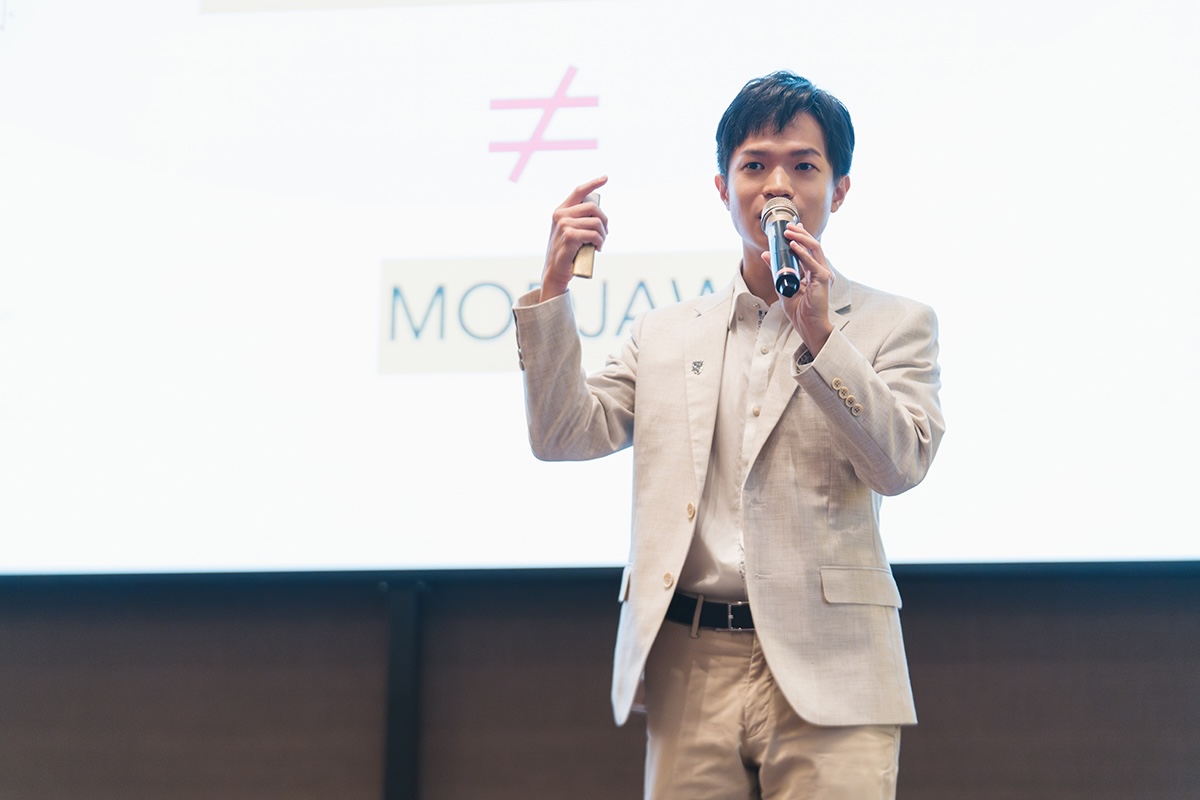
在治療的最終階段,美感的呈現並非獨立存在,而是建立在精確的功能基礎之上。我們透過 DSD (Digital Smile Design) 數位微笑設計 與 Modjaw 動態咬合分析,將植牙後的咬合與外觀進行深度整合,讓重建後的笑容與個人特質自然契合。
In the final stage of treatment, aesthetics do not exist in isolation; they are built upon a foundation of precise function. Through DSD (Digital Smile Design) and Modjaw Dynamic Occlusal Analysis, we deeply integrate the post-implant bite with the patient’s appearance, ensuring the reconstructed smile aligns naturally with their individual personality.
1. Modjaw 動態咬合分析:建立個人化的運動地圖
Modjaw Dynamic Occlusal Analysis: Creating a Personalized Movement Map
傳統的假牙製作多參考靜態模型,卻忽略了每個人咀嚼、說話時特有的下顎運動習慣。
Traditional prosthetic fabrication relies heavily on static models, often overlooking the unique mandibular (jaw) movement patterns each person has when chewing or speaking.
• 技術應用:透過法國 Modjaw 數位系統,精確記錄患者說話與進食時的真實運動軌跡。
Technical Application: Utilizing the French Modjaw digital system, we precisely record the patient’s actual movement trajectories during speech and mastication.
• 臨床意義:這能確保安裝在 Straumann 植體上的全瓷冠,其形狀與溝槽設計完全符合您的肌肉運動路徑。當假牙與原生的運動模式吻合,不僅能減少適應期,更能降低植體因不正當受力而產生的疲勞與損壞風險。
Clinical Significance: This ensures that the all-ceramic crowns placed on the Straumann implants feature shapes and groove designs that perfectly match your muscular movement paths. When the prosthesis harmonizes with native movement patterns, it not only shortens the adaptation period but also minimizes the risk of implant fatigue or damage caused by improper force distribution.
2. 8 微米的咬合校對:維持生理機能與系統的長效穩定
8-Micron Occlusal Calibration: Maintaining Long-term Physiological Stability
全口重建的長期成功,取決於極細微的受力平衡。
The long-term success of a full-mouth reconstruction hinges on an incredibly fine balance of forces.
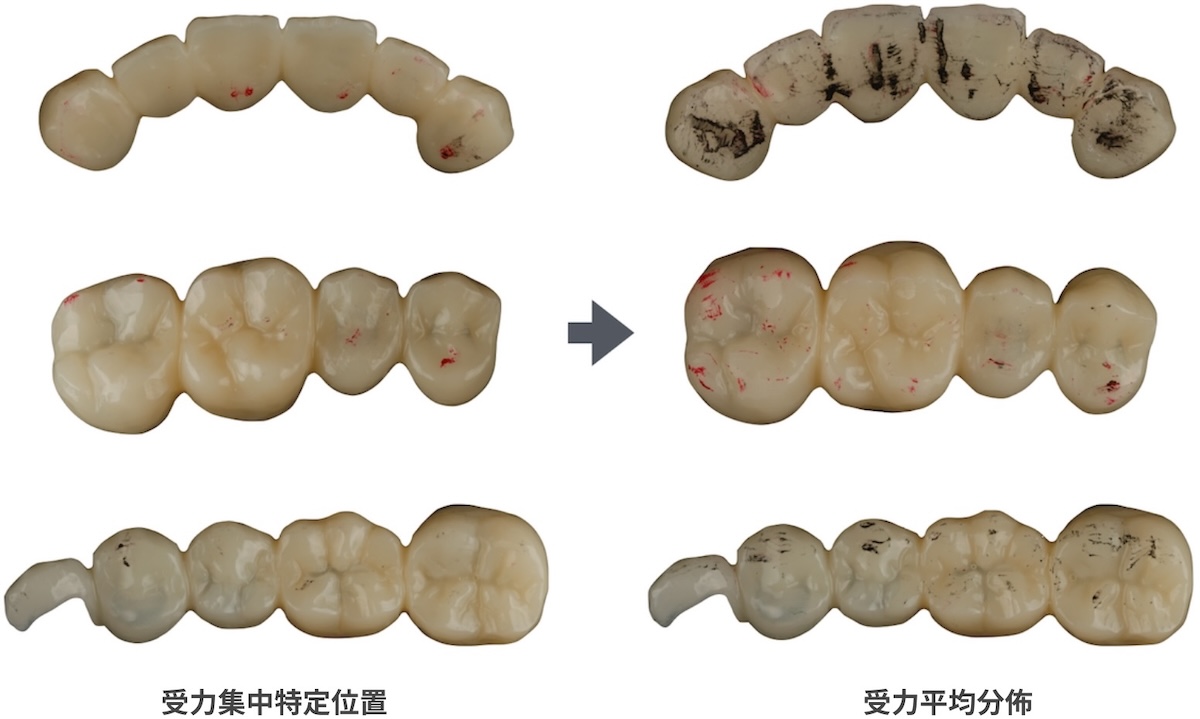
• 技術應用:遵循華盛頓大學的全口重建理念,我們使用僅 8 微米(8μm) 厚度的精密咬合測試纸進行校對。
Technical Application: Adhering to the full-mouth reconstruction philosophy of the University of Washington, we use precision articulating paper with a thickness of only 8 microns (8μm) for final calibration.
• 臨床意義:這種微米級的細微調整,是為了確保咬合壓力能均勻分佈在每一顆牙齒與植體上。精確的受力平衡不僅能預防顳顎關節與臉部肌肉的負擔,更能保護植體系統的長久健康,讓您的笑容在美感之外,擁有支撐數十年的穩定基礎。
Clinical Significance: This micron-level adjustment ensures that occlusal pressure is distributed evenly across every single tooth and implant. Precise force balancing prevents undue strain on the temporomandibular joints (TMJ) and facial muscles, while safeguarding the long-term health of the implant system. Beyond mere aesthetics, this gives your smile a stable foundation designed to last for decades.
結語:以終為始,找回笑容的健康初衷
Conclusion: Beginning with the End in Mind—Rediscovering the Healthy Original Intent of Your Smile

全口重建的長期成功,取決於治療起點那份縝密的「數位藍圖」。透過隱適美矯正對齒列空間的重新梳理,搭配瑞士 Straumann 植牙系統的穩定支撐,我們不僅修復了表象的缺損,更是在生理層面上重新建立了一個和諧、穩固且符合生物力學的咬合系統。
The long-term success of full-mouth reconstruction depends entirely on the meticulous "Digital Blueprint" established at the very beginning of treatment. By reorganizing dental space through Invisalign and anchoring the structure with the stable support of the Swiss Straumann System, we do more than just repair visible defects. We re-establish a harmonious, stable, and biomechanically sound occlusal system on a physiological level.
面對複雜的缺牙與磨耗困擾,與其採取零星、單點的補強,不如啟動一場「以終為始」的整體治療計畫。這不僅是為了美感,更是為了讓您的口腔機能回歸到最健康、最自然,那份原本就很好的樣子。
When faced with complex challenges like missing teeth or severe wear, rather than opting for fragmented, "patchwork" repairs, it is far better to initiate a holistic treatment plan that "begins with the end in mind." This journey is not only about aesthetics; it is about returning your oral function to its healthiest, most natural state—the way it was always meant to be.