不少民眾做了植牙、假牙或全瓷貼片後,檢查時各項指標看似正常,卻仍覺得咬合不佳、吃東西怪怪的,甚至使用數年後便出現不明原因的假牙耗損,究竟是什麼原因呢?
蒔美牙醫師指出,這些問題未必源自材料本身,而可能是因為進行植牙前為評估下顎的「動態咬合」所導致。
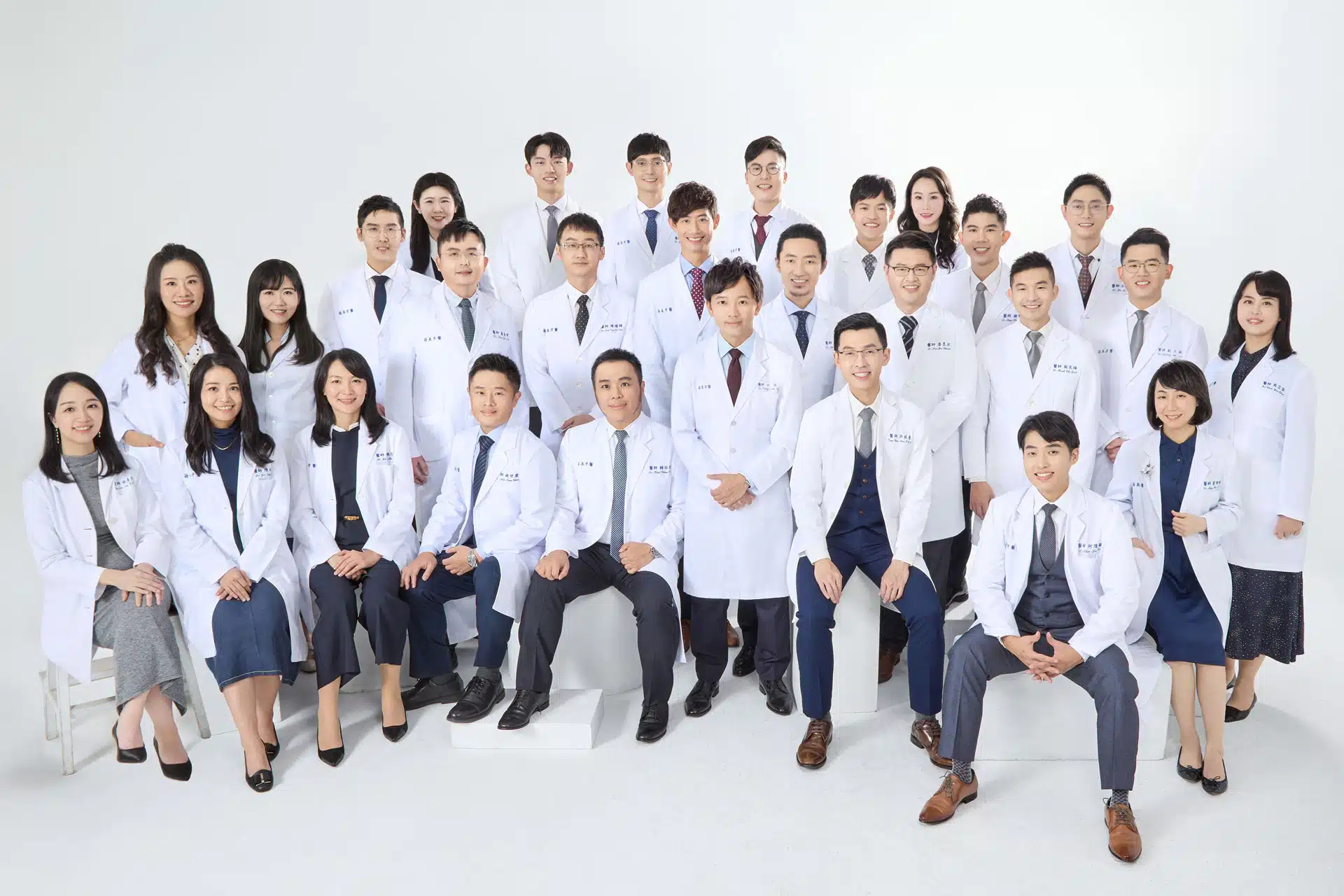
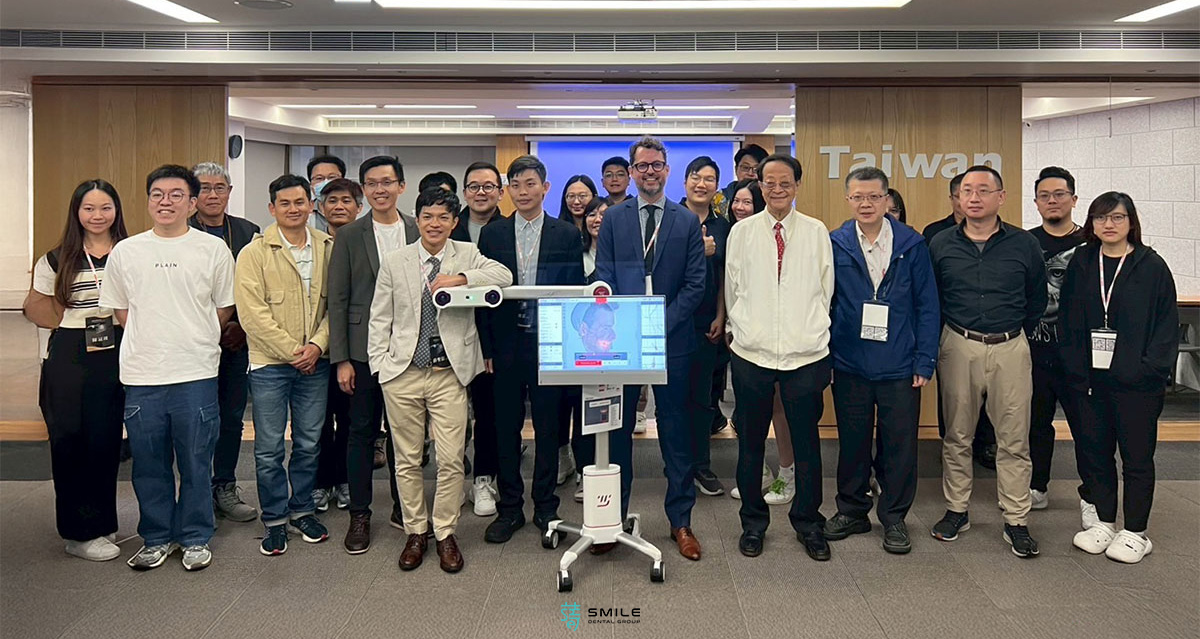
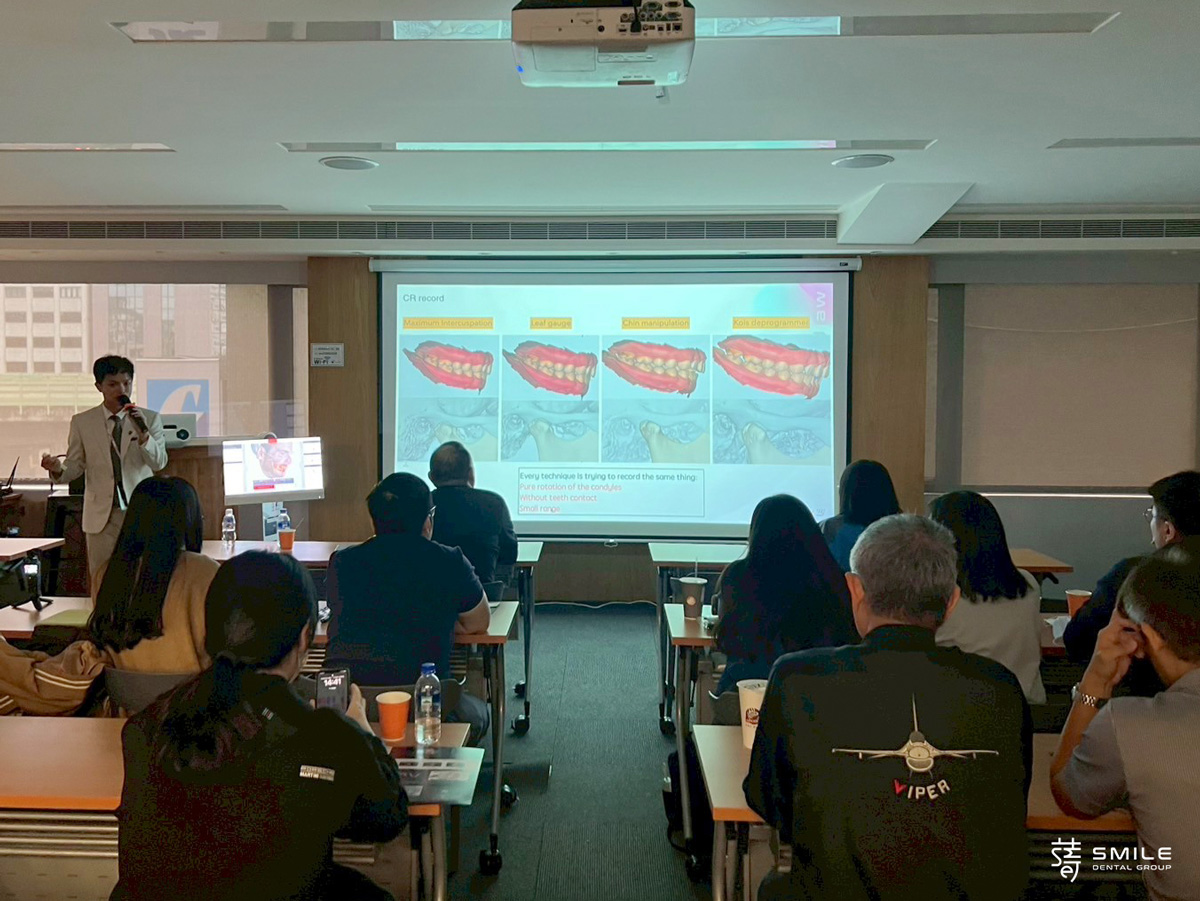
為推動更精準的咬合診斷,上週末蒔美牙醫薛聖儒醫師與許庭豪醫師受邀參加由業生科技舉辦的動態咬合分析講座,與法國 MODJAW 創辦人、顳顎關節專家 Dr. Maxime Jaisson 及臨床咬合學權威馬隆祥教授共同授課,分享 MODJAW 在全口重建與顳顎關節障礙治療中的最新臨床應用。
講座現場吸引眾多專科醫師與數位牙體技術師參與,聚焦「動態咬合」如何影響修復物的品質與長期穩定性,期盼這項當今假牙設計最精準的新科技,在台灣的應用能加速落實與普及,讓更多病患受惠。
At a recent seminar in Taipei, Smile Dental clinicians joined Dr. Maxime Jaisson—the French researcher behind MODJAW—to discuss why dynamic jaw movement is becoming essential in modern implant and reconstruction planning. The event drew specialists eager to understand how real-time motion data can make restorations more durable, more comfortable, and more predictable.
法國專家來台交流!忽略動態咬合,植牙恐更快耗損
Why Implants Fail Faster When Dynamic Occlusion Is Ignored
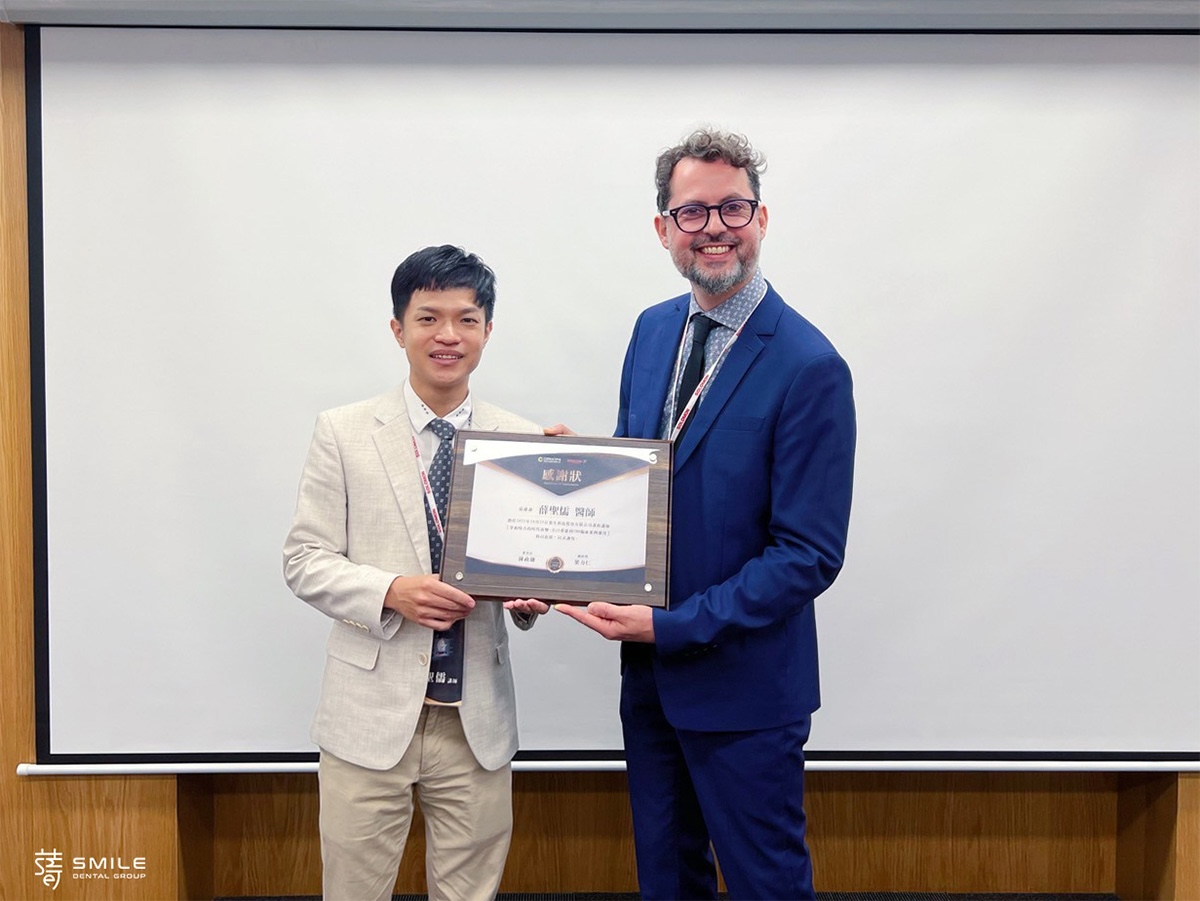
擁有生物力學與臨床雙重背景的法國專家 Dr. Maxime 指出,長久以來,牙科不論是做植牙、假牙或矯正,多半著重在「閉口、靜止」時的咬合檢查;但真正影響牙齒使用感受的,卻是人們每天不斷發生的「動態行為」。
從早上起床刷牙、吃第一口早餐,到一整天說話、吞嚥,甚至夜間無意識的磨牙,下顎始終在微幅移動。每一次活動都會改變牙齒的接觸方式與受力分布,因此,動態咬合分析才是決定假牙舒適度、使用壽命與治療成效的關鍵。
來自法國的 MODJAW 系統,是目前全球唯一可精準紀錄下顎動態的設備。透過高速捕捉患者在真實口腔運動中的軌跡,並即時呈現在 3D 咬合模型上,讓醫師、牙技師與患者都能直接看到治療前後的差異,使假牙設計更接近自然咀嚼狀態。
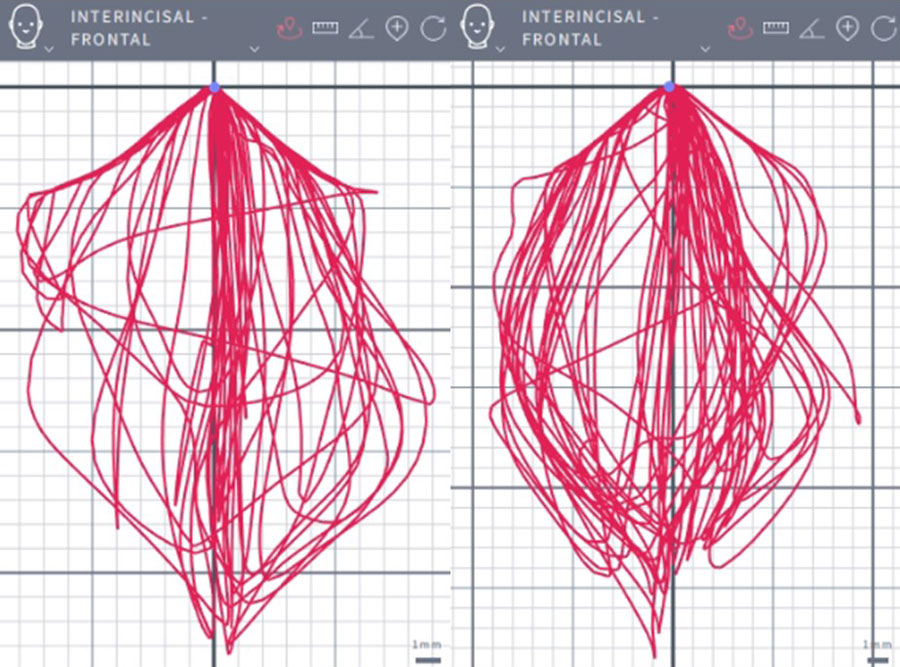
講座中,薛聖儒醫師也分享臨床使用 MODJAW 的心得,並以案例帶領與會者一同解析。從 MODJAW 的動態影像中,下顎運動路徑宛如多條精細跳動的線條,紀錄著患者多年累積的咀嚼習慣。薛醫師表示:「有了 MODJAW,我們能完整複製患者的咀嚼軌跡,做出的假牙用起來就像自己的牙齒一樣自然。」
他也補充:「這在傳統技術幾乎是辦不到的。傳統流程步驟繁多,每一步都可能造成誤差;MODJAW 能避免這些不必要的偏差,讓我們真正把假牙的精準度和品質做到最好。」
Dr. Jaisson emphasized a simple truth: teeth don’t just meet when the mouth is closed—they move constantly throughout the day. Those subtle shifts, from breakfast to bedtime grinding, shape how restorations actually function.
MODJAW, the motion-tracking system, renders the jaw’s path in real time, revealing patterns invisible in traditional static exams. During the seminar, clinicians reviewed cases where years of chewing habits were mapped with striking clarity, allowing dentists to design restorations that feel naturally integrated from day one.
As Dr. Hsueh explained, this technology closes gaps that were once unavoidable—eliminating cumulative errors and bringing prosthetic precision closer to how the patient truly uses their teeth.
跨國病例研討登場!個案深度解析 徹底掌握咬合關鍵
A Cross-Border Case Review Reveals the Hidden Patterns of a Patient’s Bite
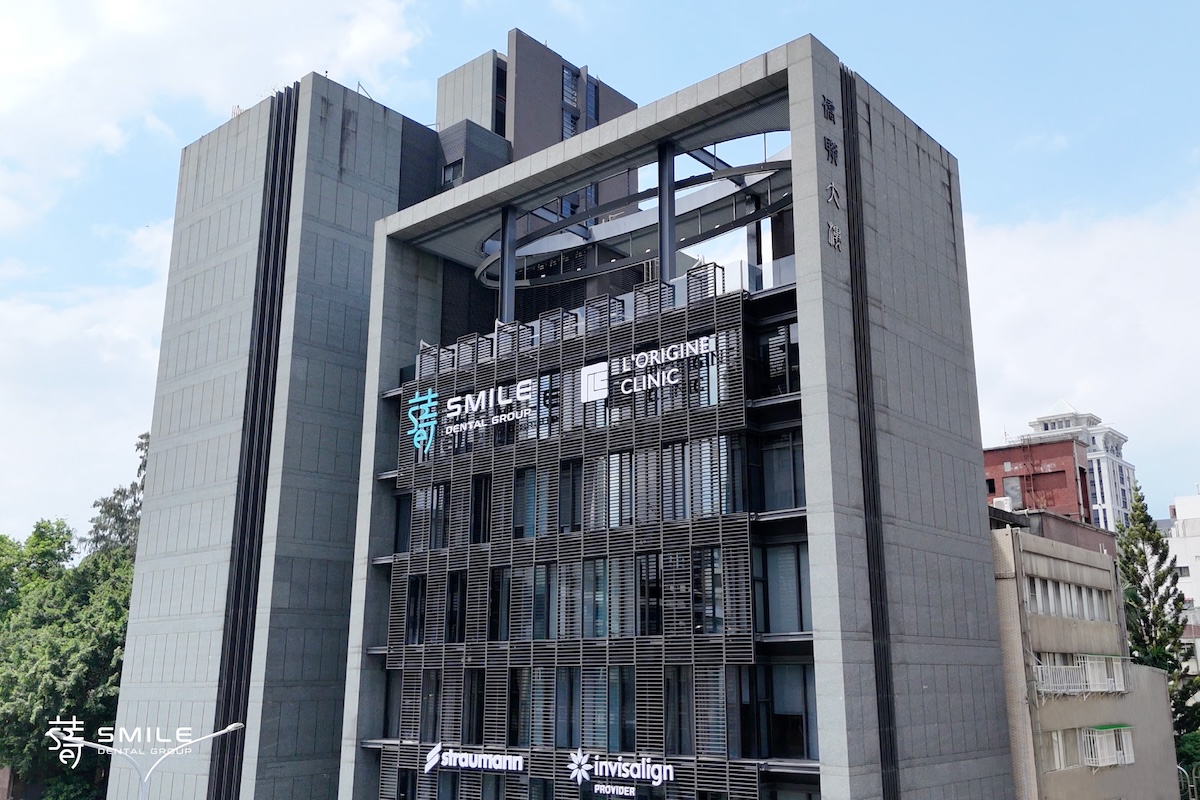
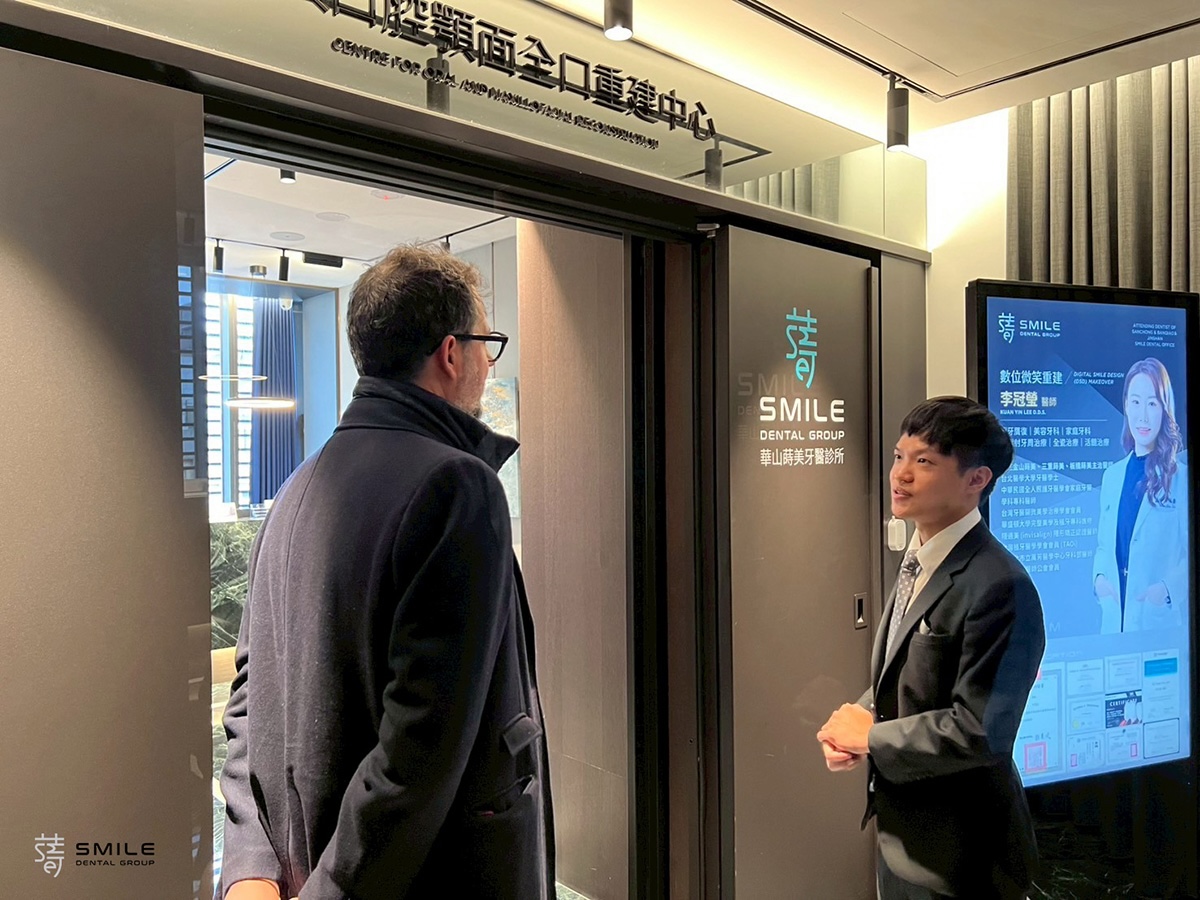

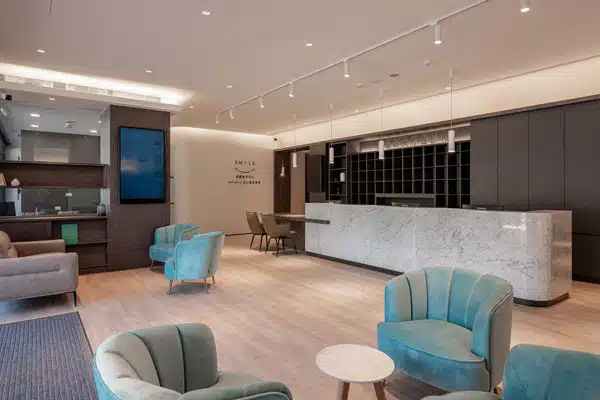
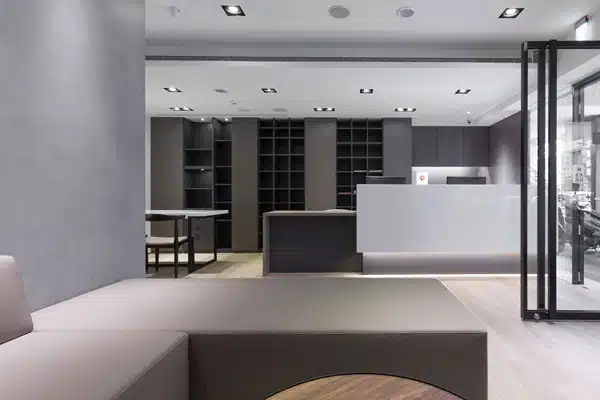
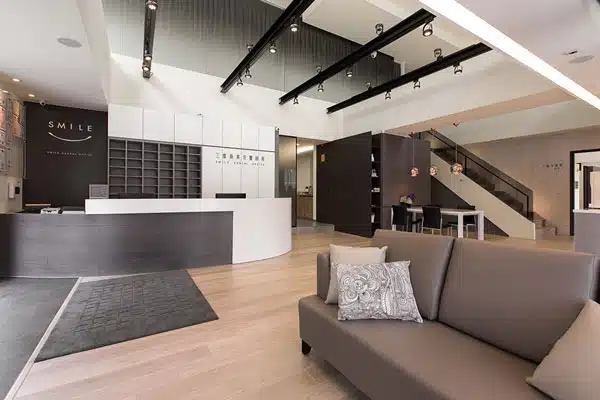
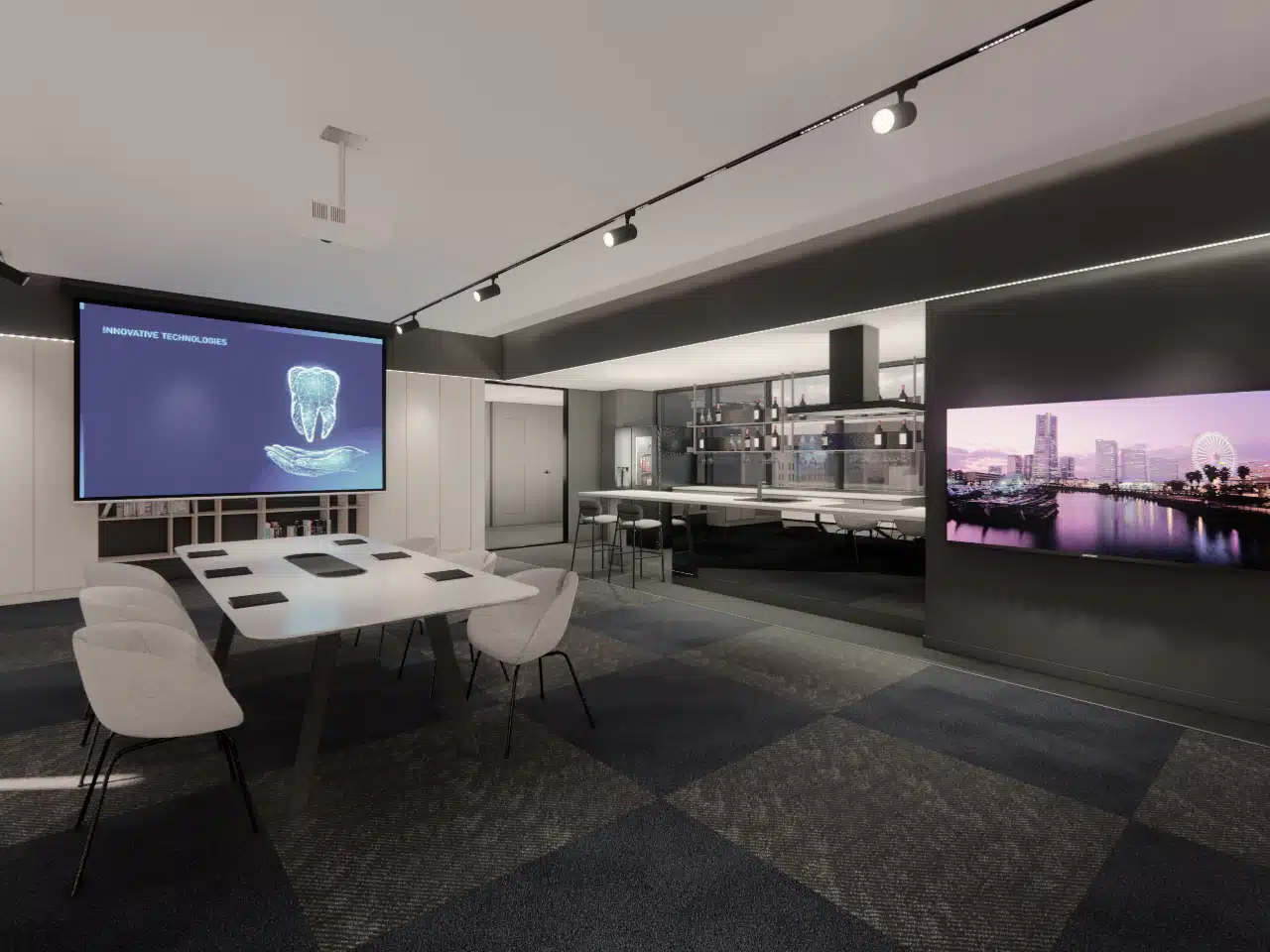
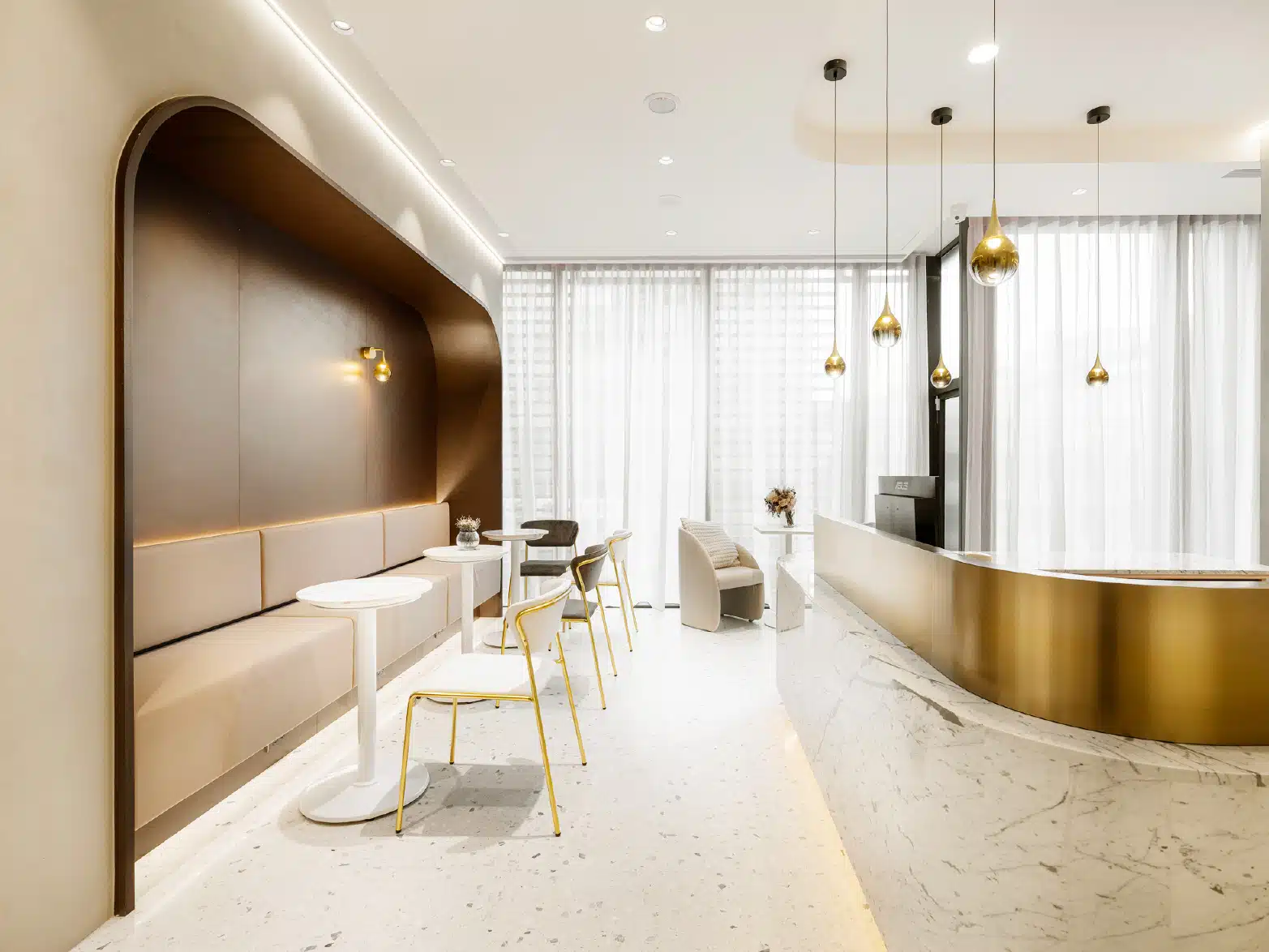
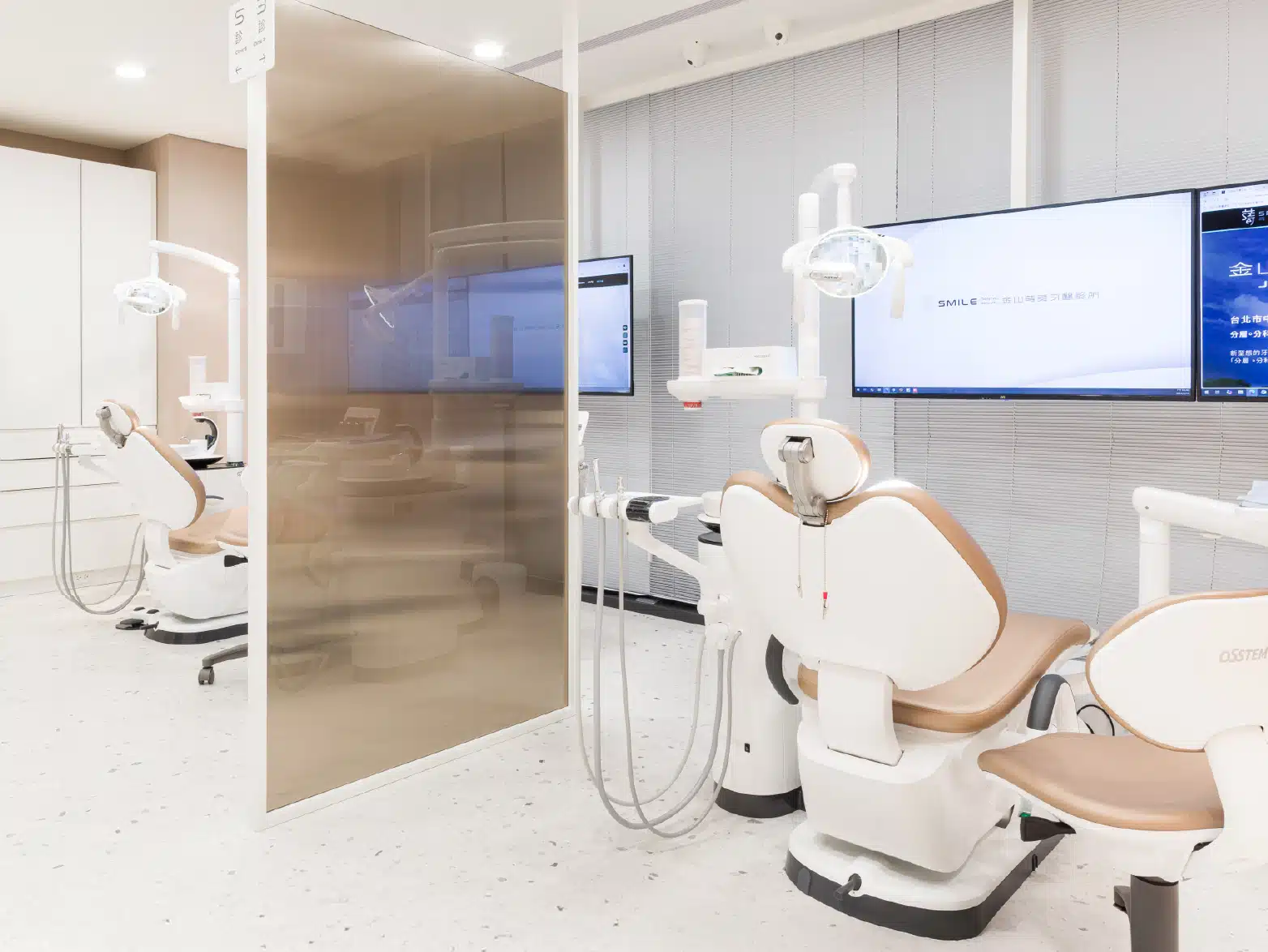
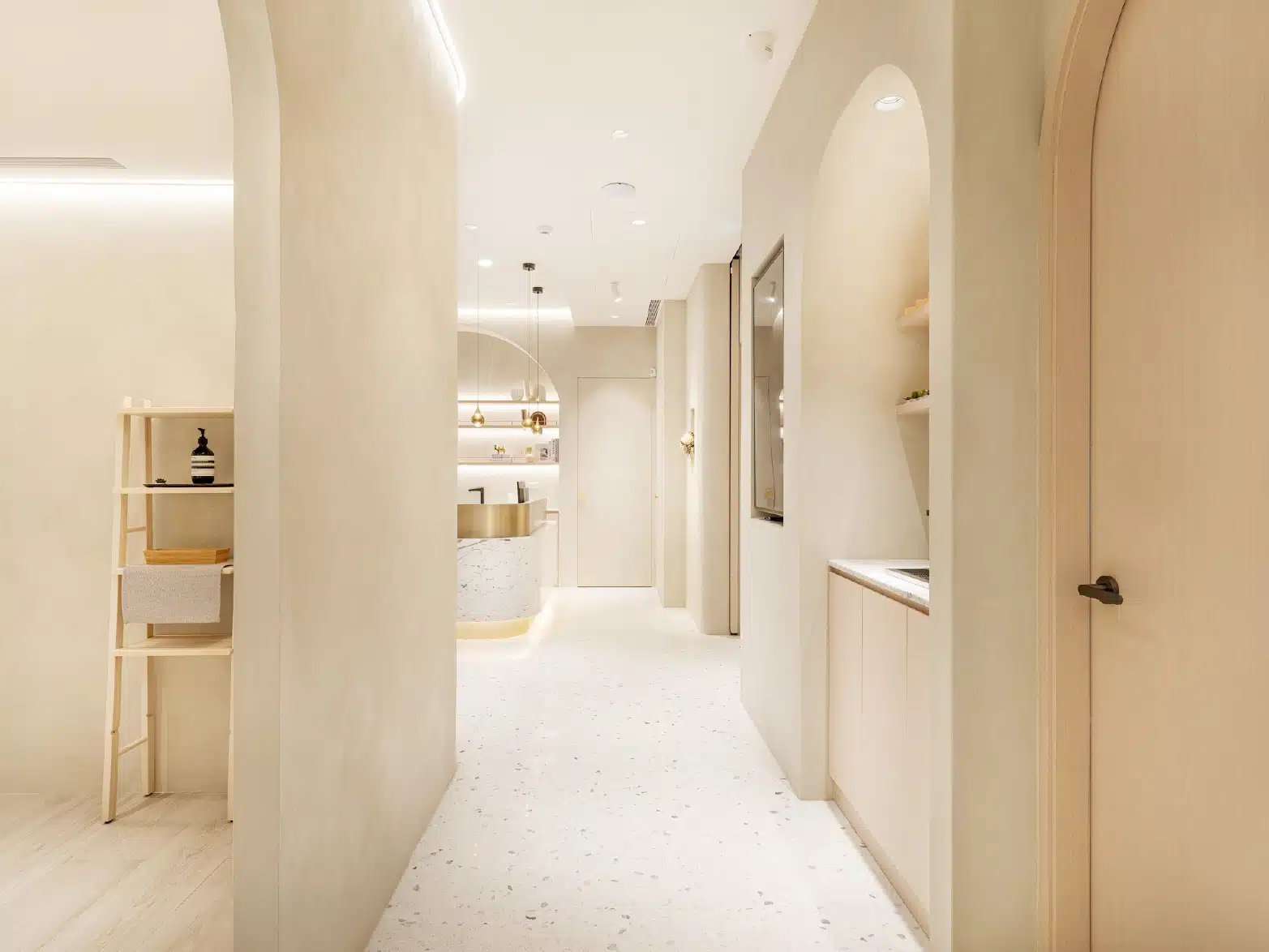
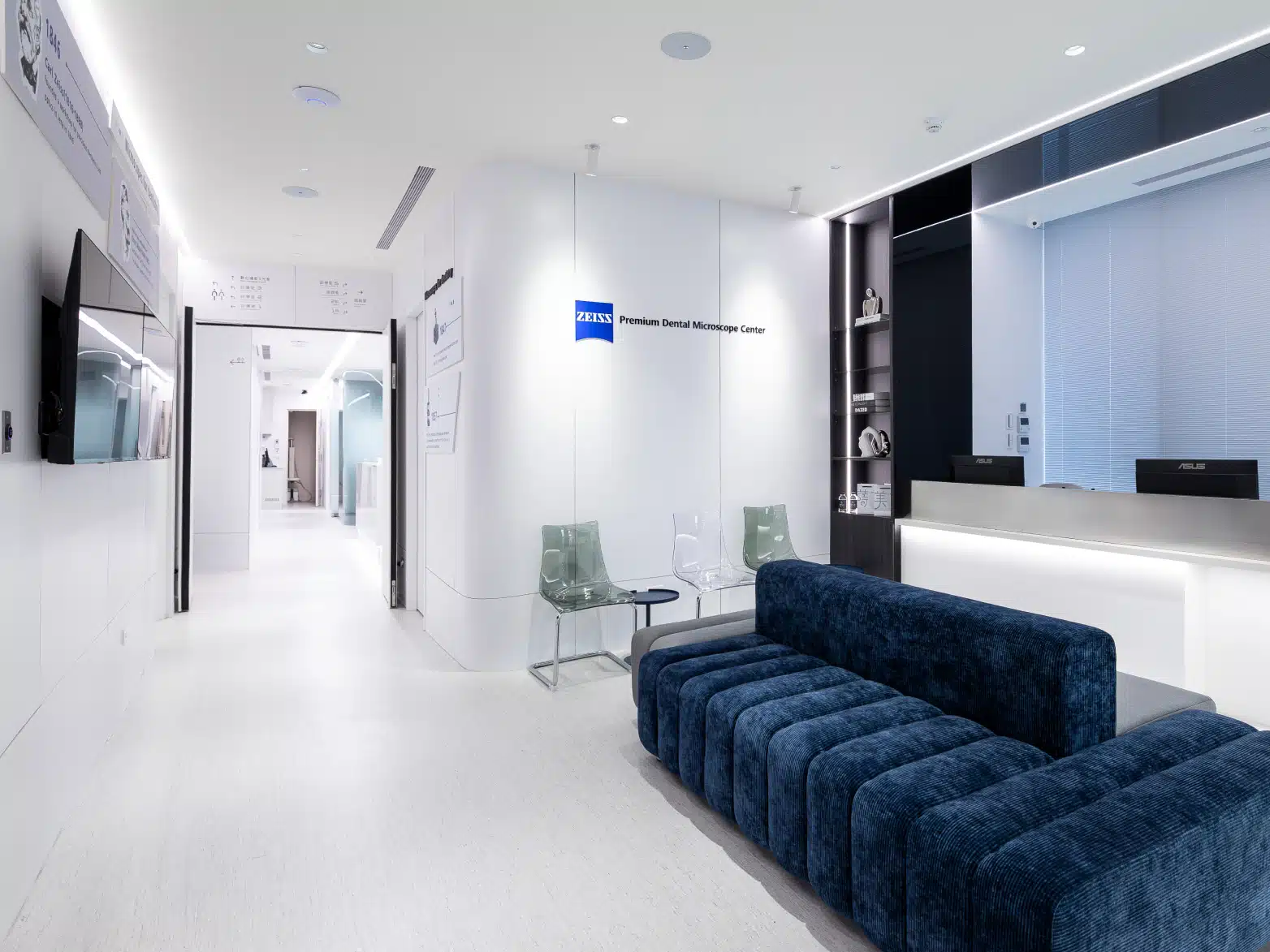
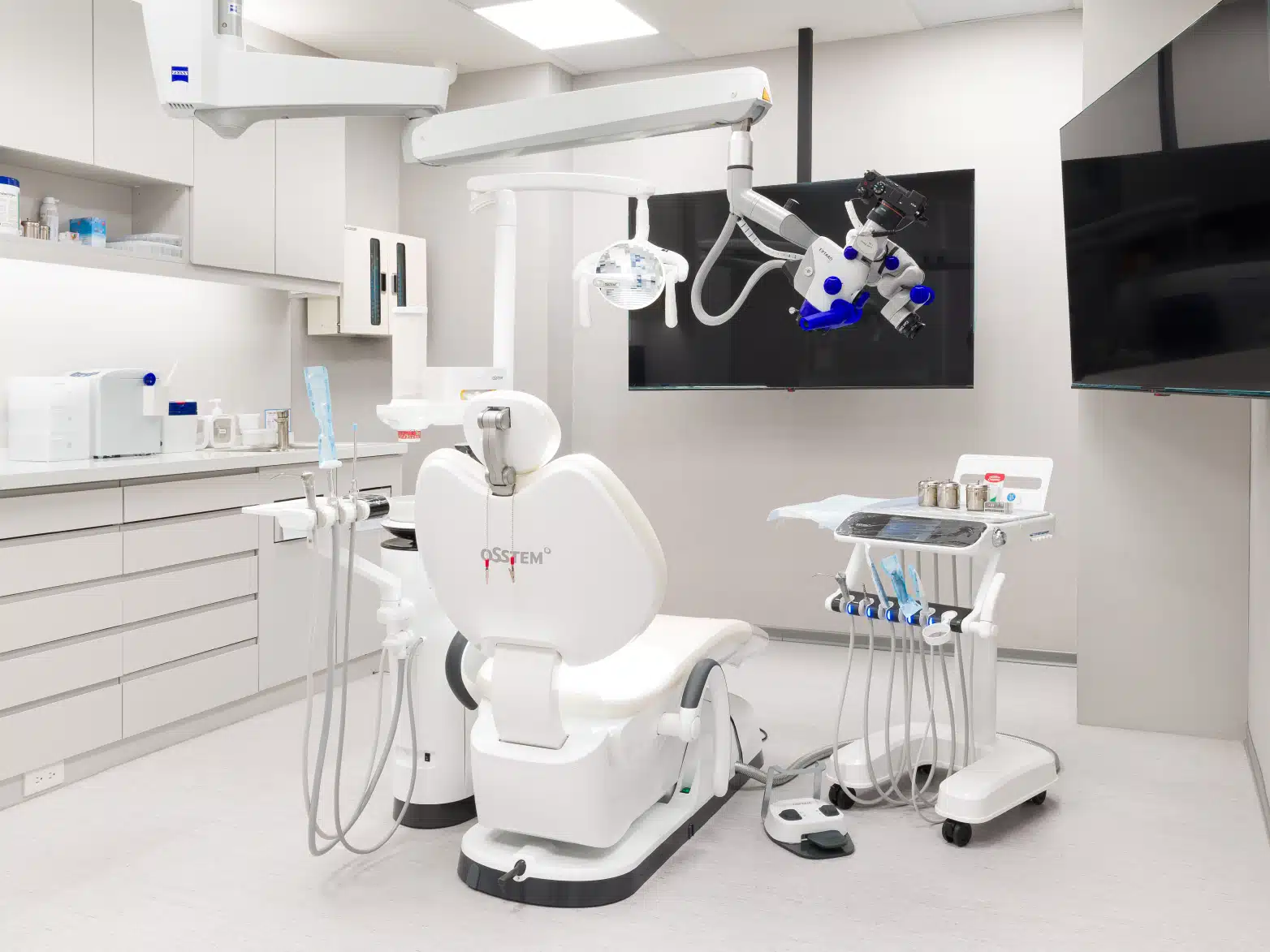
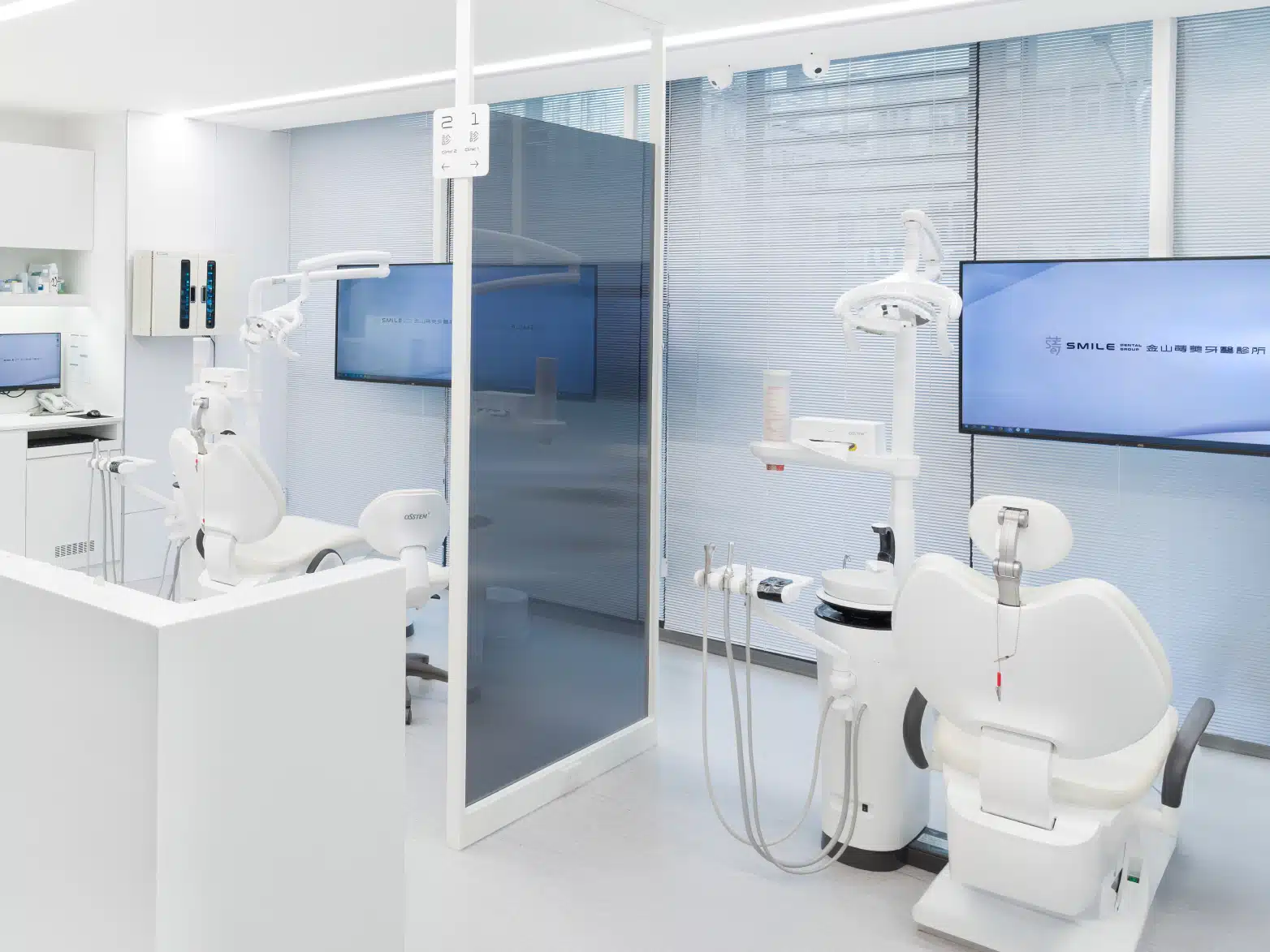
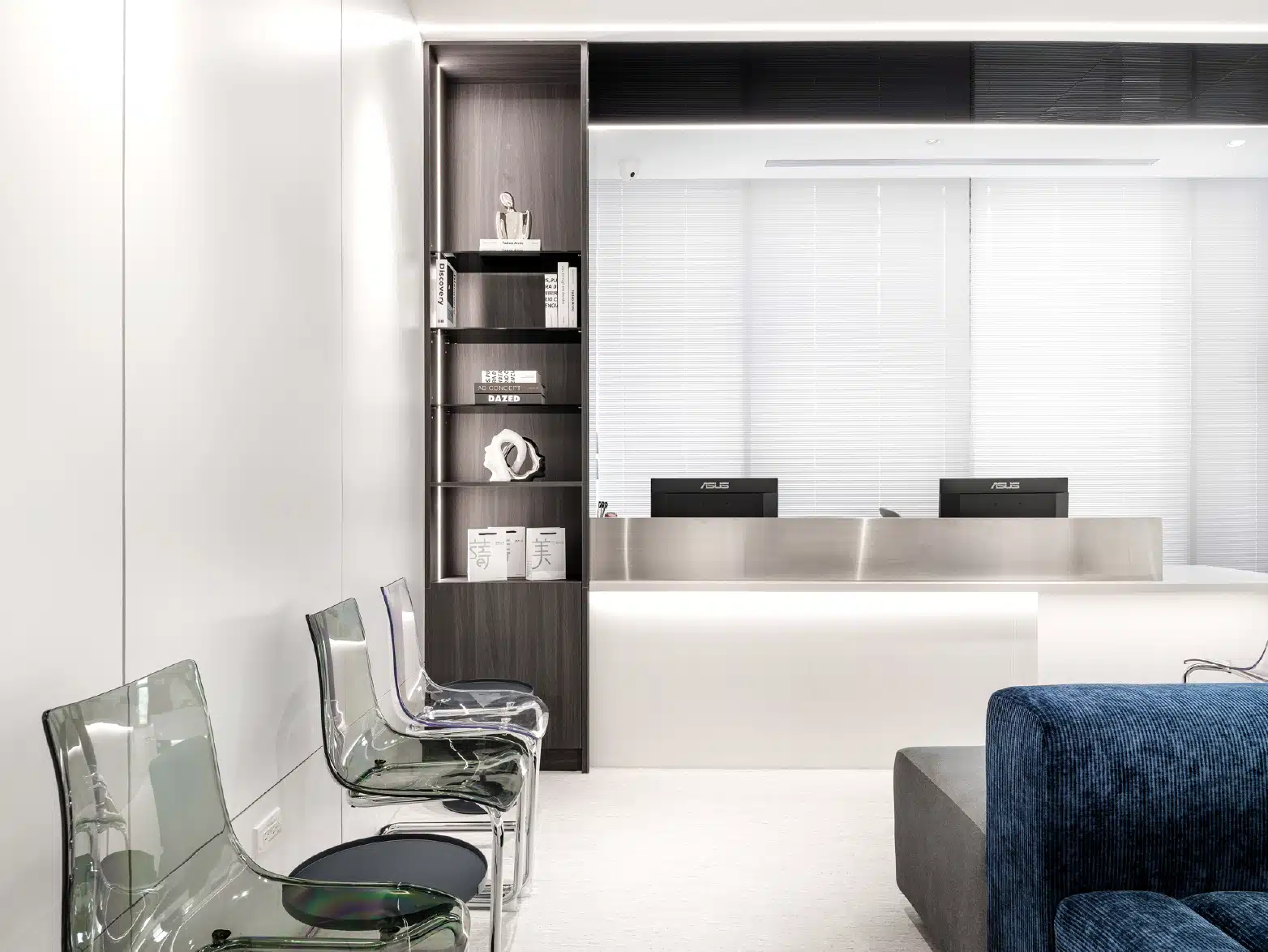
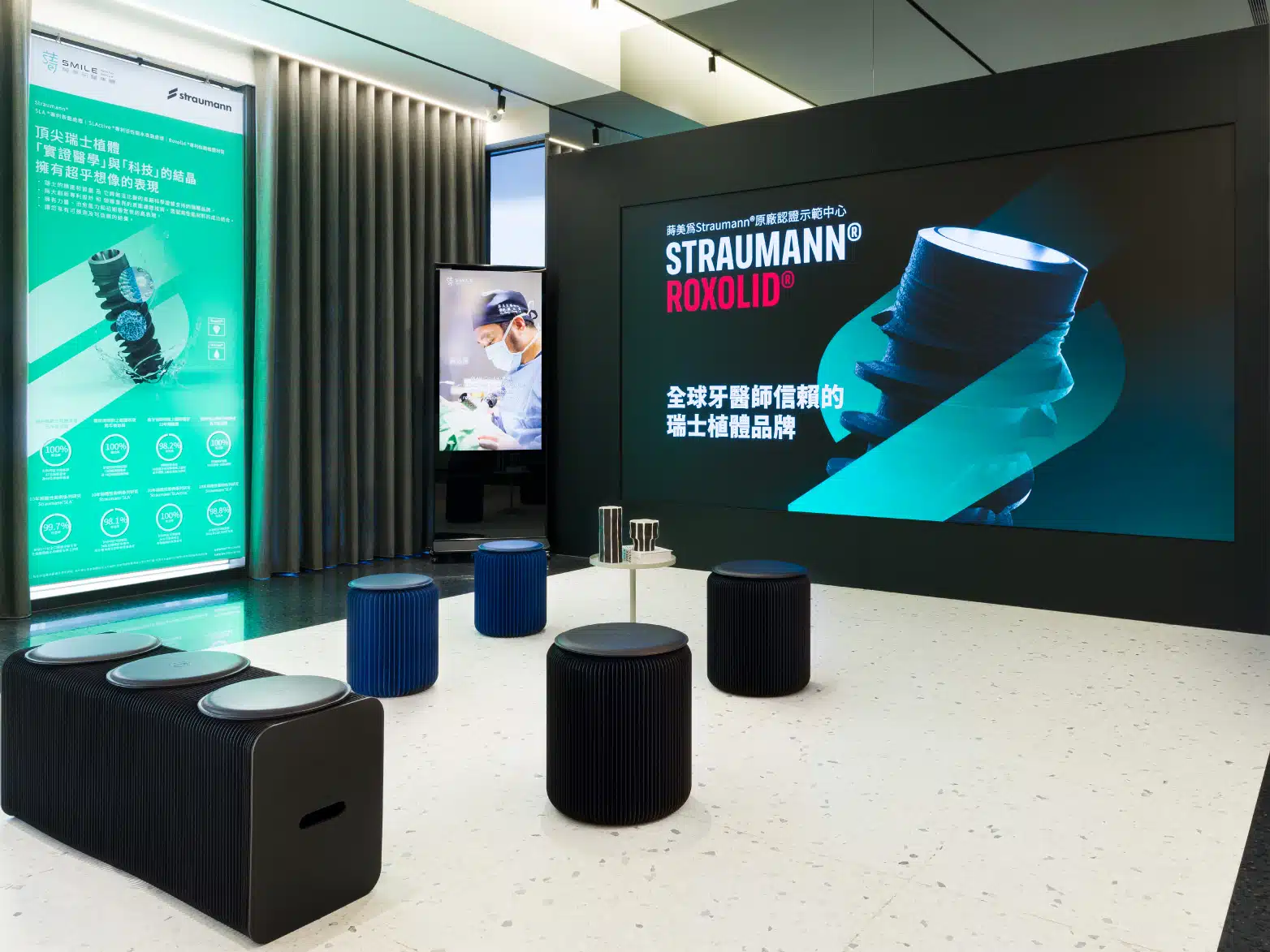
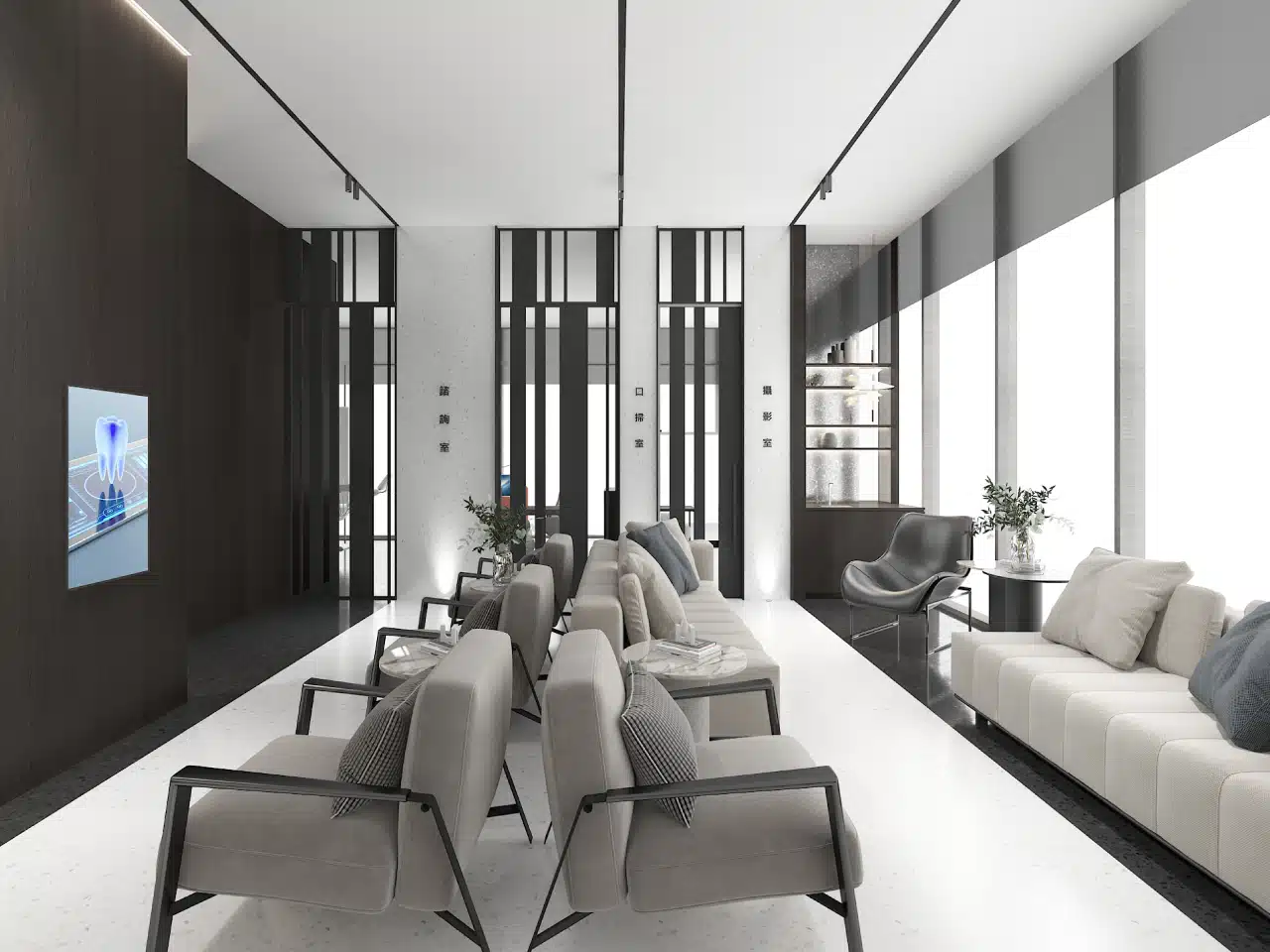
課程隔日,薛醫師親自陪同 Dr. Maxime 參觀蒔美金山牙科診所。金山蒔美是台灣少數以全棟五層樓打造的高階牙科醫療大樓,從空間動線到診間配置,都以專科診療與跨科合作為核心規劃。Maxime 對於蒔美分層分科的診療流程、齊全的數位化設備、兼具隱私與舒適的診間環境,以及數位牙技師團隊的專業培訓,都留下深刻印象。
參訪過程中,薛醫師特別分享 MODJAW 在全口重建中的整合應用。他以一位咬合嚴重磨耗的案例為例,說明如何透過Modjaw動態咬合數據確保咬合高度的舒適性,並讓下顎關節穩定地落在正確位置。
「從案例影像來看,左側圖是重建前的咀嚼軌跡。因多年磨耗,患者的大腦、肌肉與神經早已習慣這樣的運動模式。」薛醫師說,製作假牙時若硬要改變原本的軌跡,患者可能得花很長時間重新適應,甚至引發顳顎關節不適。
右側則是重建後的咀嚼軌跡。薛醫師說明,每個人的咀嚼線條看起來雜亂,但觀察最外圍的運動範圍,可見兩者角度相近、落差不大,代表重建後的假牙能貼合患者原本的咀嚼習慣,用起來就像自己的牙齒一樣自然。
During a visit to Jinshan Smile Dental —a multi-story clinic designed for integrated specialty care—Dr. Jaisson saw how digital dentistry is being woven into daily practice in Taiwan.
A detailed case review showed how dynamic data can guide full-mouth reconstruction, especially in patients with severe wear. By matching new restorations to a patient’s established movement patterns, clinicians can rebuild comfort and stability instead of forcing the jaw to relearn its position.
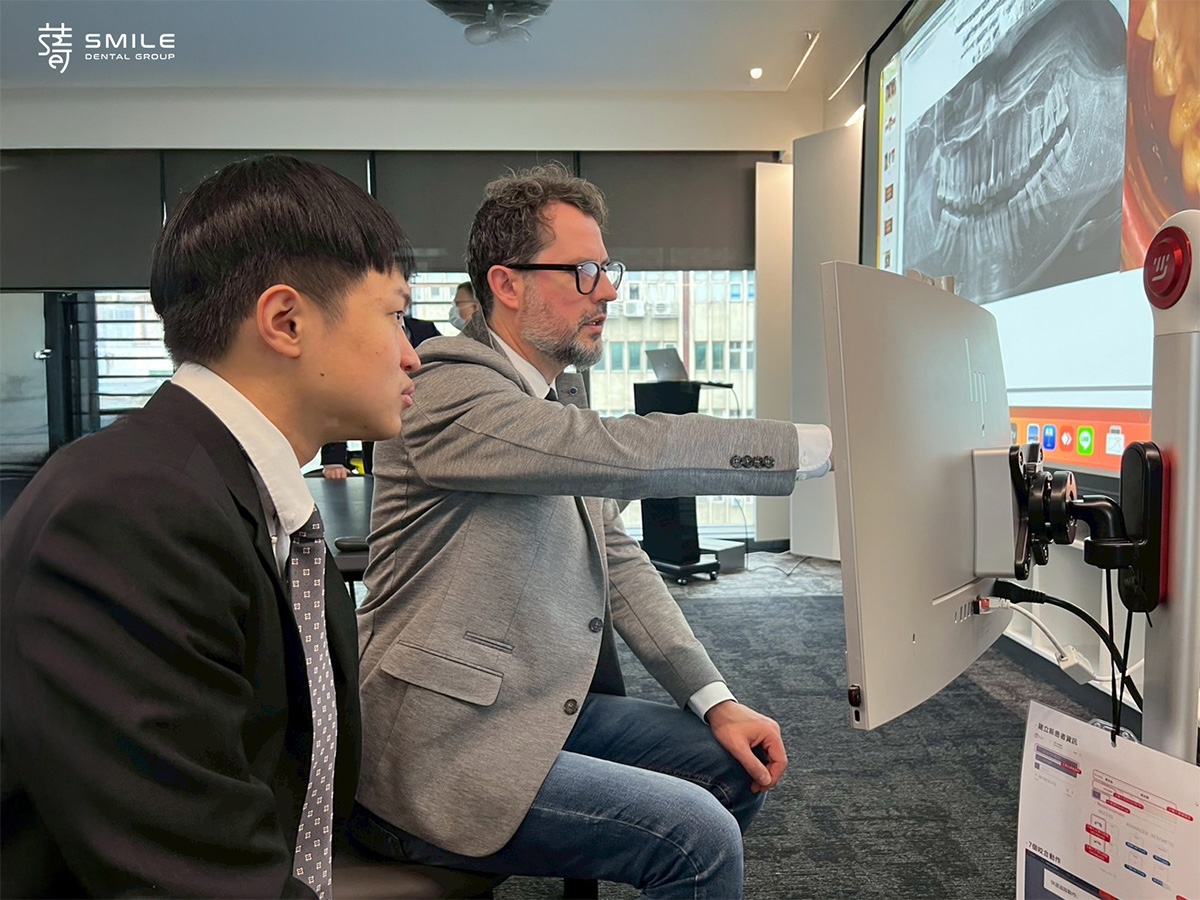
Maxime 也在現場親自示範 MODJAW 的臨床操作,說明如何透過動態咬合軌跡與患者溝通。他表示,MODJAW 是非常有效的臨床解說工具,術前能讓患者一目了然自己的咬合狀況,了解為何需要治療,降低治療焦慮;術後則以明確的影像呈現前後差異,讓患者更清楚看見改善成果。
Dr. Jaisson added that MODJAW serves not only as a diagnostic tool but also as a bridge between clinician and patient, turning complex biomechanics into something visible and easy to grasp.
國際交流聚焦精準植牙:不再憑感覺,數據讓治療更安心
From Guesswork to Data: How Precision Is Redefining Implant Dentistry
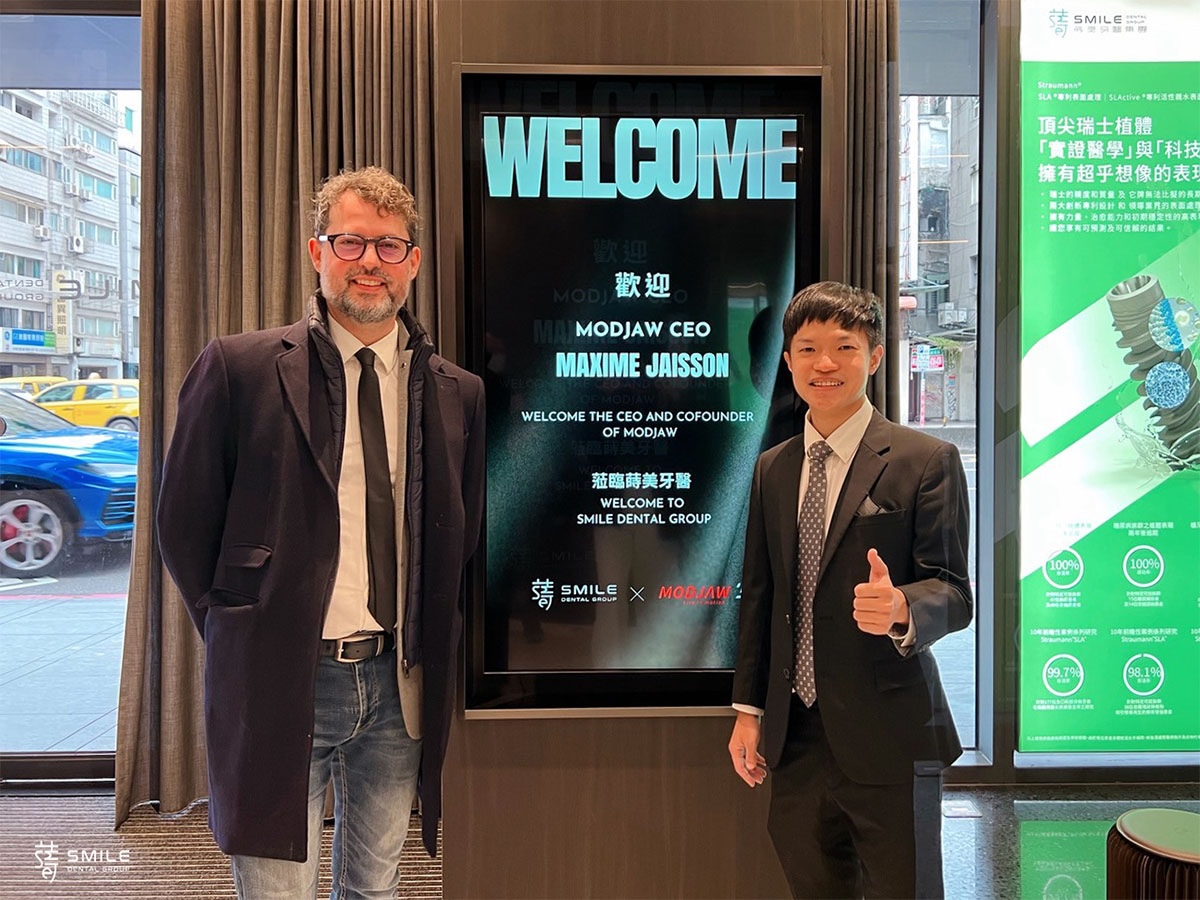
這場交流持續近兩個小時,Maxime 對動態咬合的熱情感染全場。他表示,很欣慰看到蒔美牙醫在台灣積極推動 MODJAW 的臨床應用,讓患者能透過精準診斷,獲得更舒適、穩定的治療成果。
薛聖儒醫師指出,許多過去「做不到」的咬合分析,如今在數位科技協助下已能精準完成;既然科技辦得到,就應落實在臨床上。「真正好的治療,不能只靠經驗或感覺,而要以科學與數據為根據,讓每一步走得更踏實、更穩定。」
這也呼應了 Dr. Maxime 多次強調的理念: 「數位牙科不是未來,而是現在。」
對蒔美而言,數位化不只是設備升級,更是治療思維的轉變。動態咬合正悄悄重塑牙科的下一個十年,蒔美團隊也將持續深化相關技術,讓每一次重建都更貼近患者的真實需求與期待。
The discussion closed on a shared conviction: dentistry is shifting from intuition to evidence. What once required guesswork can now be mapped, measured, and refined with data.
Both teams echoed a growing global sentiment—digital tools aren’t the future of dentistry; they are its present. And as dynamic occlusion becomes part of routine care, treatments stand to become more predictable, more comfortable, and more aligned with how patients actually live.
For Smile Dental, this marks not just an investment in technology but a long-term shift in philosophy: rebuilding teeth by understanding how they truly move.