為什麼有些案例能成功,而有些卻演變成一連串的併發問題?
Why do some cases succeed, while others turn into a cascade of complications?
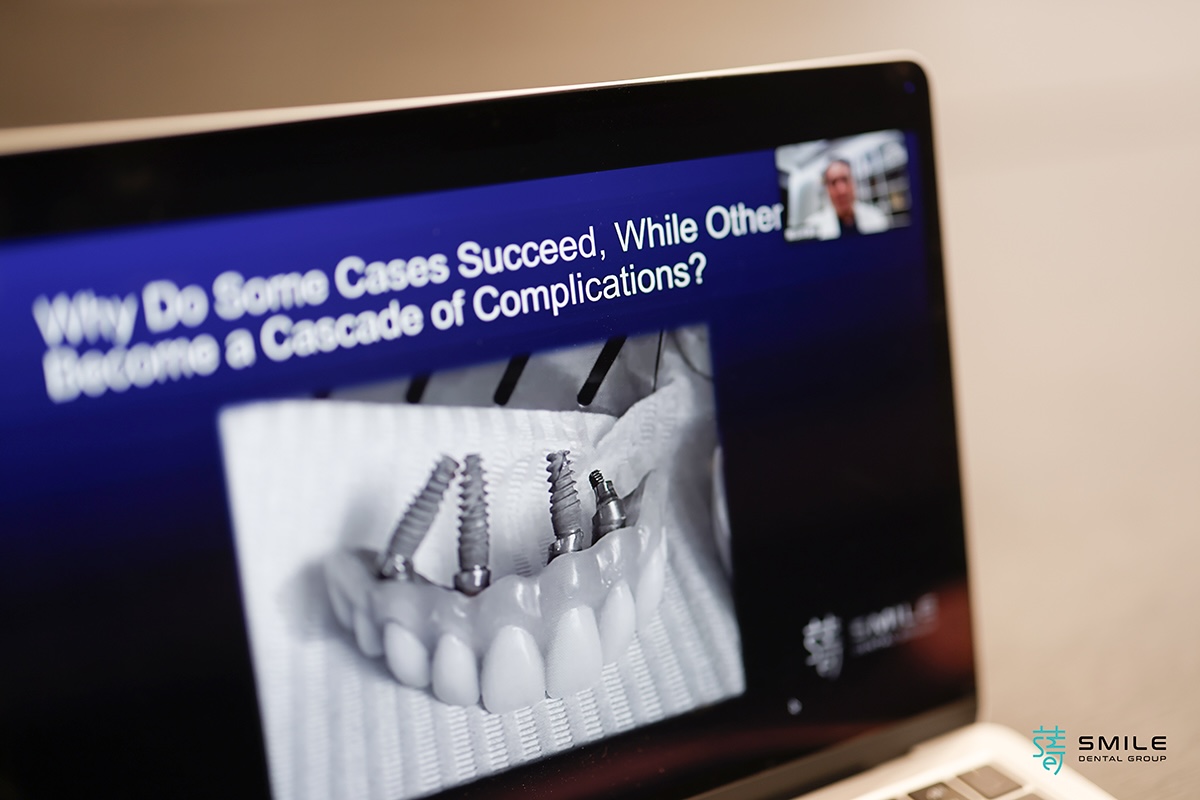
在全口重建與 All-on-4 植牙治療中,這個問題幾乎是所有臨床醫師與患者都曾面對的疑問。外觀看似完成、X 光指標也沒有明顯異常,卻在數年後出現假牙耗損、咬合不適,甚至反覆修補的狀況。問題究竟出在哪裡?
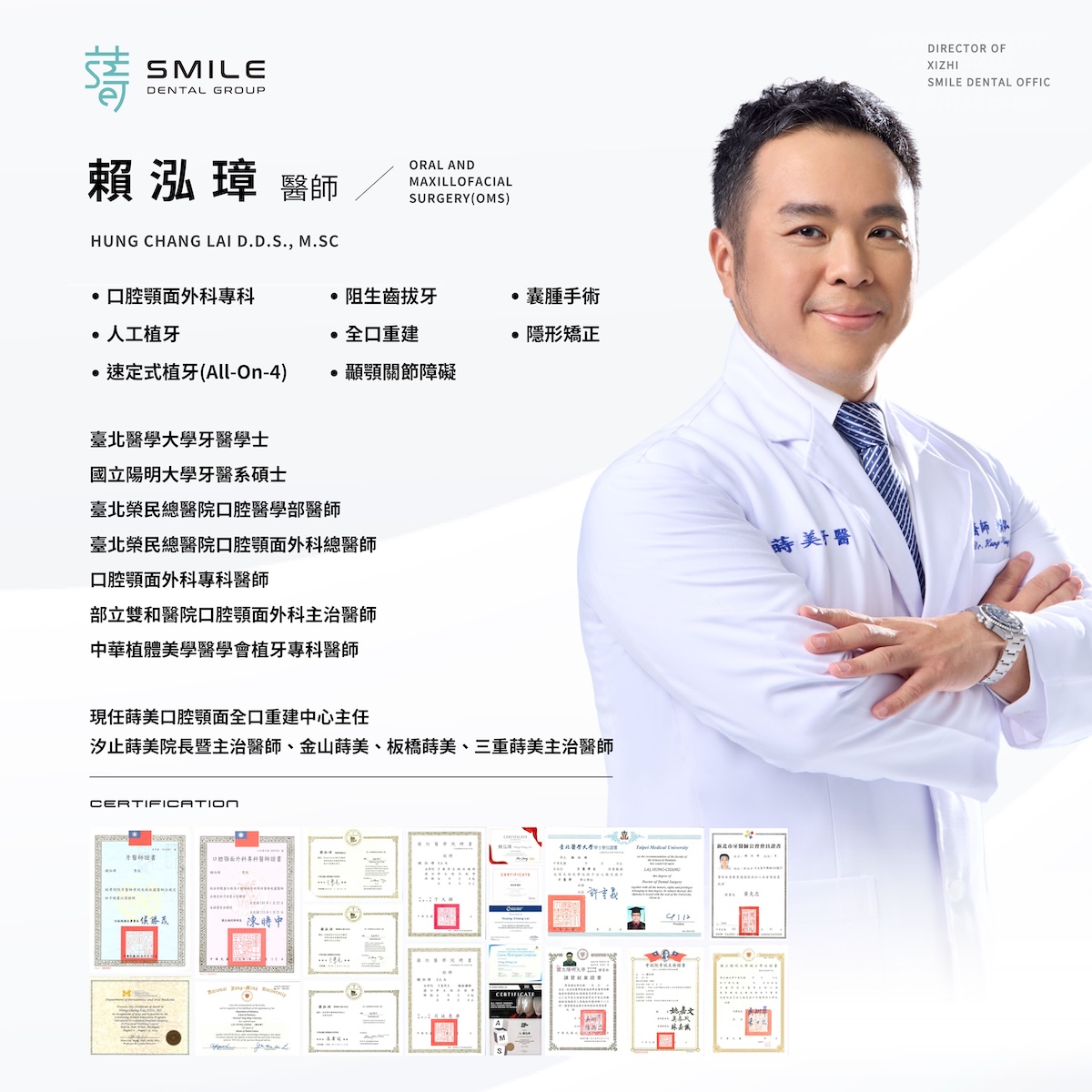
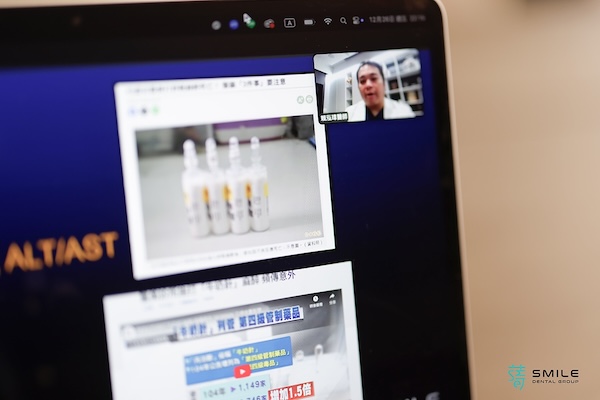
在 iEZ 近期舉辦的線上演講中,主講者 賴泓璋醫師,以「一日全口重建的實戰思維:如何讓 All-on-4 變得可預期」為題,從臨床判斷的角度出發,深入剖析全口重建成功與否的關鍵,並分享蒔美牙醫目前實際運作的完整治療流程,以及未來新科技在全口重建中的角色。
In full-mouth reconstruction, outcomes may appear stable at first—yet problems often surface years later, raising a critical question: where does predictability truly begin?
During an iEZ online lecture, Dr. Hong-Chang Lai shared practical insights into making All-on-4 treatment more predictable, outlining Smile Dental’s current workflow and future clinical direction.
成功,不是在手術台上決定的
Success isn’t decided on the operating table.
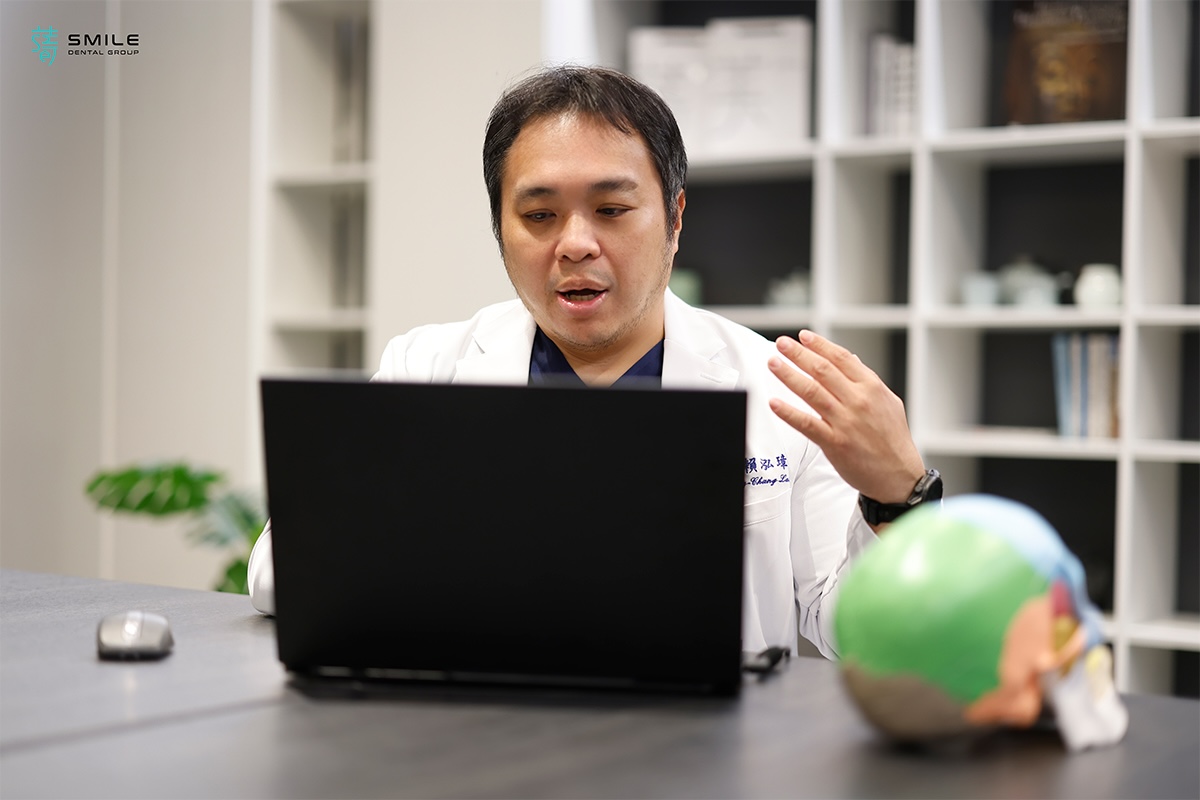
賴醫師在演講一開始便點出核心觀念:
真正可預期的成功,誕生於診斷桌前,而非手術台上。
追求「速度」只是結果;精通「穩定」,才是專業的本質。
As Dr. Lai emphasized:
Predictable success is achieved at the diagnostic table—not in the operating room.
Speed is an outcome; stability defines true professionalism.
在全口重建的臨床選擇上,關鍵並不只是「能不能當天完成」,而是每一個設計決策是否建立在長期穩定的基礎之上。
前後向展開(AP Spread)與懸臂長度(Cantilever)的比例,直接影響贋復體的受力分布與使用壽命。
手術策略也必須回到患者本身的條件來評估。依據骨量選擇合適的手術概念,而非套用單一模式,是避免後續問題的重要關鍵。
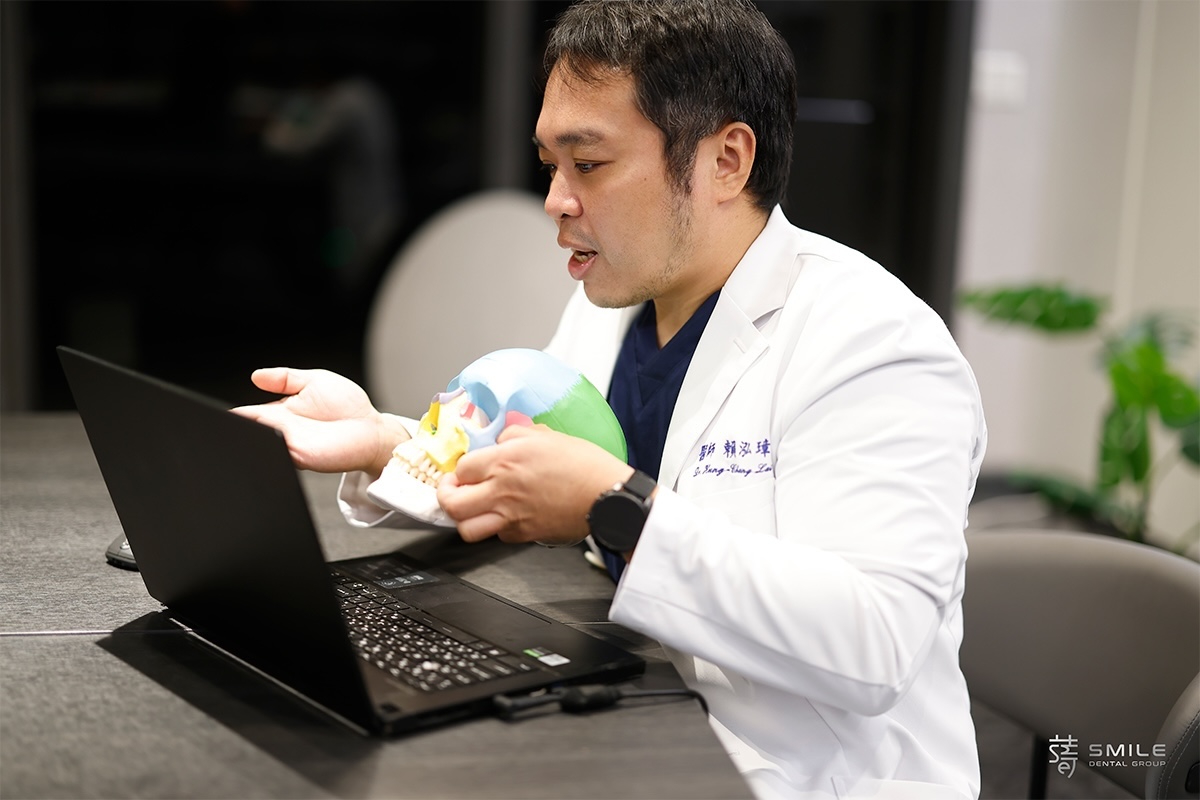
傾斜式後牙植體已被科學研究驗證,能在有限骨量下有效避開關鍵解剖結構,並提升整體穩定性。
In full-mouth reconstruction, predictability depends on sound design principles.
The relationship between AP spread and cantilever length plays a critical role in long-term prosthetic stability.
Surgical planning should be tailored to bone volume rather than standardized techniques.
Tilted posterior implants are scientifically validated to maximize available bone and avoid critical anatomy.
可預期的背後,是一整套系統化流程
Predictability is built on a systematized process.
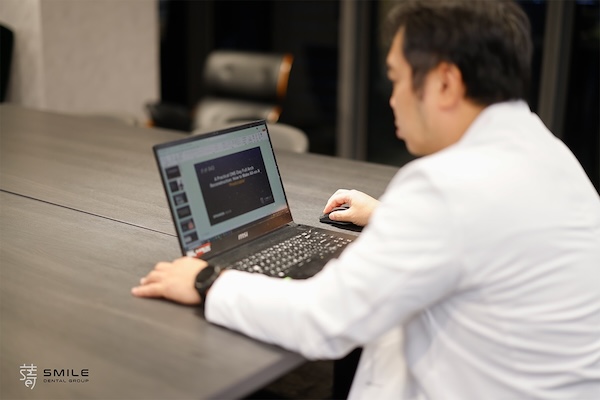
賴醫師指出,「可預期」從來不是單一技術的成果,而是一套完整流程的累積。
在蒔美的全口重建流程中,完整的術前評估是第一步。
透過血液檢查、影像檢查與全身狀況評估,事前排除潛在風險,為手術安全與長期成果奠定基礎。
隨著數位科技的進展,術前規劃不再只是推測。
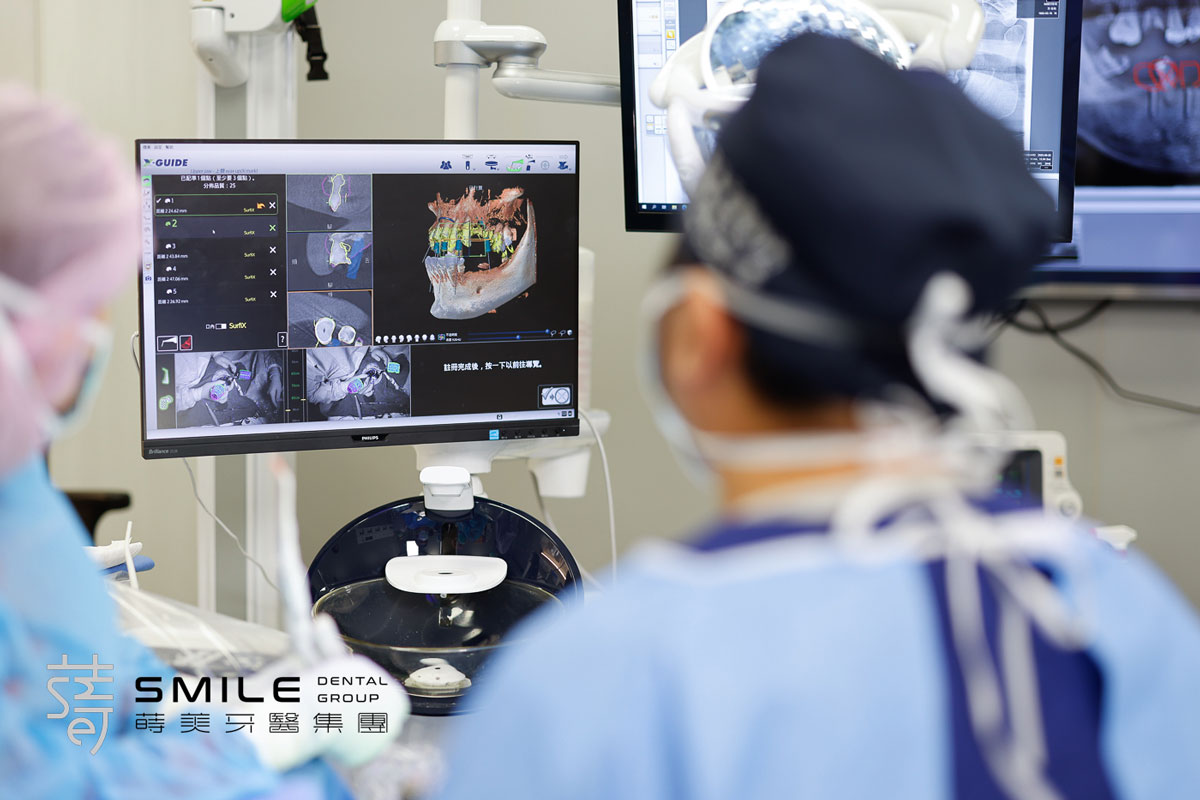
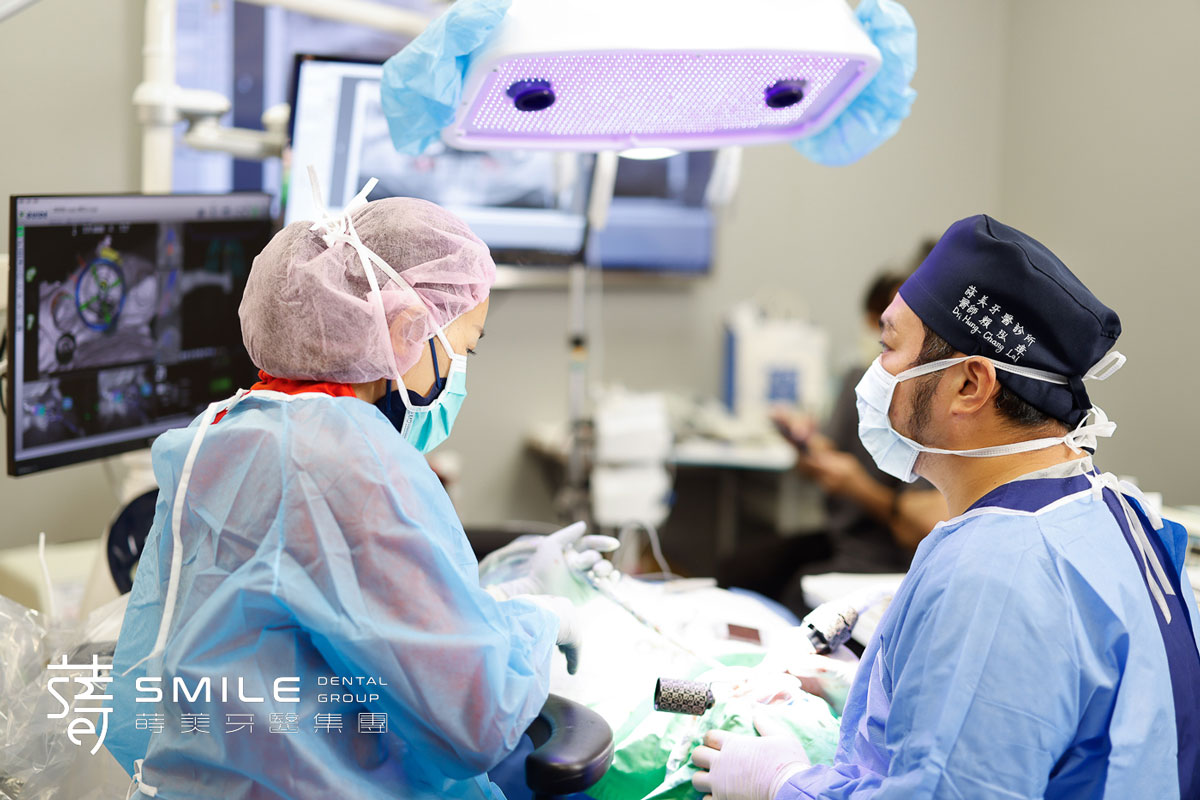
數位化術前模擬與 x-guide 藍光導航,讓醫師能以次毫米等級的精準度,將虛擬計畫落實於實際手術中。
Predictability is never the result of a single technique—it is built through a comprehensive clinical system.
At Smile Dental, treatment begins with thorough preoperative evaluation to minimize risk and establish stable conditions for long-term success.
With digital simulation and x-guide navigation, virtual plans can now be translated into surgery with sub-millimeter accuracy.
科技是工具,判斷才是關鍵
Technology is a tool; expert judgment makes the difference.
然而,賴醫師也特別強調,數位工具的角色在於輔助臨床判斷,而非取代醫師的決策。
Technology supports clinical judgment—it does not replace it.
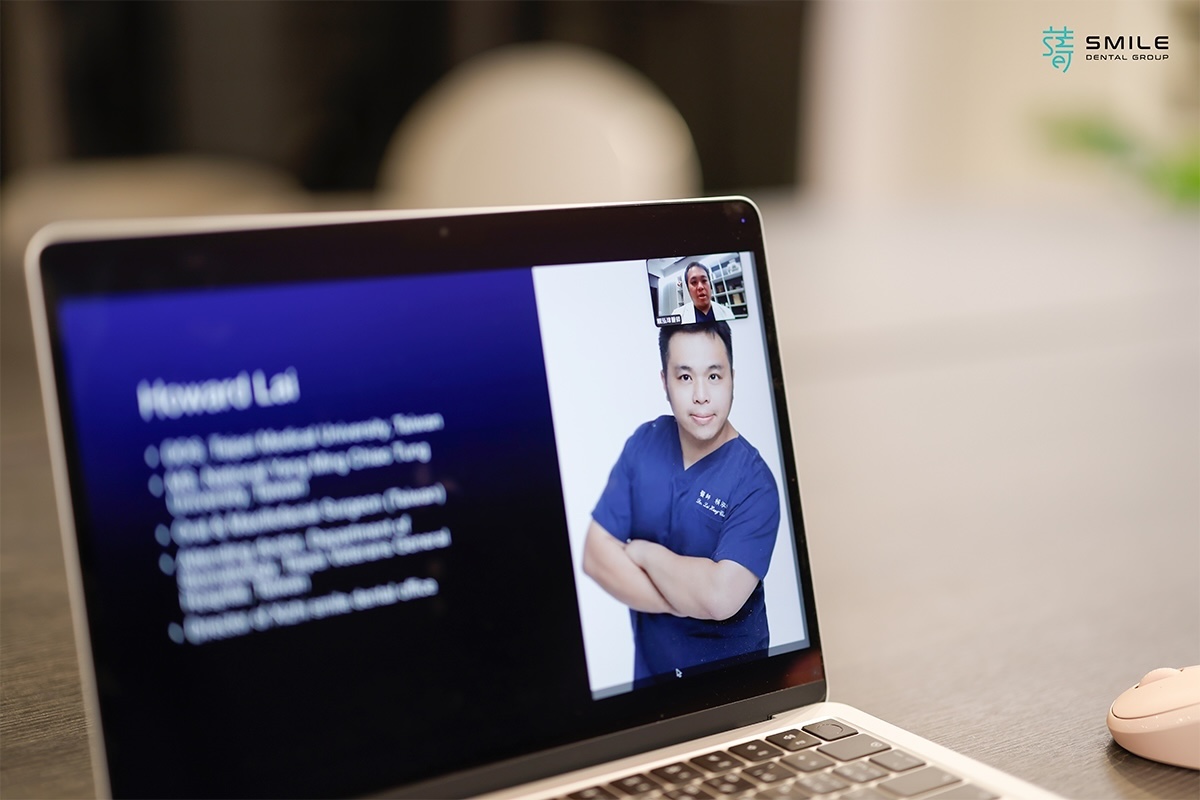
科技是工具,但臨床判斷,才是掌握可預期性的關鍵。
科技的存在,是為了降低人為錯誤;然而,真正裁定不確定性的,始終是臨床醫師的判斷。
Technology is the tool, but clinical judgment is the key to predictability.
While technology reduces human error, the clinician’s judgment remains decisive.
這也是蒔美全口重建手術皆由口腔顎面外科專科醫師執行的重要原因。
唯有整合診斷、手術規劃與併發症管理,才能真正追求長期穩定,而不只是快速完成。
This philosophy underpins Smile Dental’s commitment to having full-mouth reconstructions performed by oral and maxillofacial surgery specialists.
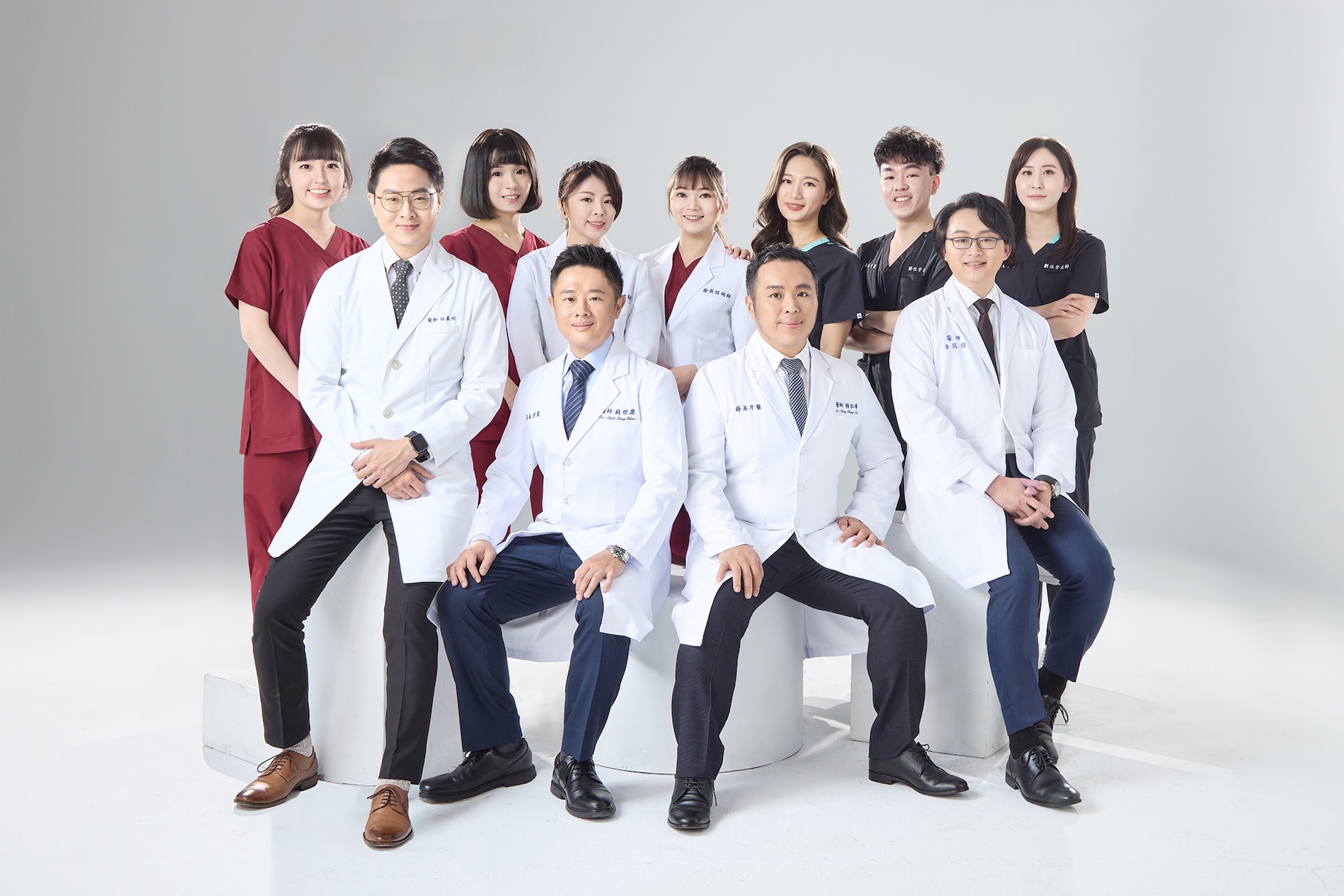
從速度走向穩定,是全口重建的下一步
In full-mouth reconstruction, the next step is moving from speed to stability.
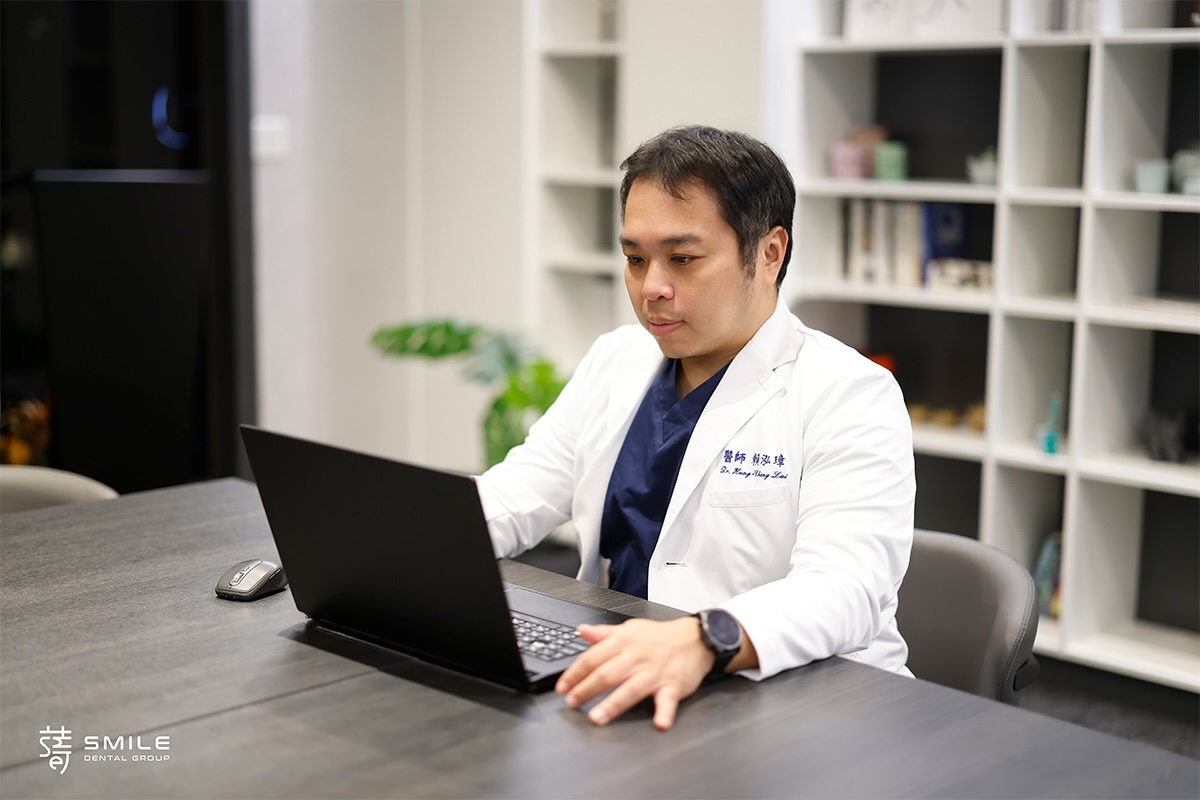
對蒔美而言,數位化不只是設備升級,而是一種治療思維的轉變。
真正好的全口重建,不只是「快」,而是能在多年後依然穩定、安心使用。
For Smile Dental, digital dentistry represents a shift in mindset.
The future of full-mouth reconstruction lies not in speed, but in lasting stability and predictable outcomes.