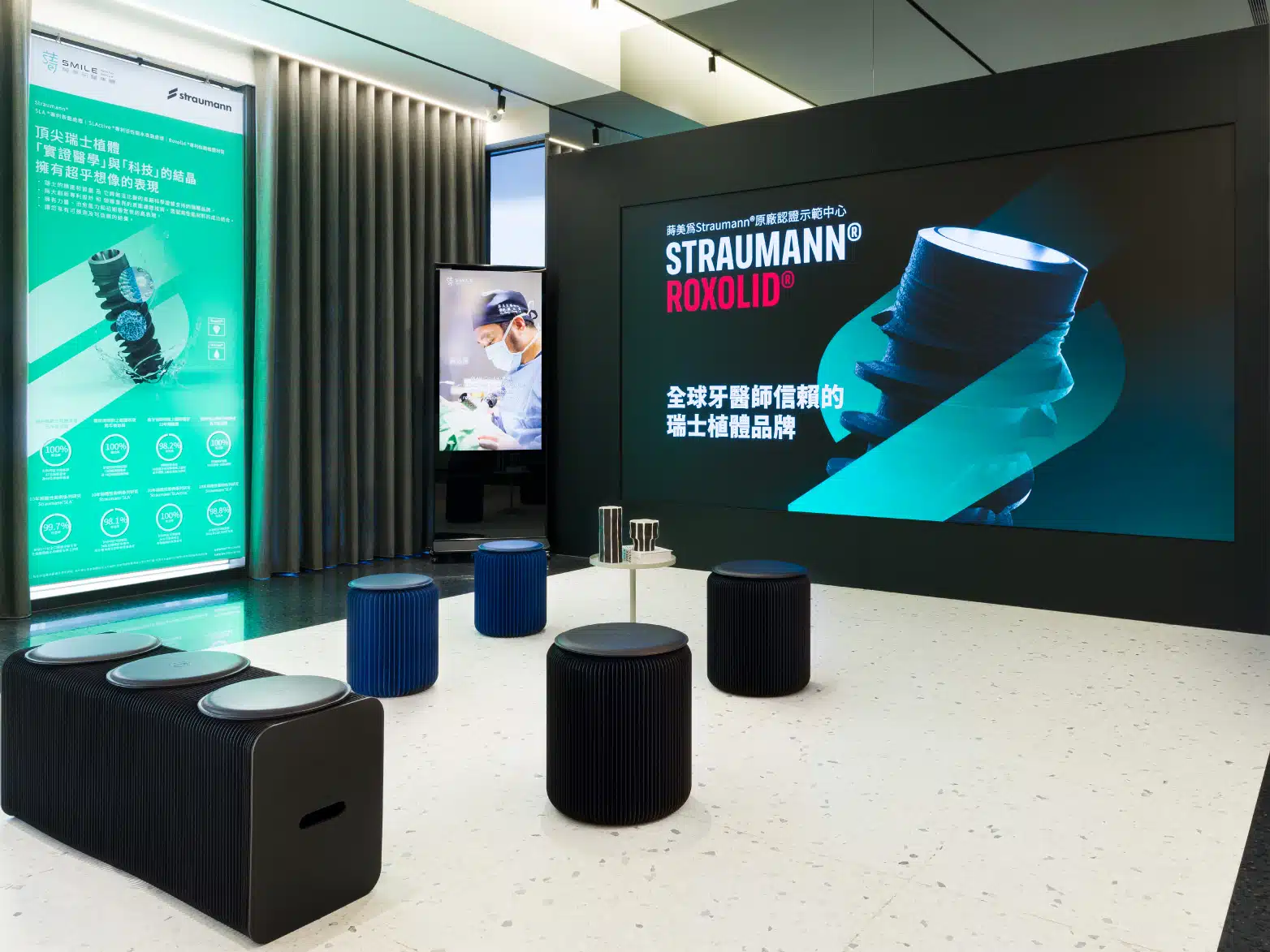
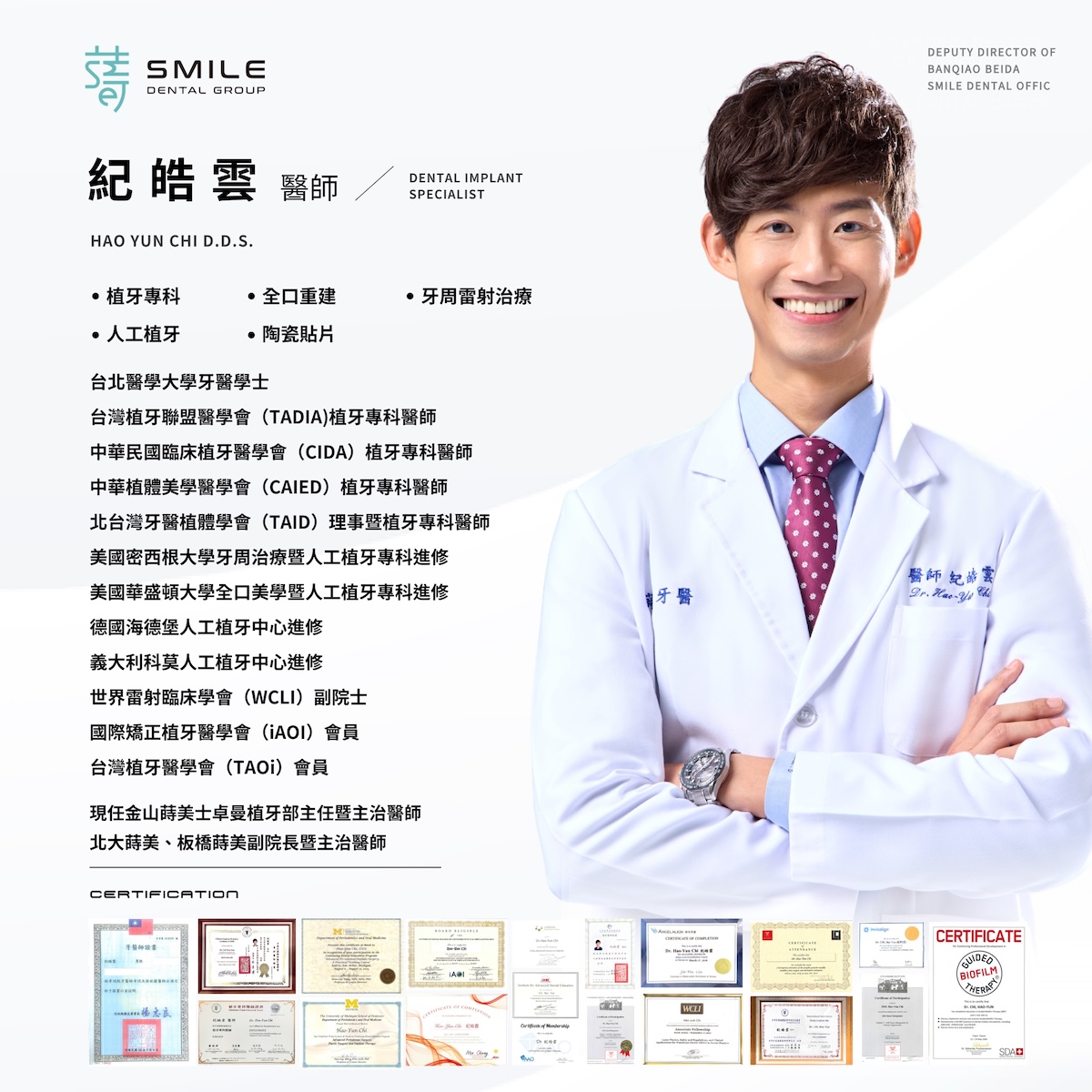
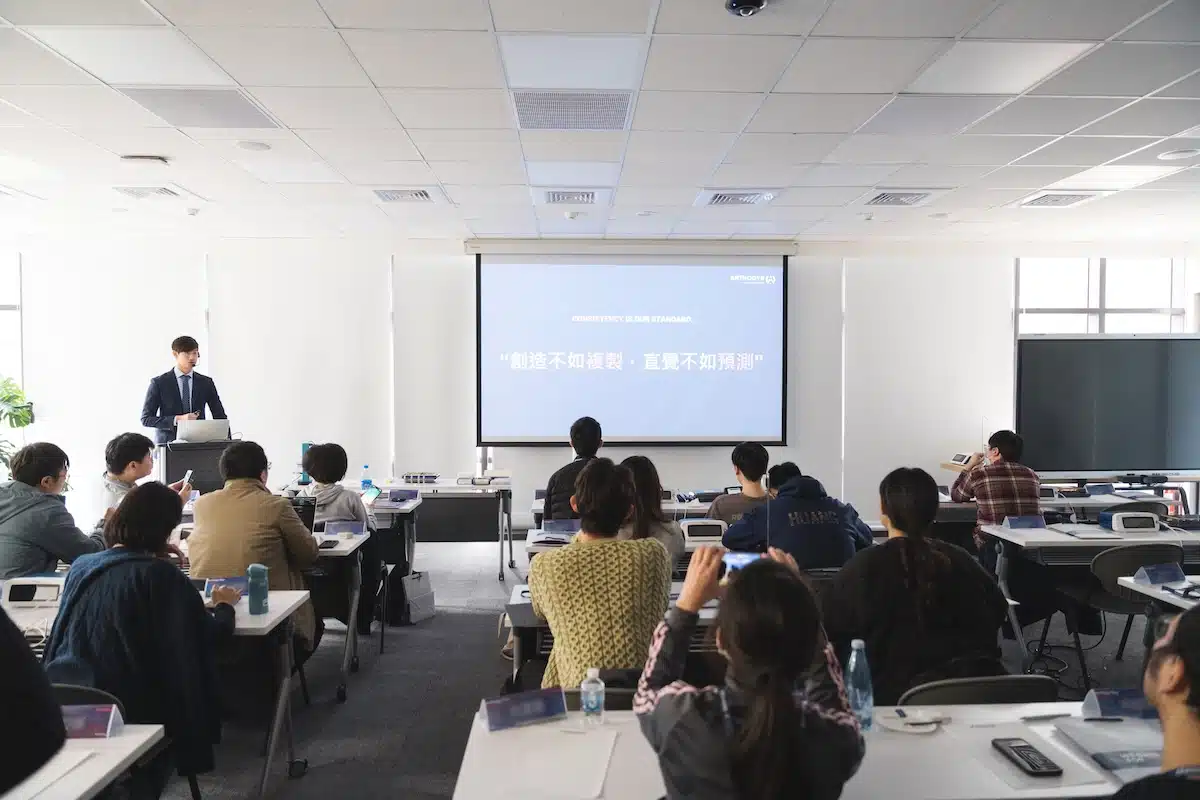
年初,在全球領先植體品牌 Straumann 士卓曼 舉辦的專業研習中,蒔美士卓曼植牙部主任紀皓雲醫師,受邀為牙醫同業進行臨床專題授課。
本次分享聚焦於「植體周圍軟組織」的長期穩定性。紀皓雲醫師結合最新國際研究與多年臨床觀察,深入說明在植牙治療規劃中軟組織所扮演的關鍵角色,並解析臨床上如何透過治療思維與策略的調整,為植牙建立更穩定、可長期維持的治療成果。
Earlier this year, during a professional training seminar hosted by Straumann, the global leader in dental implants, Dr. Hao-Yun Chi—Director of the Straumann Implant Department at Smile Dental—was invited to deliver a clinical lecture to fellow dental professionals.
The session focused on the long-term stability of peri-implant soft tissues. Integrating the latest international research with years of clinical observation, Dr. Chi provided an in-depth exploration of the critical role soft tissues play in implant treatment planning. He further analyzed how refined clinical mindsets and strategic adjustments can establish more stable and sustainable treatment outcomes for dental implants.
課程解析臨床新觀點 軟組織成影響植牙穩定關鍵
Soft Tissue Stability Emerges as a Key Factor in Implant Success
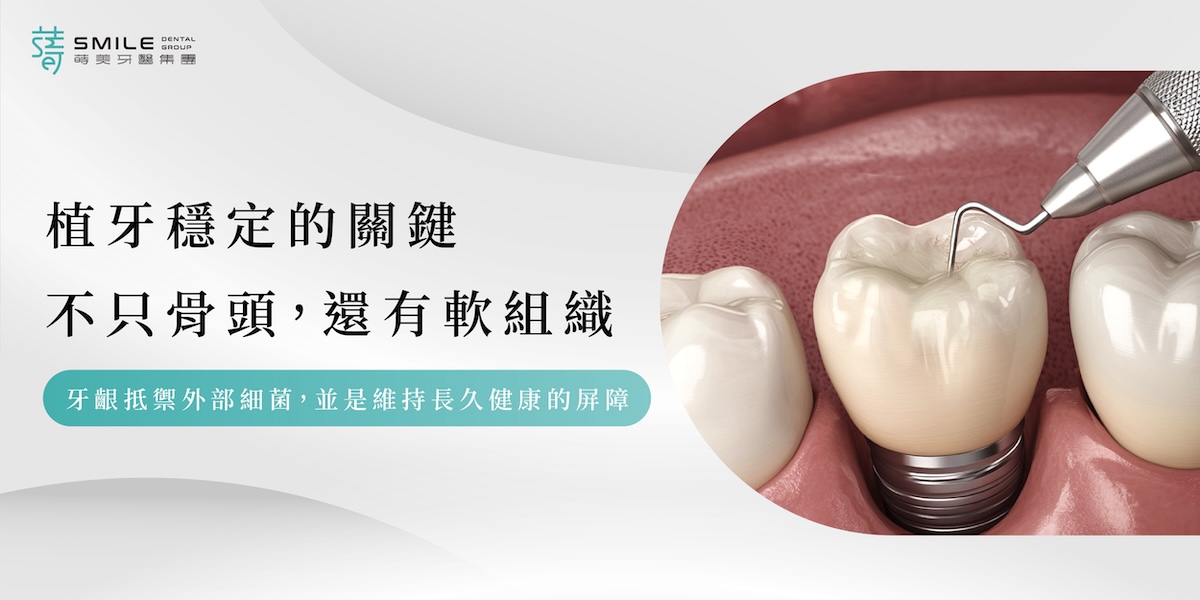
紀皓雲醫師在課程中指出,許多人談到植牙時,直覺會將焦點放在骨頭條件上。確實,骨量是否足夠、骨質狀態如何,會影響手術能否順利進行,也關係到植牙術後初期的穩定度。
然而,近年大量長期追蹤研究發現,多數情況下,植體本身並不一定會隨時間出現問題或脫落。真正影響植牙長期結果的,反而是植體周圍軟組織能否維持穩定。因此,在此次研習中,紀皓雲醫師結合最新研究與臨床案例,從不同面向反覆說明,軟組織管理如何成為影響植牙長期穩定與美觀的重要關鍵。
During the session, Dr. Hao-Yun Chi pointed out that when discussing dental implants, many instinctively focus on bone conditions. It is true that sufficient bone volume and density are critical for a successful surgical procedure and influence the primary stability immediately after implantation.
However, extensive long-term follow-up studies in recent years have revealed that, in most cases, the implant fixture itself does not necessarily fail or loosen over time. Instead, the real determinant of long-term success is the stability of the peri-implant soft tissues. Therefore, during this seminar, Dr. Chi integrated the latest research with clinical case studies to repeatedly illustrate how soft tissue management has become the decisive factor in ensuring the long-term stability and aesthetics of dental implants.
植體沒有牙周韌帶保護 醫師提醒重視牙齦生物屏障
Implants Lack the Protective Periodontal Ligament
課程中,紀皓雲醫師進一步說明,牙齦管理之所以重要,主要來自植體與天然牙之間的生物結構差異。
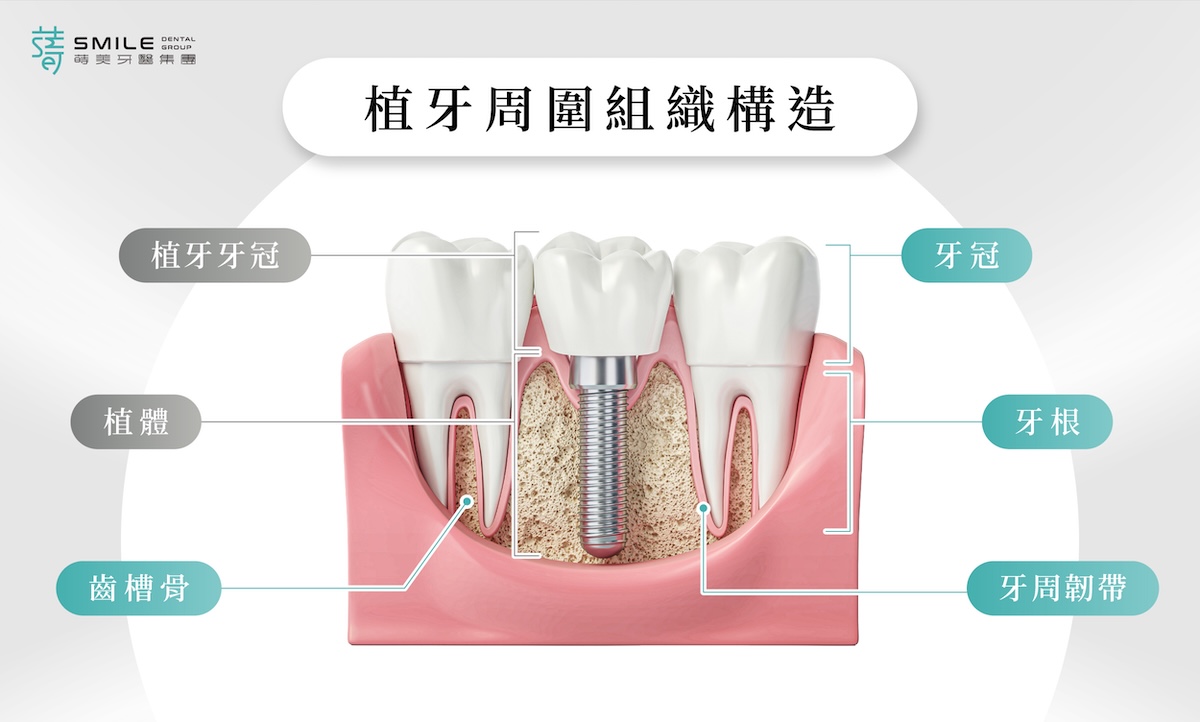
天然牙與骨頭之間存在牙周韌帶,可提供一定程度的緩衝與保護;但植體並沒有牙周韌帶,主要仰賴牙齦黏膜(peri-implant mucosa)所形成的生物屏障。若這道屏障長期處於發炎或封閉不穩的狀態,影響可能逐漸向深層擴散,最終仍會反映在骨頭的變化上。
因此,紀皓雲主任建議與會醫師,在植牙治療規劃初期,即應將軟組織納入整體考量,以降低日後額外補救所需的時間與治療成本。
During the course, Dr. Hao-Yun Chi further explained that the critical importance of gingival management stems from the fundamental biological differences between dental implants and natural teeth.
Natural teeth are connected to the alveolar bone via the periodontal ligament (PDL), which provides a degree of cushioning and protection. In contrast, implants lack this ligament and rely entirely on the biological barrier formed by the peri-implant mucosa. If this barrier remains in a state of chronic inflammation or is structurally unstable, the impact can gradually spread to deeper levels, eventually manifesting as bone resorption.
Therefore, Director Chi advised the attending clinicians that soft tissue considerations should be integrated into the initial treatment planning of dental implants. By doing so, clinicians can significantly reduce the time and treatment costs associated with complex remedial procedures in the future.
植體設計如何影響軟組織?醫師解析 Tissue Level 應用
How Implant Design Influences Soft Tissue Stability
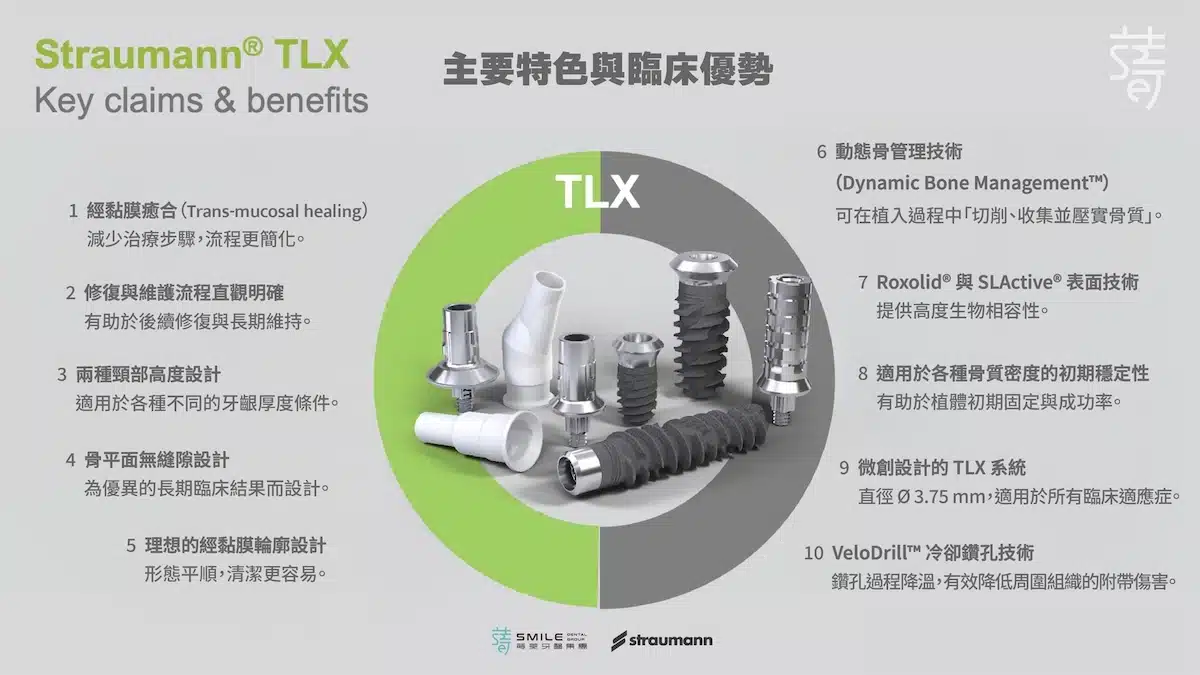
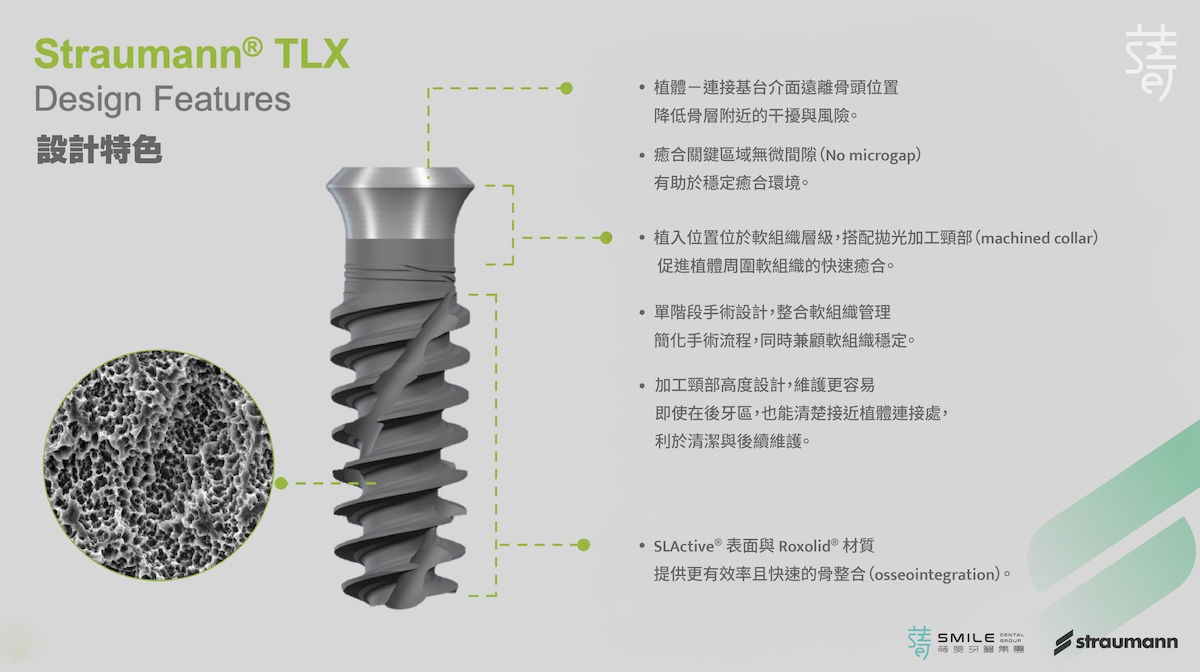
課程現場,紀皓雲醫師也進一步分享實際作法,在植牙治療規劃中,如何從長期使用的角度出發,進行整體性的設計思考。
例如:假牙完成後的清潔動線是否友善,以及牙齦厚度與組織支撐是否充足,都是治療規劃的重要考量。
此外,植體與結構轉換點的位置設計同樣關鍵。因此,在許多情況下,他會優先考慮 Tissue Level 設計,這樣的設計能讓牙齦組織處於相對穩定的環境。當主要結構轉換位置更接近牙齦邊緣時,潛在刺激來源也能遠離牙齦下方較敏感的區域。
During the course, Dr. Hao-Yun Chi shared practical clinical approaches, illustrating how to implement holistic design thinking in implant treatment planning from the perspective of long-term durability.
For instance, critical considerations in his planning include whether the cleansing pathways are patient-friendly once the prosthesis is completed, and whether the gingival thickness and tissue support are sufficient.
Furthermore, the positioning of the implant-abutment interface (connection point) is equally crucial. In many cases, Dr. Chi prioritizes the Tissue Level design. This approach allows the gingival tissue to remain in a relatively stable environment. By shifting the primary structural transition closer to the gingival margin, potential sources of irritation are kept away from the sensitive areas beneath the gum line.
從十年穩定看治療規劃 醫師談植牙觀念的轉變
Rethinking Implant Dentistry Through Long-Term Stability

紀皓雲醫師指出,植牙治療是一項需要長期維護的醫療過程。臨床評估的重點,不只在手術當下是否順利完成,更要觀察十年、甚至二十年之後,植牙是否仍能維持穩定與健康。希望透過課程交流與臨床經驗分享,與更多醫師共同討論植牙長期穩定的治療思維,持續累積臨床經驗與研究成果,讓植牙治療在未來能為患者帶來更長久且穩定的治療效果。
Dr. Chi emphasized that implant treatment is a long-term commitment. The real measure of success is whether implants remain stable ten or even twenty years later.He hopes ongoing professional exchange will continue to improve the quality of implant care.