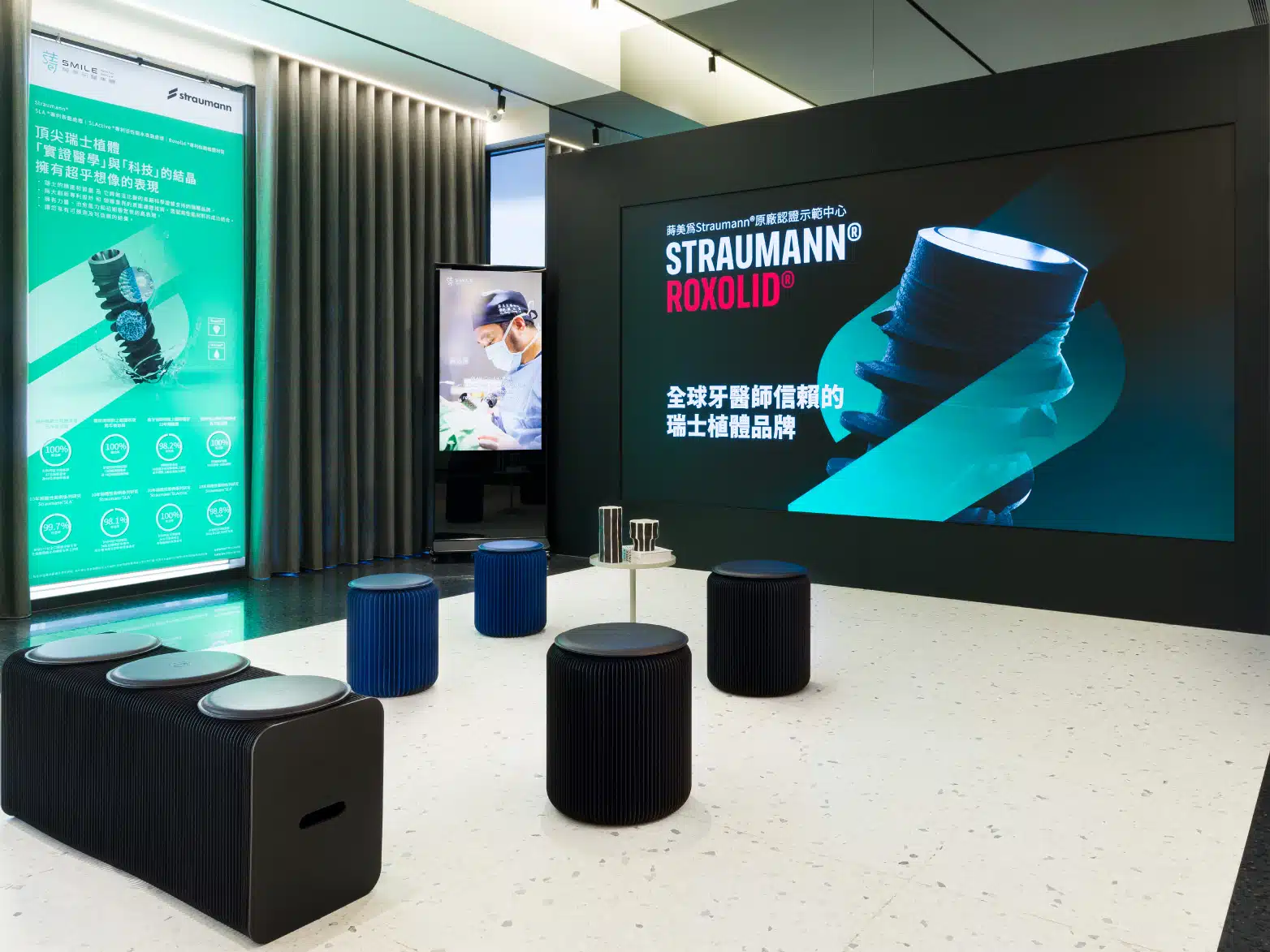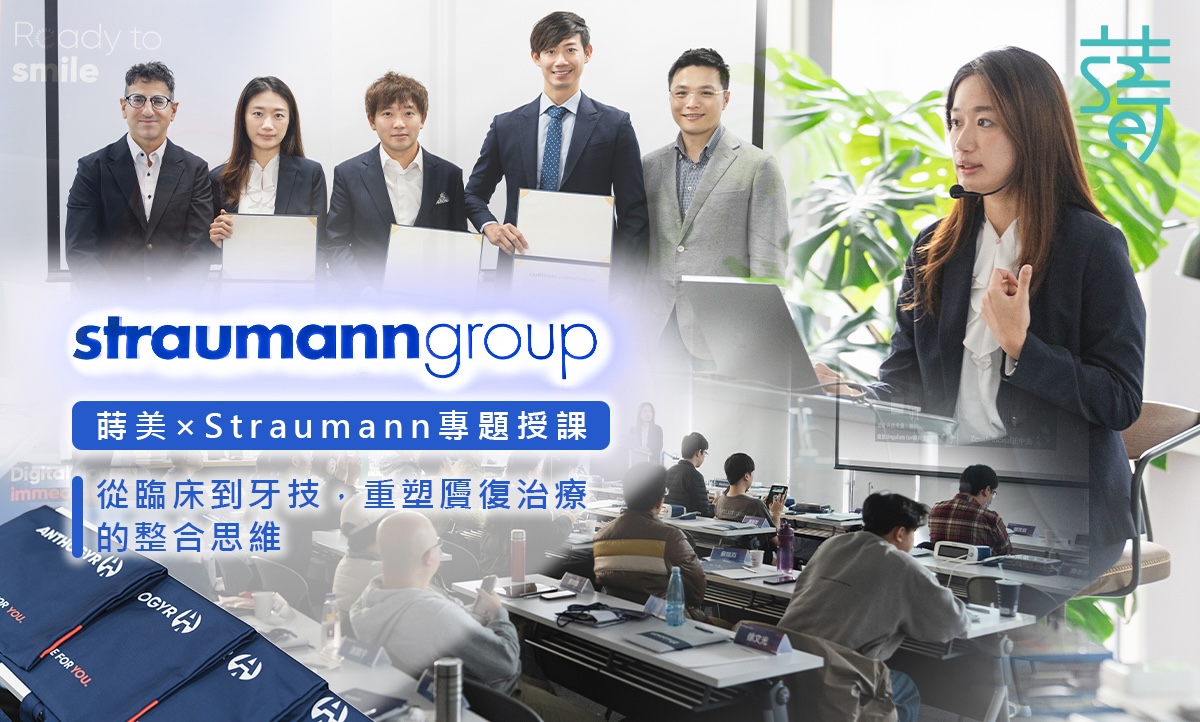
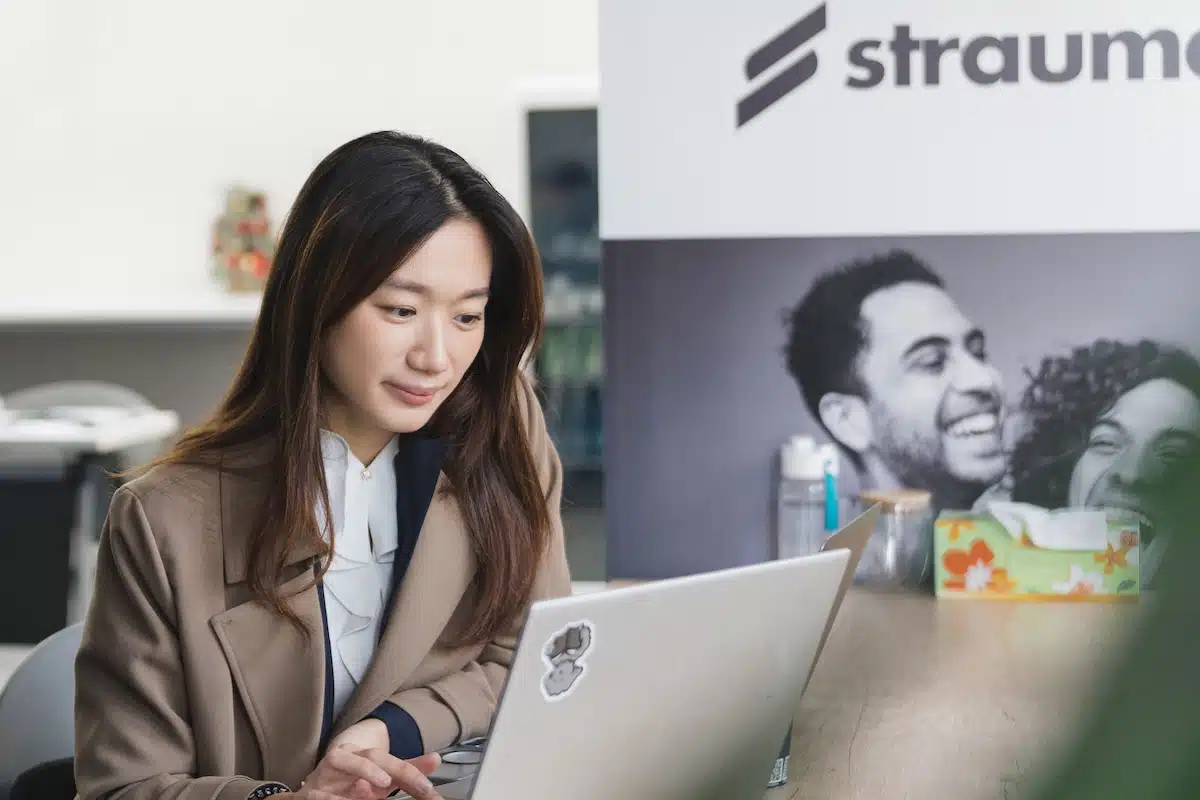
蒔美聯手全球頂尖植體品牌 Straumann 士卓曼 展開專題授課,活動來到第三波登場,由蒔美數位牙技部部長分享臨床端與牙技端之間的整合策略。
傳統上,牙技師多被視為臨床治療的後勤角色;但在蒔美的治療體系中,牙技師並不只是後端支援,而是整個療程中重要的一線夥伴。
透過牙技部部長的分享,現場與會的牙醫師也更進一步理解,牙技師在整體贗復設計與植牙美學中所扮演的關鍵角色。當牙技專業被妥善納入治療流程,不僅能提升溝通效率,更有助於整體贗復品質的穩定與精準。
Smile Dental, in collaboration with the global implant leader Straumann, continues its lecture series at the Taiwan headquarters.In the third session, the Head of Digital Dental Laboratory shared insights on integrating clinical and technical workflows.
Traditionally, dental technicians have been seen as a back-end support role.At Smile Dental, however, they are positioned as essential partners throughout the treatment process.
Through the session, participating dentists gained a deeper understanding of the technician’s role in restorative design and implant aesthetics.When their expertise is fully integrated into treatment planning, overall restorative quality can be significantly enhanced.
從後端製作到前線參與 牙技角色的重新定位
From back-end production to front-line collaboration
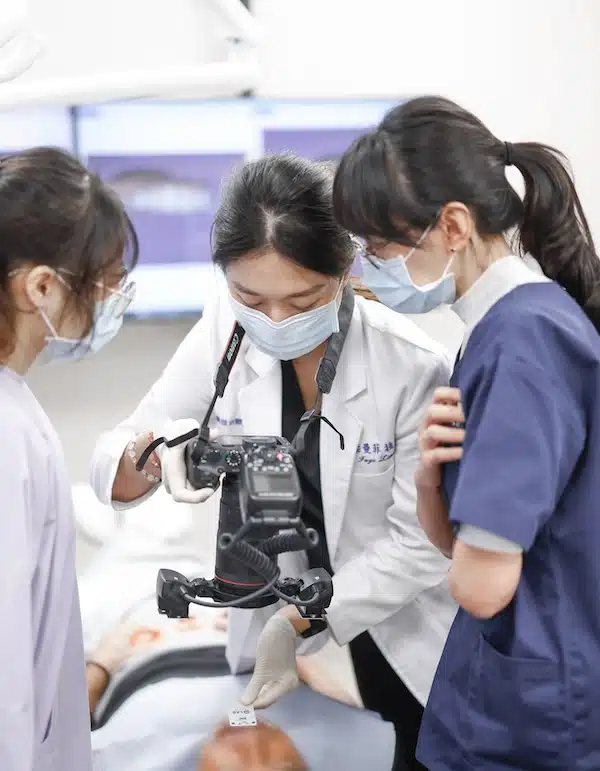
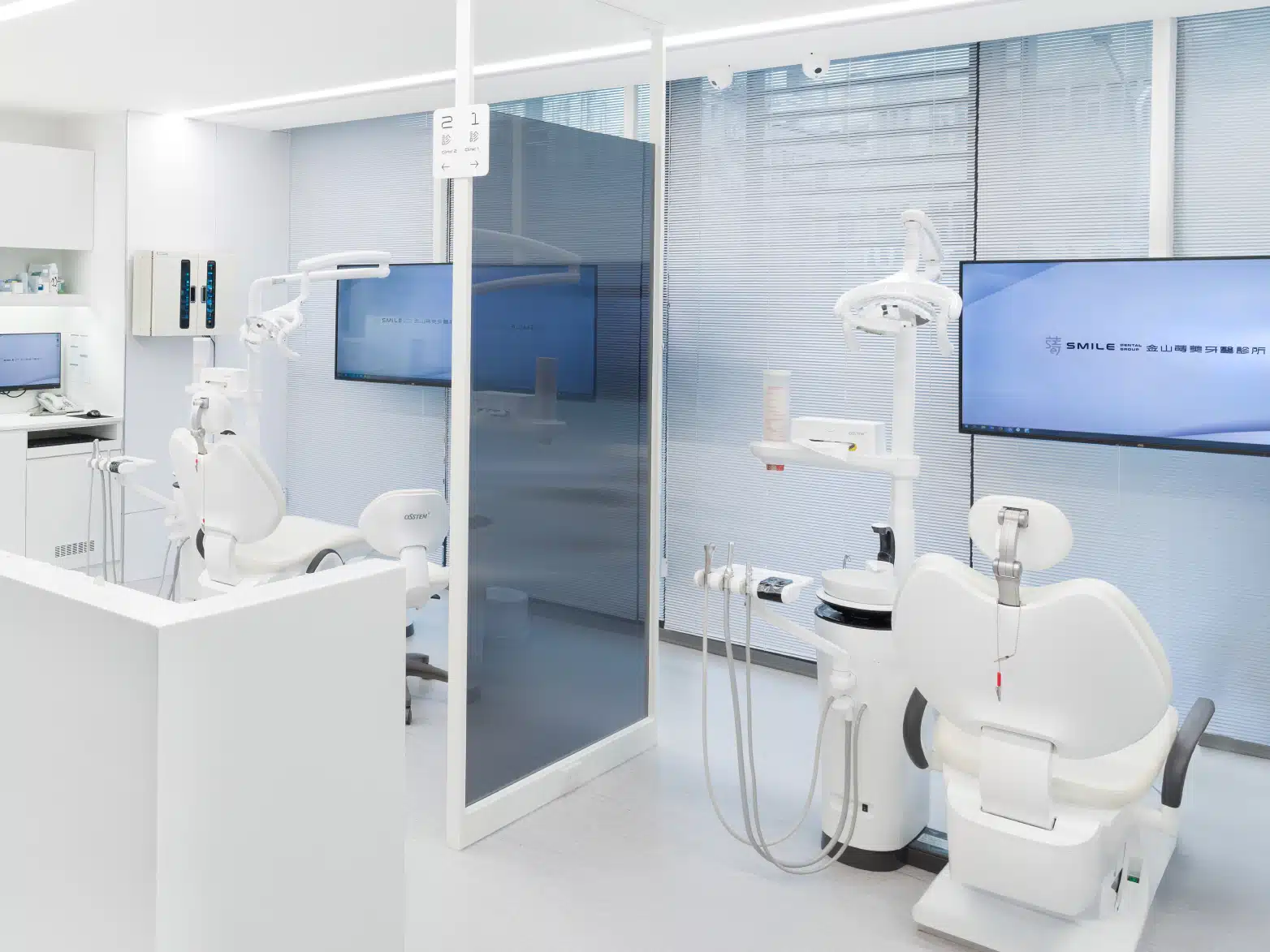
傳統上,牙醫臨床端與牙技端多採取分地作業的模式,彼此之間往往需透過來回溝通完成製作與調整。然而在蒔美體系中,牙體技術已被整合納入診所運作之中。牙技師不再只是遠端參與,而是進入現場,與醫師共同進行診斷,使每一個細節都能在當下被精準校正。
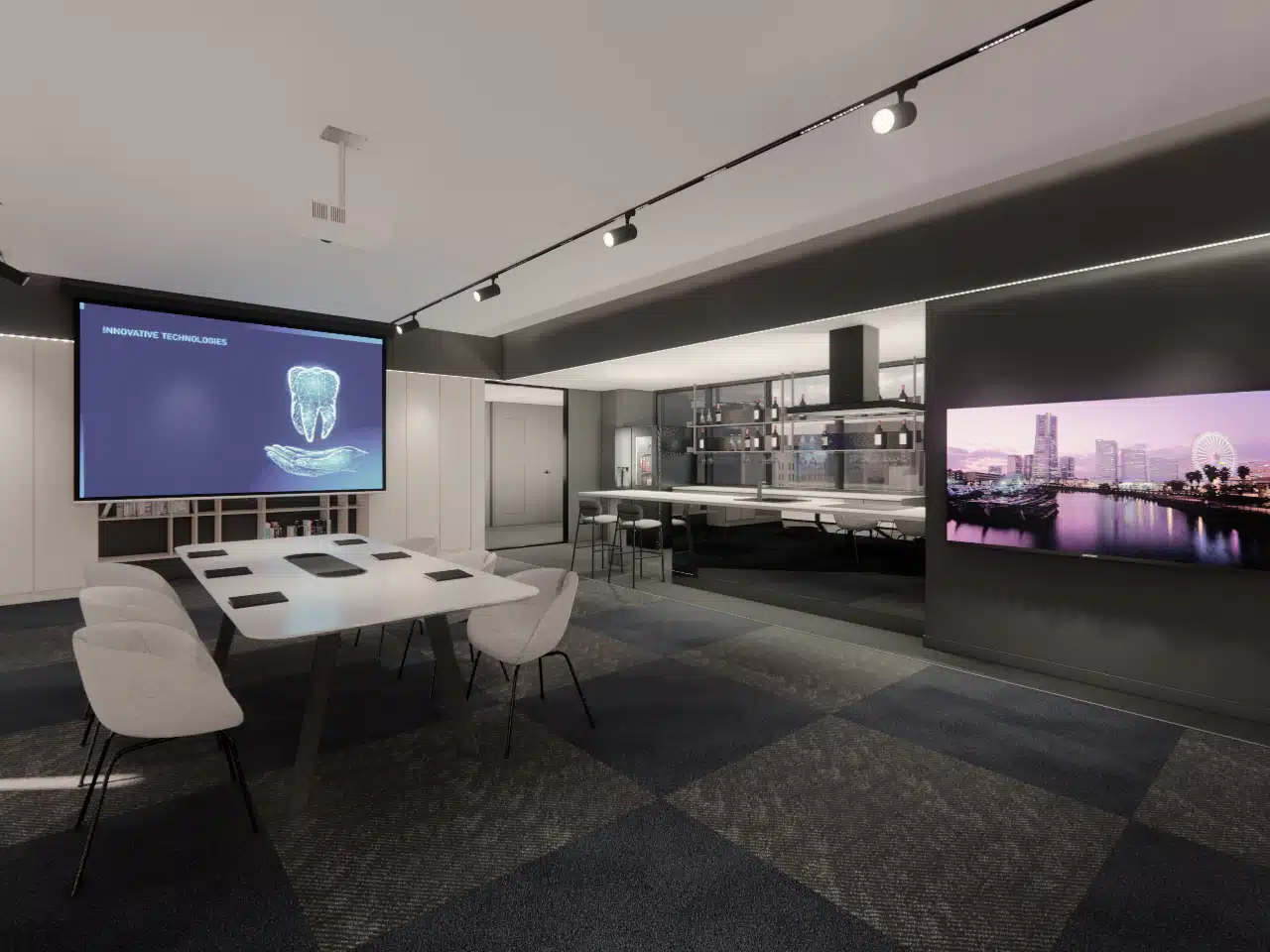
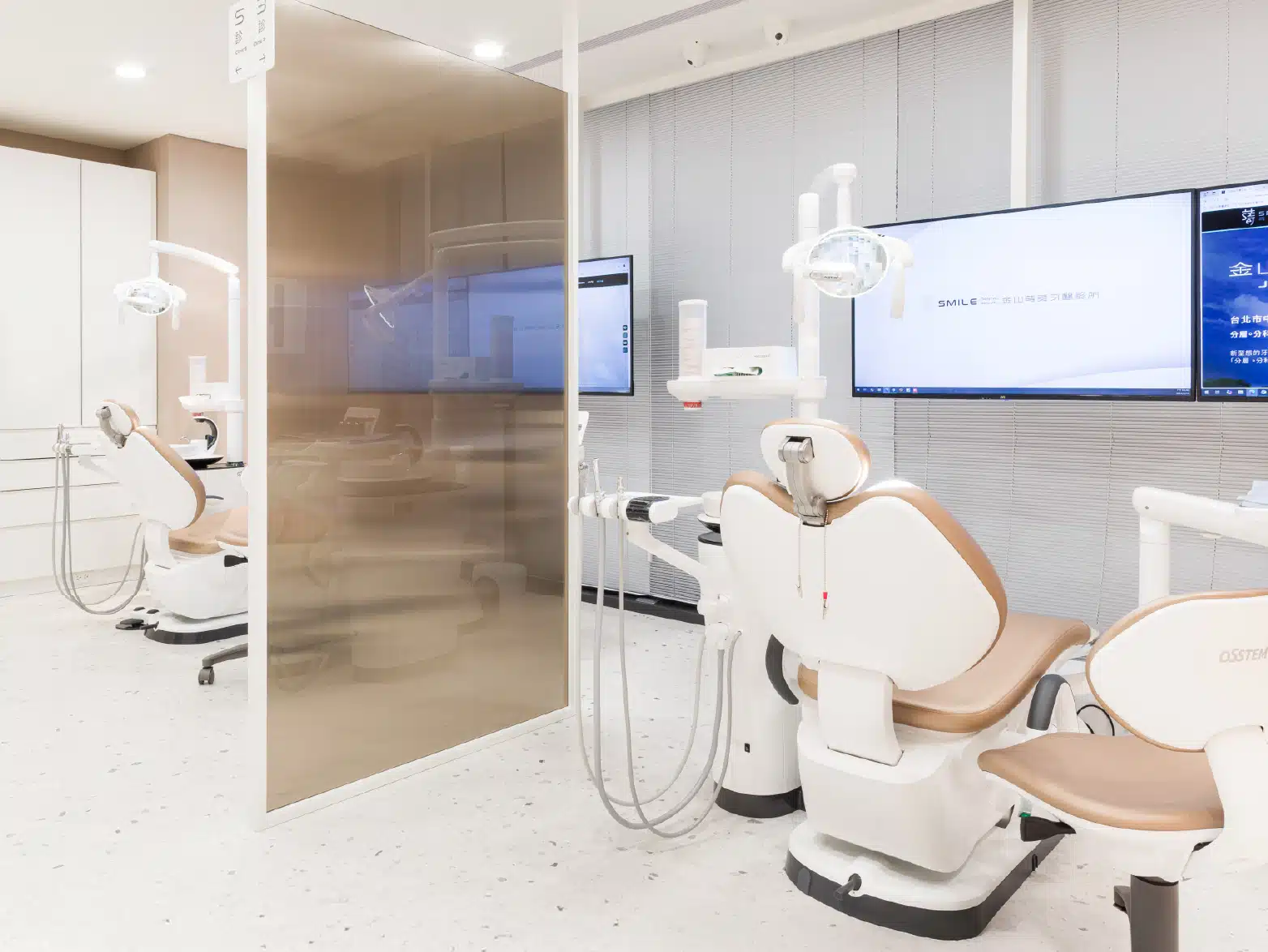
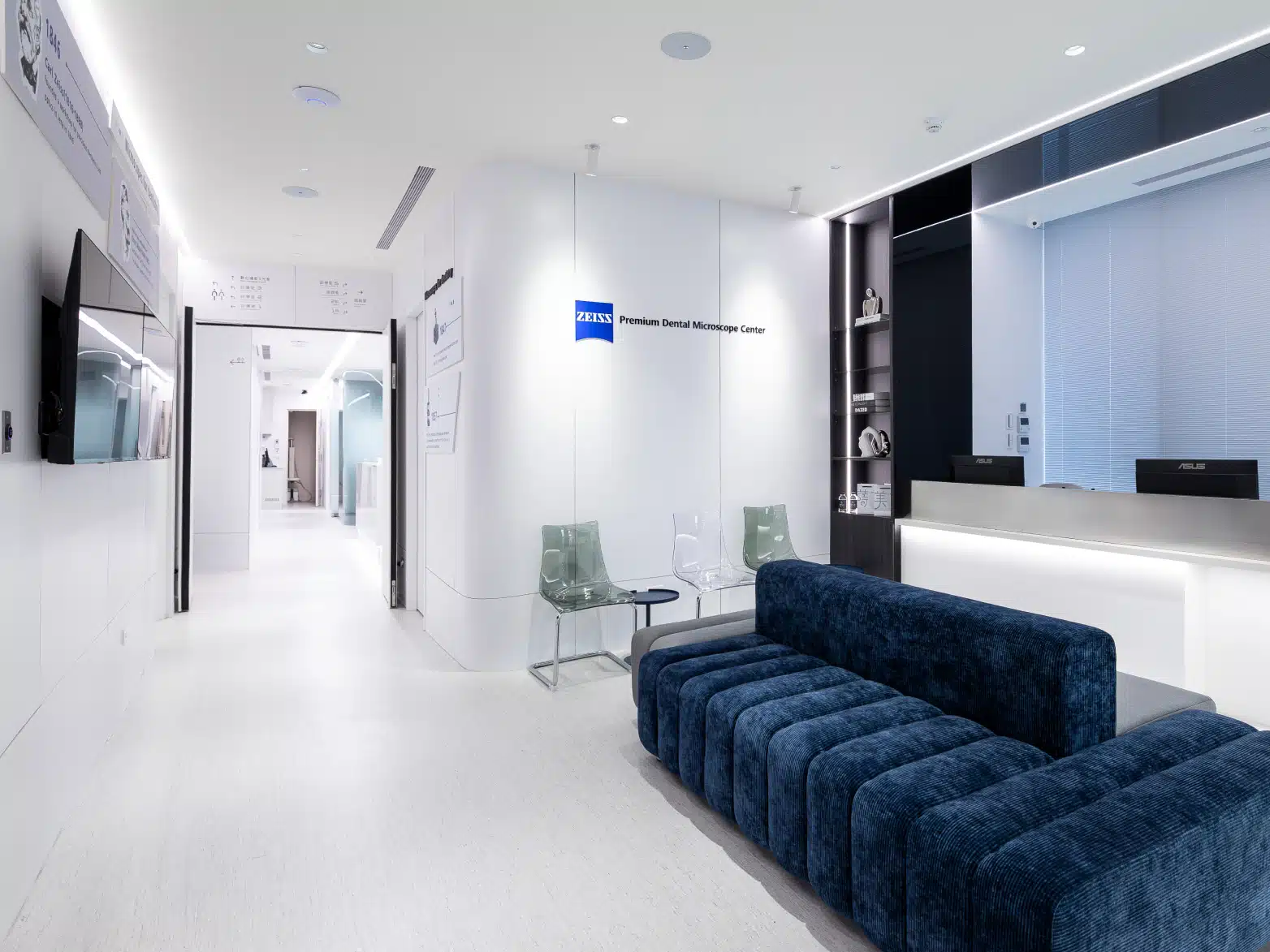
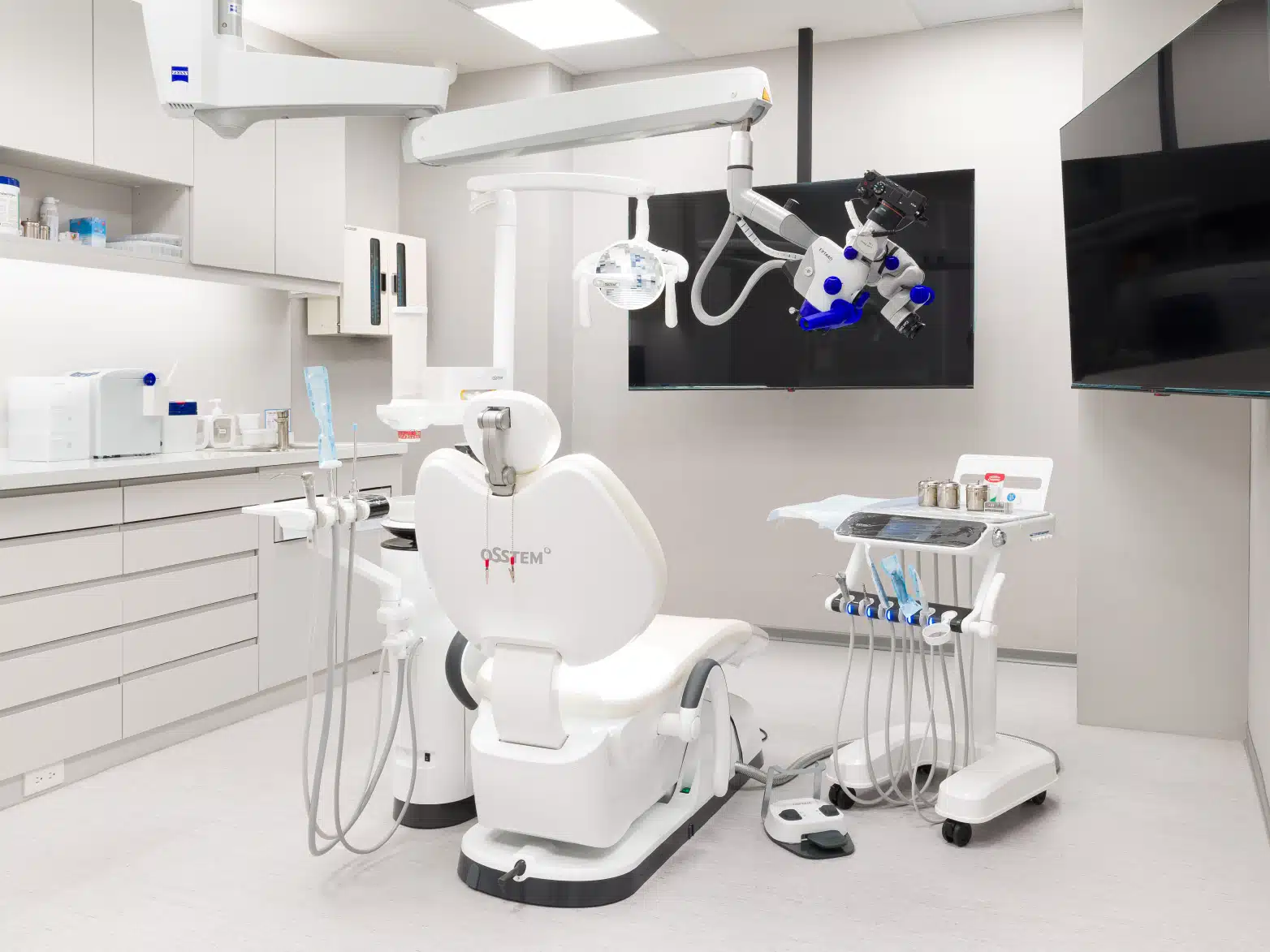
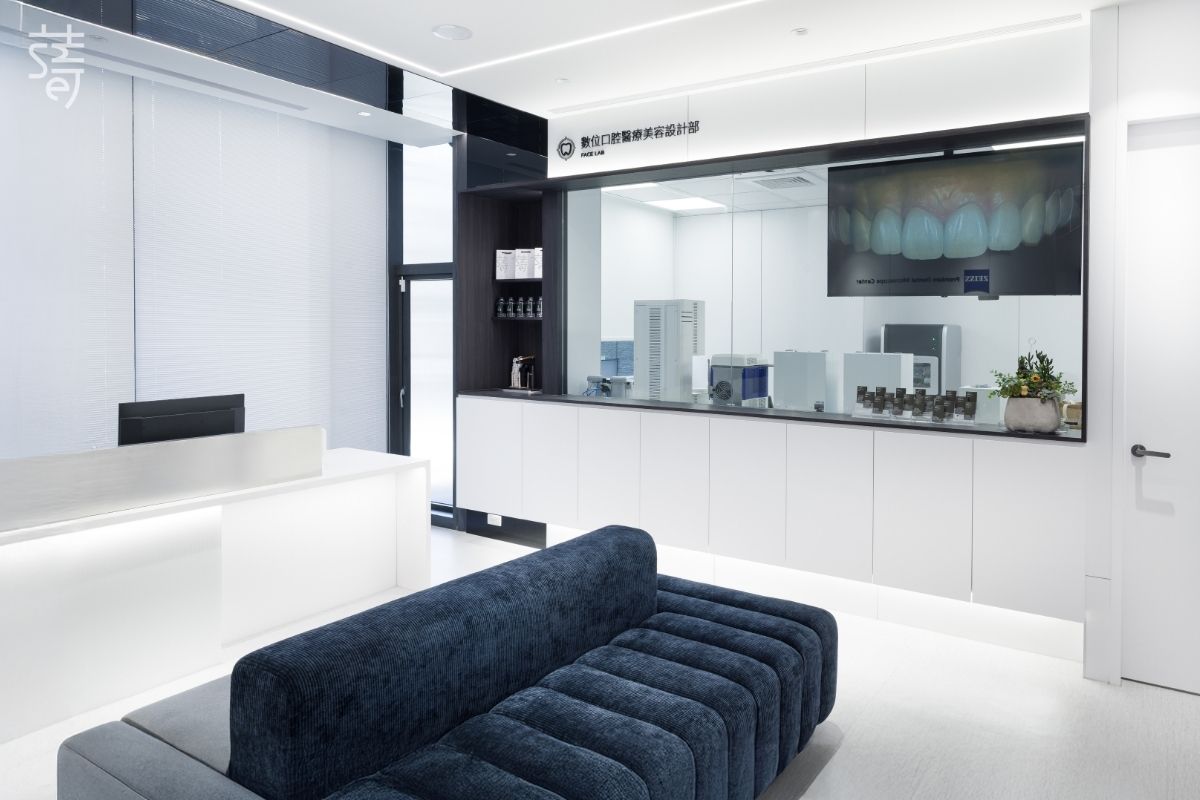
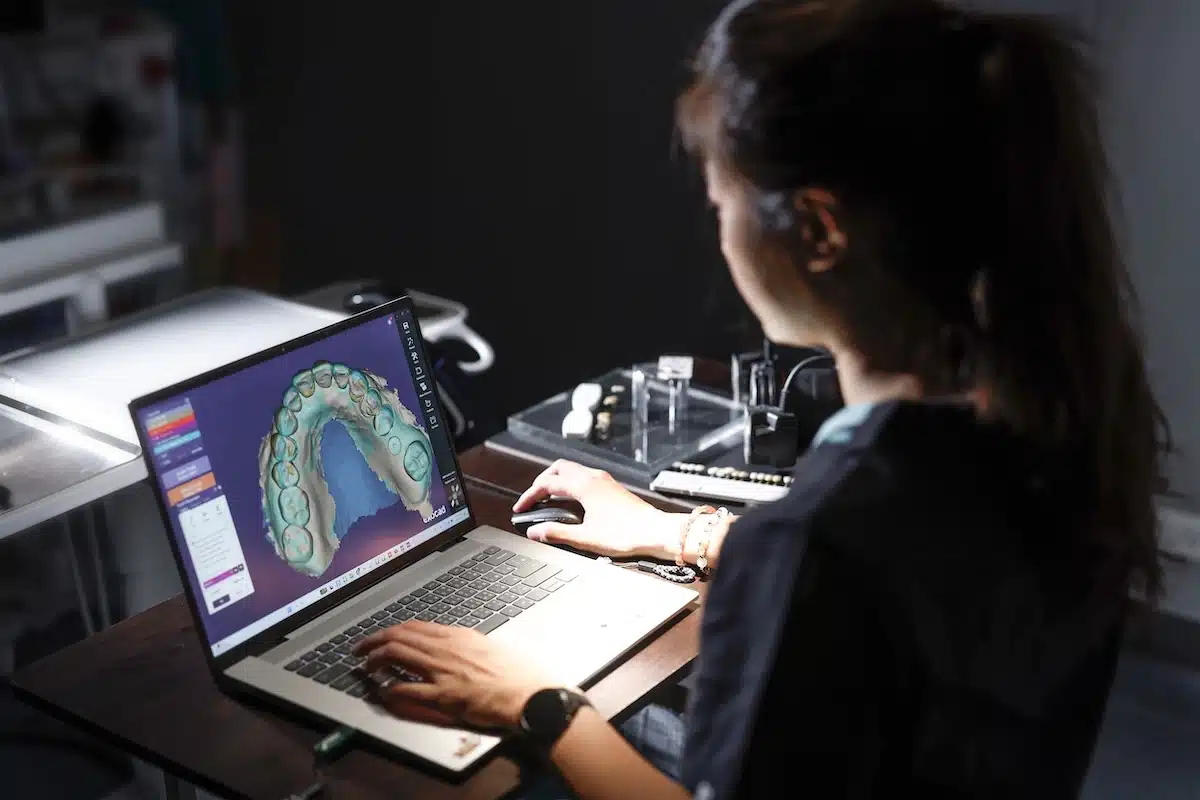
牙技部部長進一步說明,蒔美數位牙體技術中心直接設置於診間空間之中,如同一座與臨床端緊密連動的實驗室,讓設計與製作之間得以無縫銜接。設計與製作不再分離,而是同步進行,從診斷、設計到製作的每一個環節,都能在現場即時溝通與修正,同時降低因資訊落差所帶來的誤差,使最終成果得以更精準地呈現。
Clinical and laboratory workflows have traditionally operated in separation. At Smile Dental, the dental lab is fully integrated within the clinic, allowing technicians to participate chairside and contribute in real time—enhancing both precision and aesthetics.
The digital lab is built directly into the clinical space, functioning like an extension of the operatory. From diagnosis to design and fabrication, every step is closely aligned, enabling seamless communication and more precise outcomes.
全數位牙技流程啟動 ,讓設計精準實現
A fully digital workflow, where design becomes reality
在此次課程分享中,牙技部部長也特別談到,數位牙科技術對於贗復品質所帶來的關鍵影響。
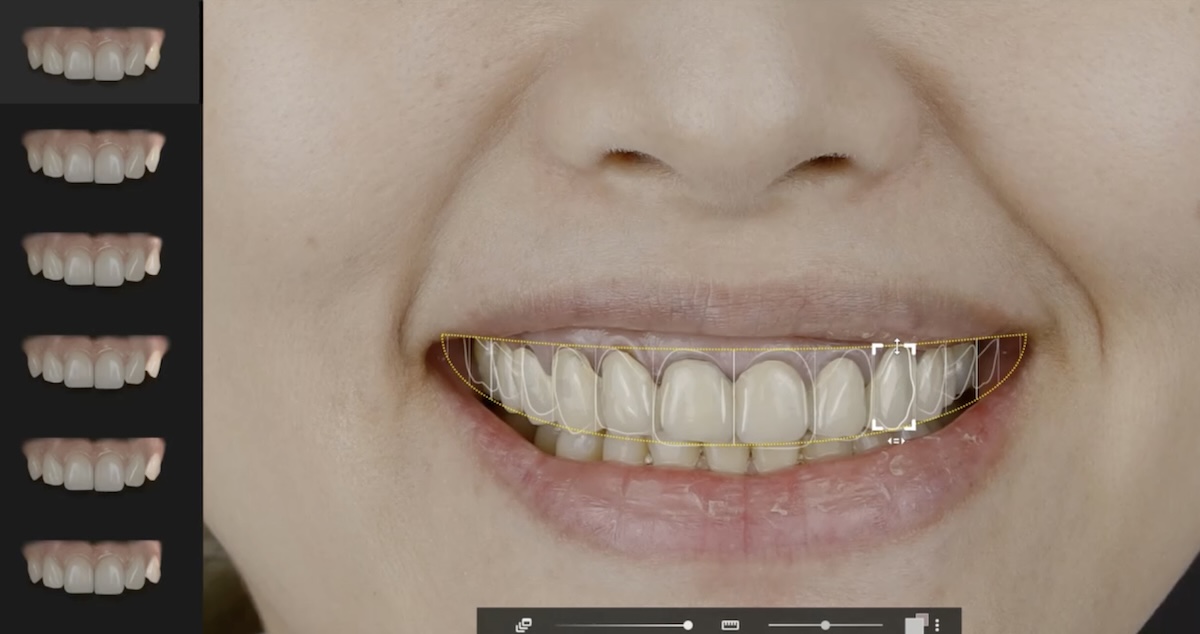
在實際案例中,牙技團隊會運用數位 copy 技術,將患者在暫時牙階段逐漸成熟的牙齒輪廓完整保留下來,並延續至最終贗復物的設計之中。這樣的過程,不只是複製形態,更能夠將患者在適應過程中所形成的功能與美學,精準地轉移到最終成果。
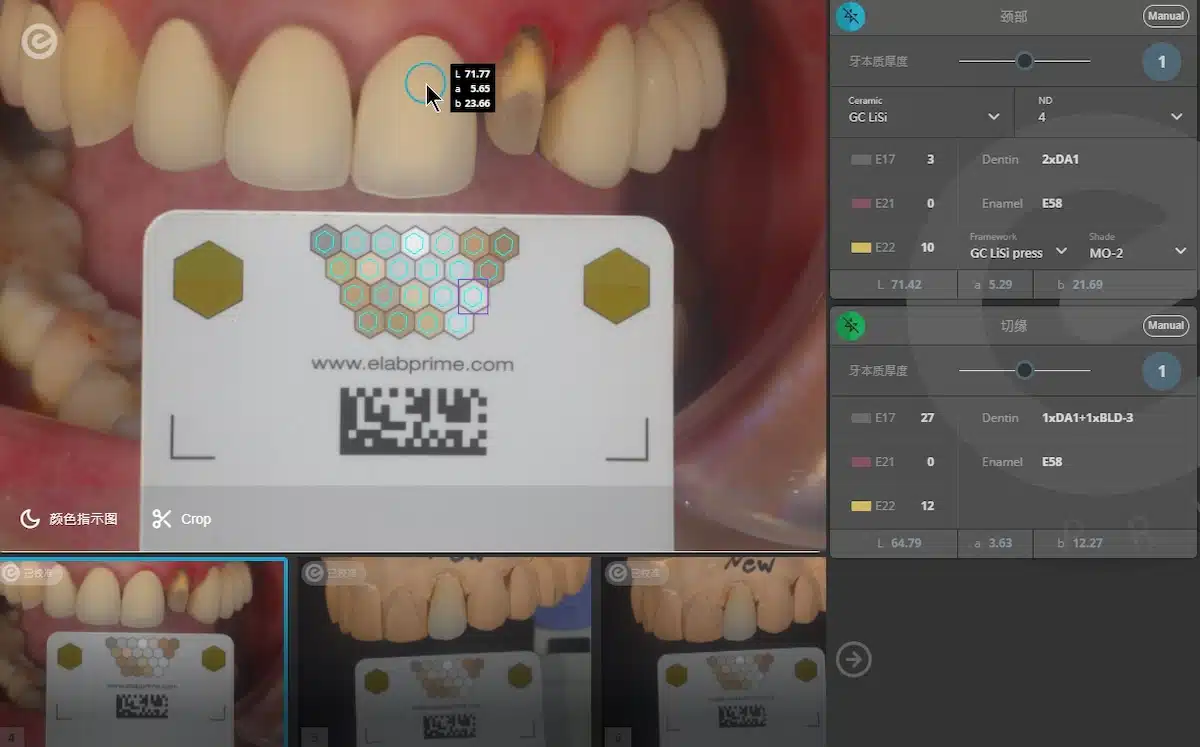
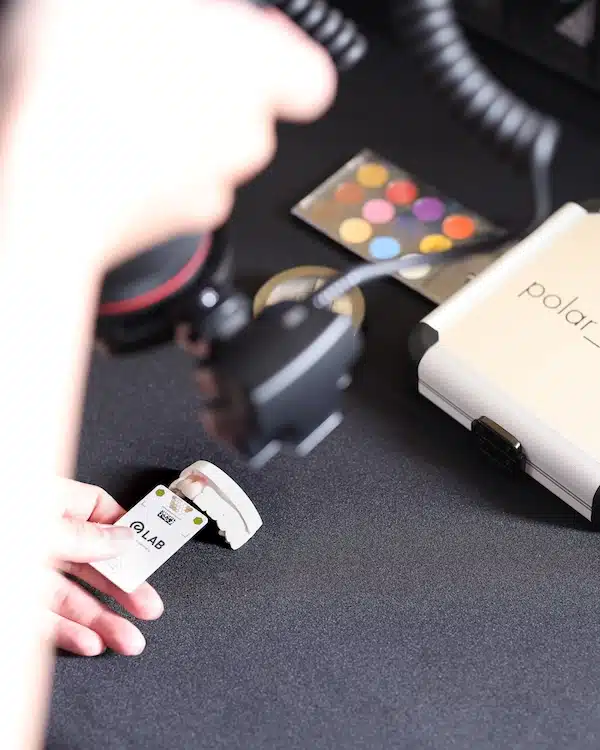
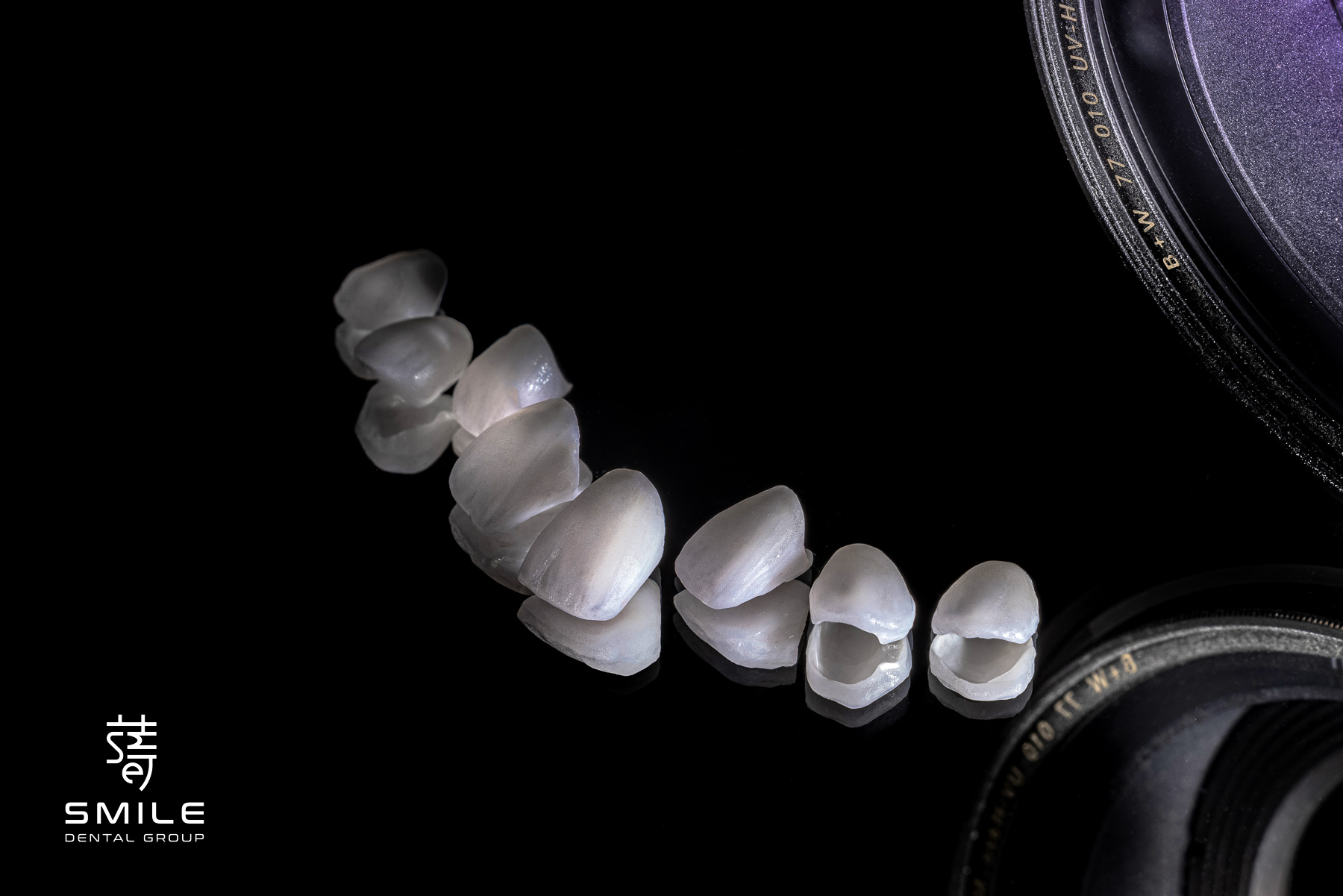
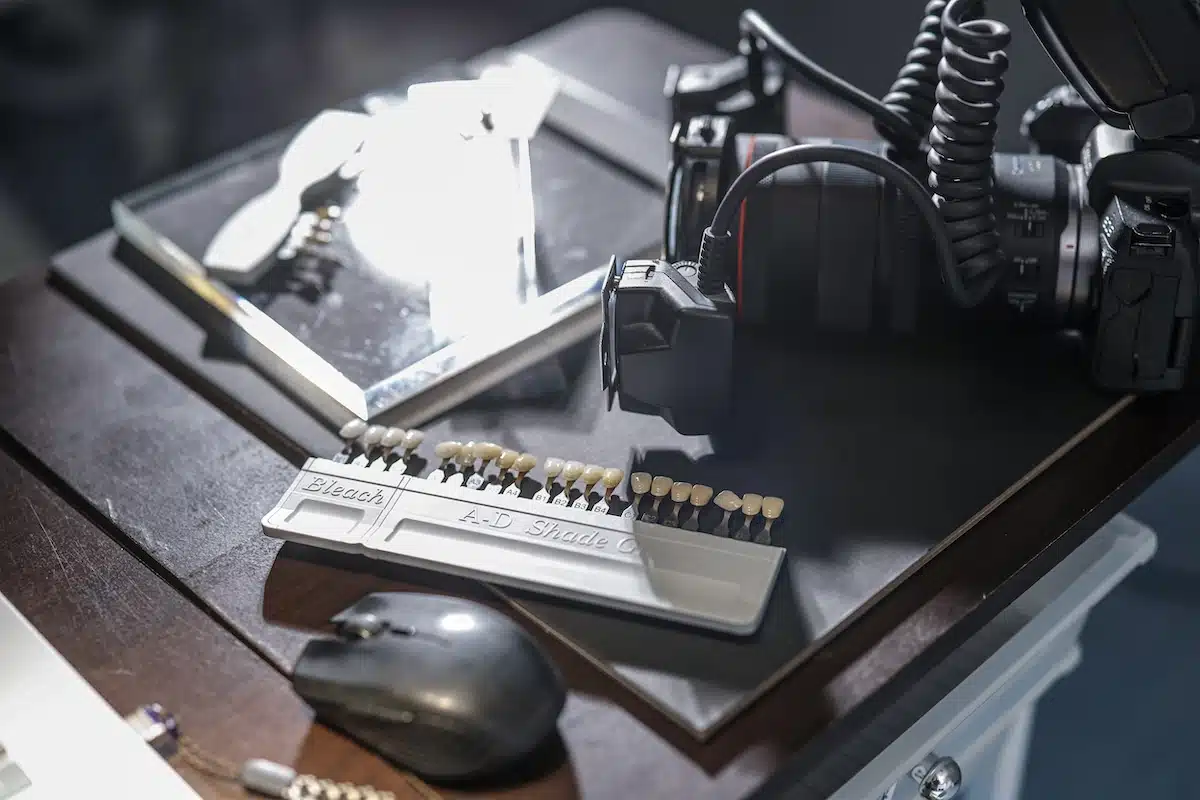
同時,結合數位比色系統與分層陶瓷技術,細緻重現牙齒在自然光下的色澤變化與光學層次,使完成後的贗復物在形態與色澤上,都更貼近天然牙的表現。
會中,部長再三強調全數位流程的重要性。從臨床端的資料取得、數位設計,到牙技端的製作與調整,皆可在數位系統中完成整合。相較於傳統流程,全數位化不僅提升整體效率,也讓臨床端的設計理念,能更準確地被轉譯並落實於最終成果之中。
During the session, the Head of the Dental Laboratory specifically highlighted the critical impact of digital dental technology on the quality of prosthetics.
In clinical practice, the dental technician team utilizes digital copy technology to fully preserve the tooth contours that have matured during the temporary bridge stage, carrying them forward into the final prosthetic design. This process is more than mere replication; it precisely transfers the functional and aesthetic adaptations the patient developed during the trial phase into the final result.
Furthermore, by combining digital shade-matching systems with layered ceramic techniques, we meticulously recreate the subtle color transitions and optical layers of teeth under natural light. This ensures the final restoration closely mimics the appearance and vitality of natural teeth in both form and hue.
The Head of the Laboratory repeatedly emphasized the importance of a fully digital workflow. From clinical data acquisition and digital design to laboratory fabrication and adjustments, every step is integrated within a unified digital system. Compared to traditional workflows, full digitalization not only enhances overall efficiency but also ensures that the clinician's design philosophy is accurately translated and realized in the final outcome.
那「一點點」的偏差,就是贗復品質差距
That “little difference” is what defines the outcome
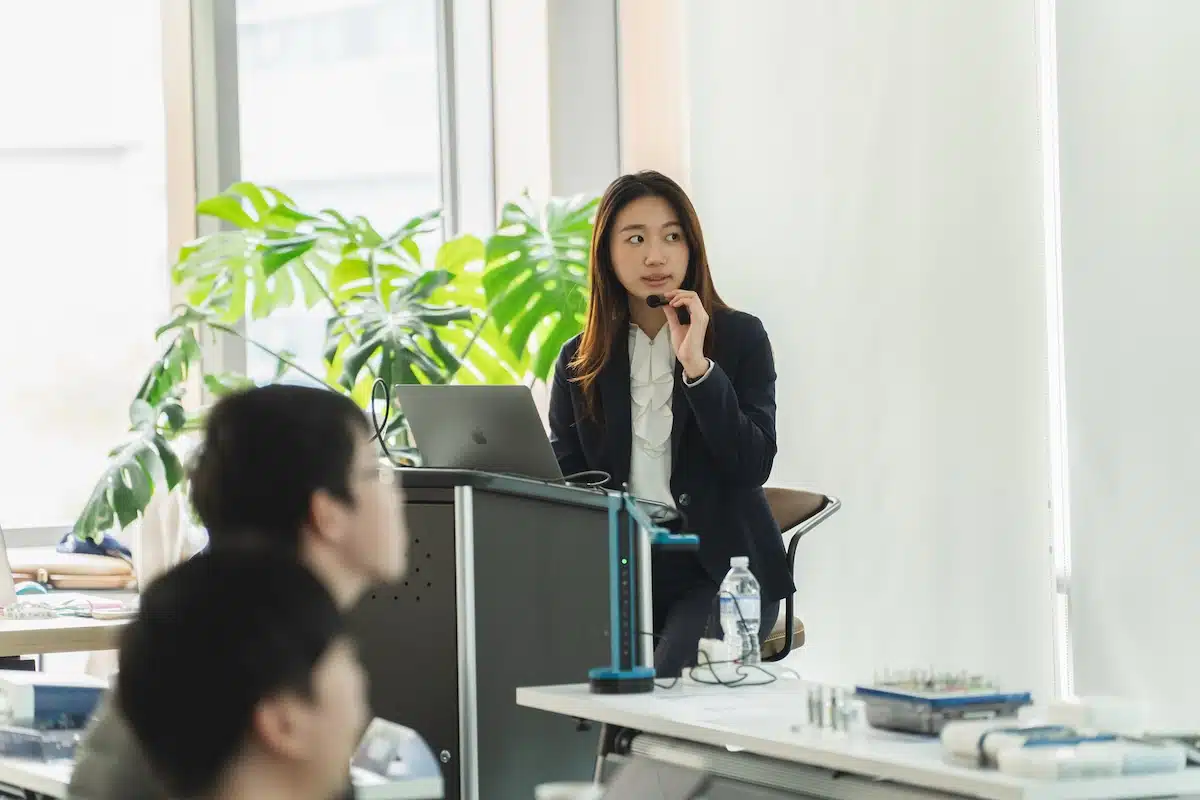
牙技部部長在活動尾聲進一步總結,他在長期的臨床與牙技協作經驗中發現,影響品質與美觀的關鍵,往往並非來自單一明顯的錯誤,更多時候,是細微偏差在過程中逐步累積的結果。
那些看似「一點點」的不理想,往往會帶來深遠的影響。而當牙技師能更深入且完整地參與治療過程,這些細微差異便有機會在過程中被逐步修整,使最終成果更加穩定,也更令人安心。
As the session drew to a close, the speaker reflected on a key observation: what shapes quality and aesthetics is rarely a single major error, but the accumulation of small deviations over time. These subtle imperfections—often just “a little off”—are what ultimately define the outcome.
With deeper and more continuous collaboration between clinicians and technicians, these differences can be refined along the way, leading to more stable and predictable results.