我們為什麼堅持使用 Tissue Level,只為了 10 年後依然穩定。
Why we insist on using Tissue Level implants: Because we strive for stability that lasts beyond a decade.
在前牙美學區,植牙的挑戰,早已不是手術當下能否順利成功,關鍵在十年之後。10 年後,牙齦是否還在原來的位置?牙齦是否依然完整?微笑是否仍然自然?
In the anterior esthetic zone, the challenge of dental implants is no longer just about surgical success at the moment; the true test comes ten years down the line. Ten years from now, will the gum line remain in its original position? Will the interdental papillae stay intact? Will the smile still look natural?
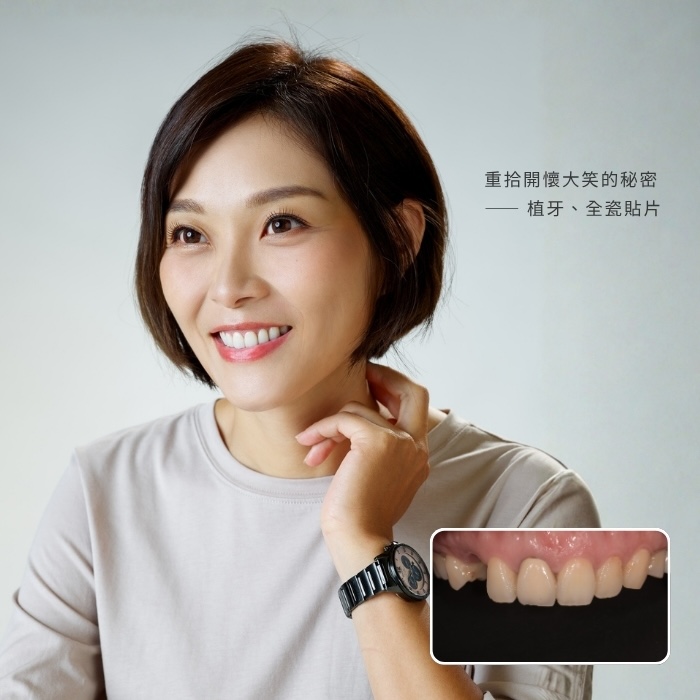
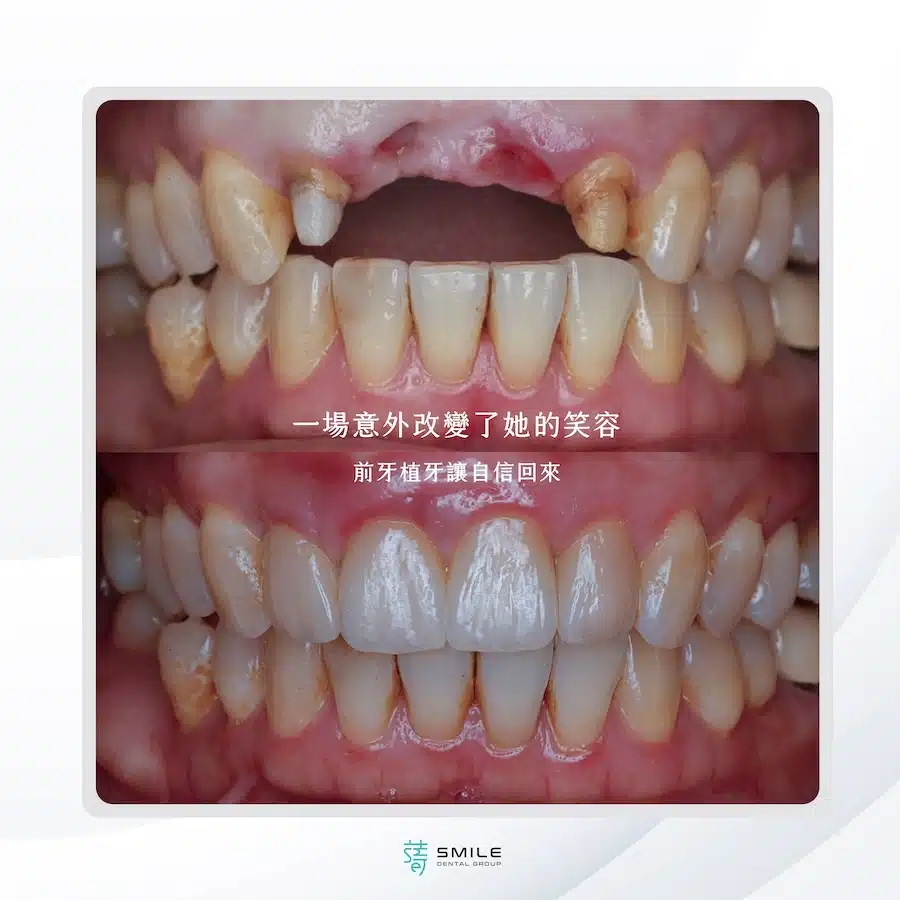
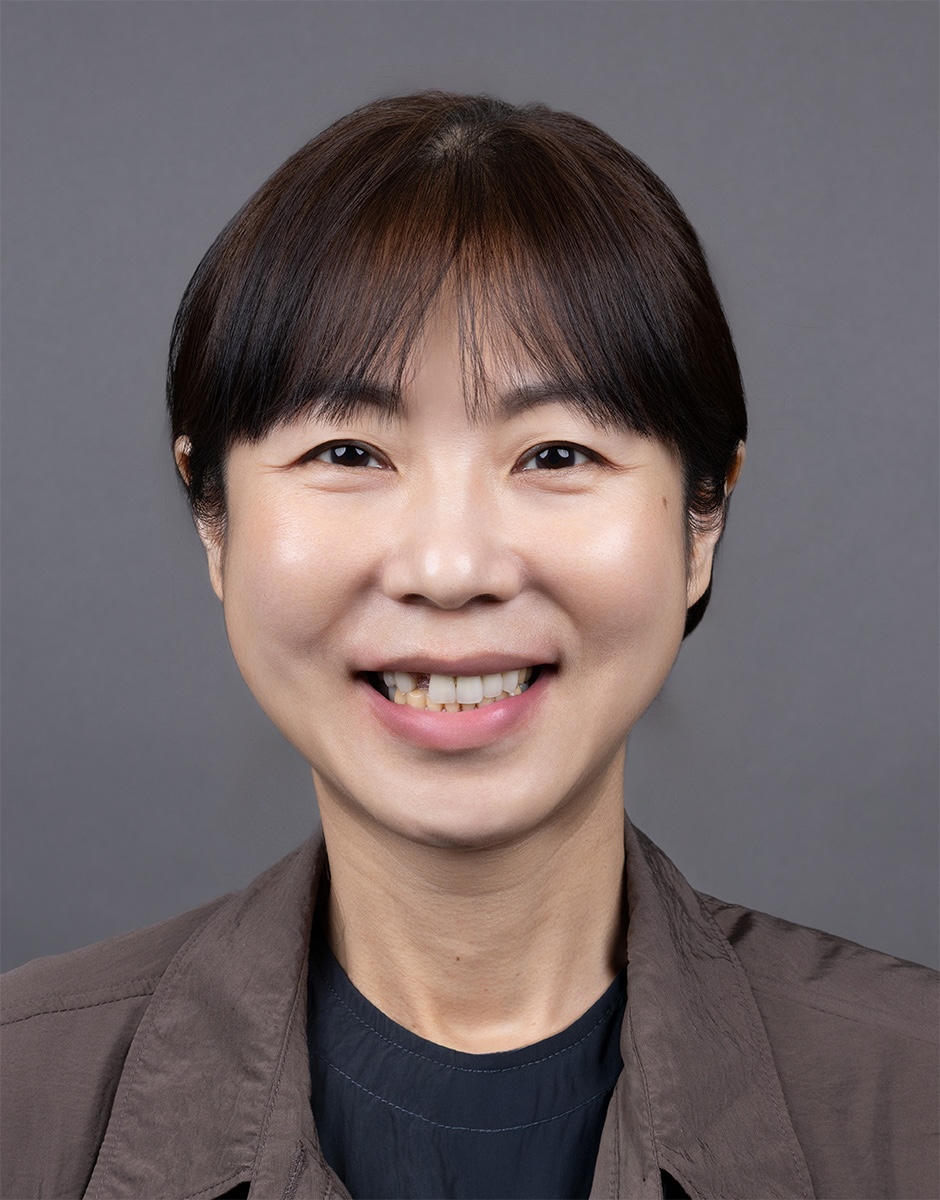
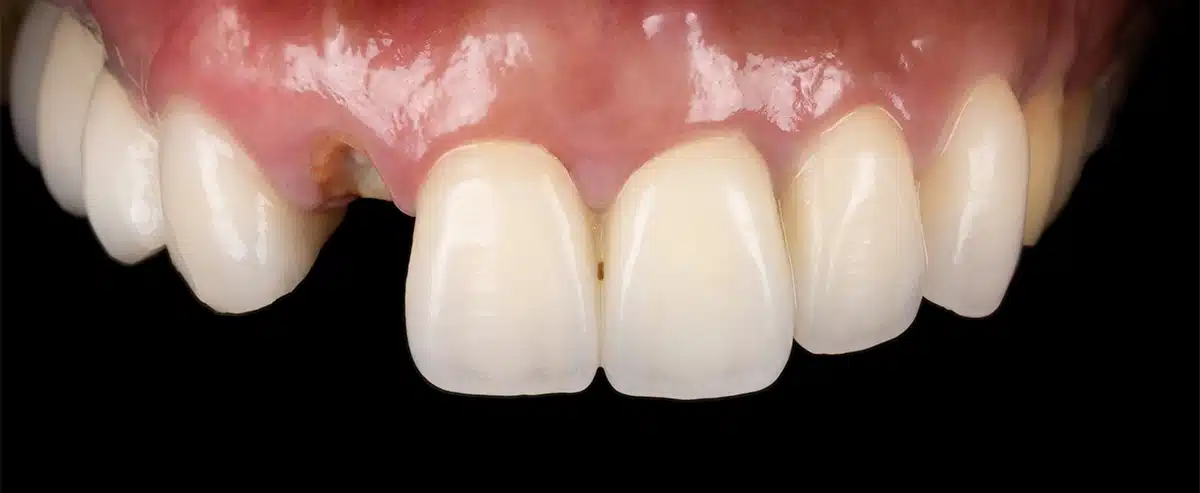
王小姐右上側門牙因外傷斷裂就診。若只看治療速度,這其實是一個可以極快速完成的典型案例。但真正需要思考的,是十年之後的狀態。
Ms. Wang sought treatment for a fractured right upper lateral incisor caused by trauma. If we were to focus solely on treatment speed, this is a typical case that could be completed extremely quickly. However, what truly requires consideration is the patient's status ten years later.
為了長期穩定,我們不選擇那條簡單而快速的路,相反的,走向一條雖然費工,但更謹慎,也更穩定的治療方向。
For the sake of long-term stability, we did not choose the easy and fast route. Instead, we opted for a treatment direction that—while more labor-intensive—is more meticulous and stable.
在美學區,植牙如果要用得長久,穩定度絕對比快速更重要。
In the aesthetic zone, if dental implants are to last long, stability is absolutely more critical than speed.
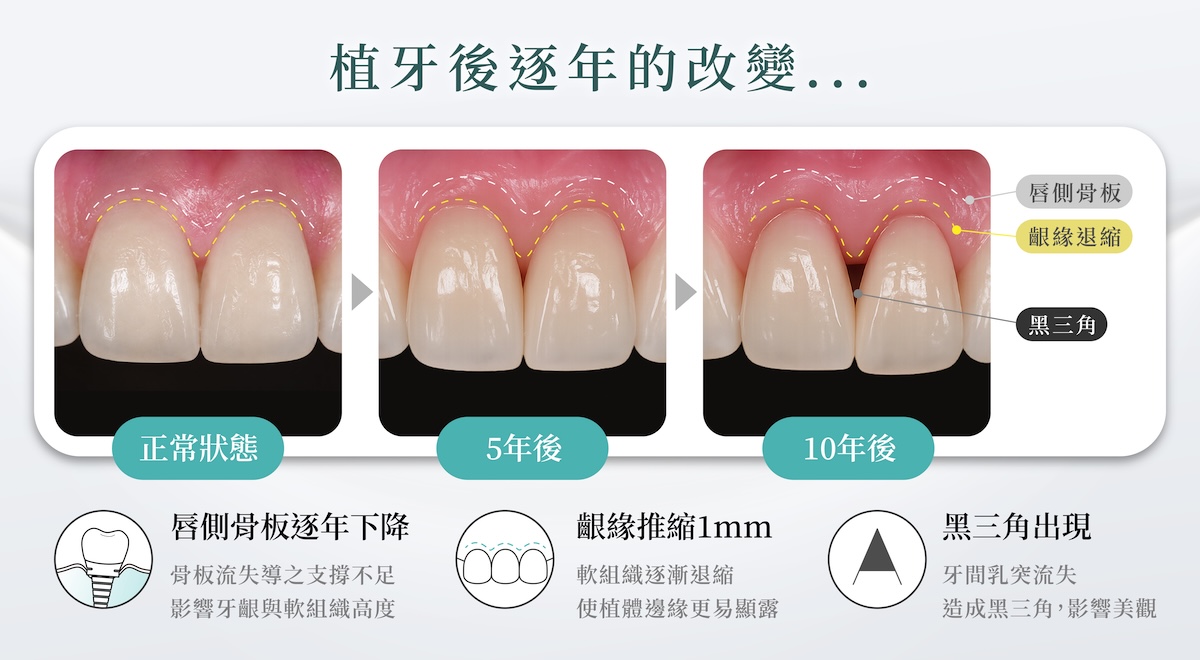
根據歐洲與美國的長期臨床觀察,經常致導前牙區植牙失敗的原因,其實不是植體脫落,真正需要關注的,是這些逐年發生的改變:唇側骨板逐年下降、齦緣退縮 1mm、黑三角出現。
According to long-term clinical observations from Europe and the United States, the primary reason for implant failure in the anterior region is often not the loss of the implant itself. The real issues to watch for are these gradual changes that occur year by year: Gradual resorption of the labial bone plate. 1mm of gingival margin recession. The appearance of "black triangles" (loss of papilla).
這些微小變化,不會立即浮現,卻往往在 5 年、10 年之後發生,造成極大的影響。
These subtle changes do not surface immediately; rather, they often manifest after 5 or 10 years, leading to significant esthetic impact.
因此,本案例從規劃之初,所有設計都圍繞著一個重要目標,設法讓軟硬組織長期維持穩定,以避免上述的併發症發生。
Therefore, from the very beginning of this case, every design choice revolved around one critical goal: maintaining the long-term stability of both soft and hard tissues to prevent the aforementioned complications.
全數位整合,是精準的開始
Full Digital Integration: The Starting Point of Precision
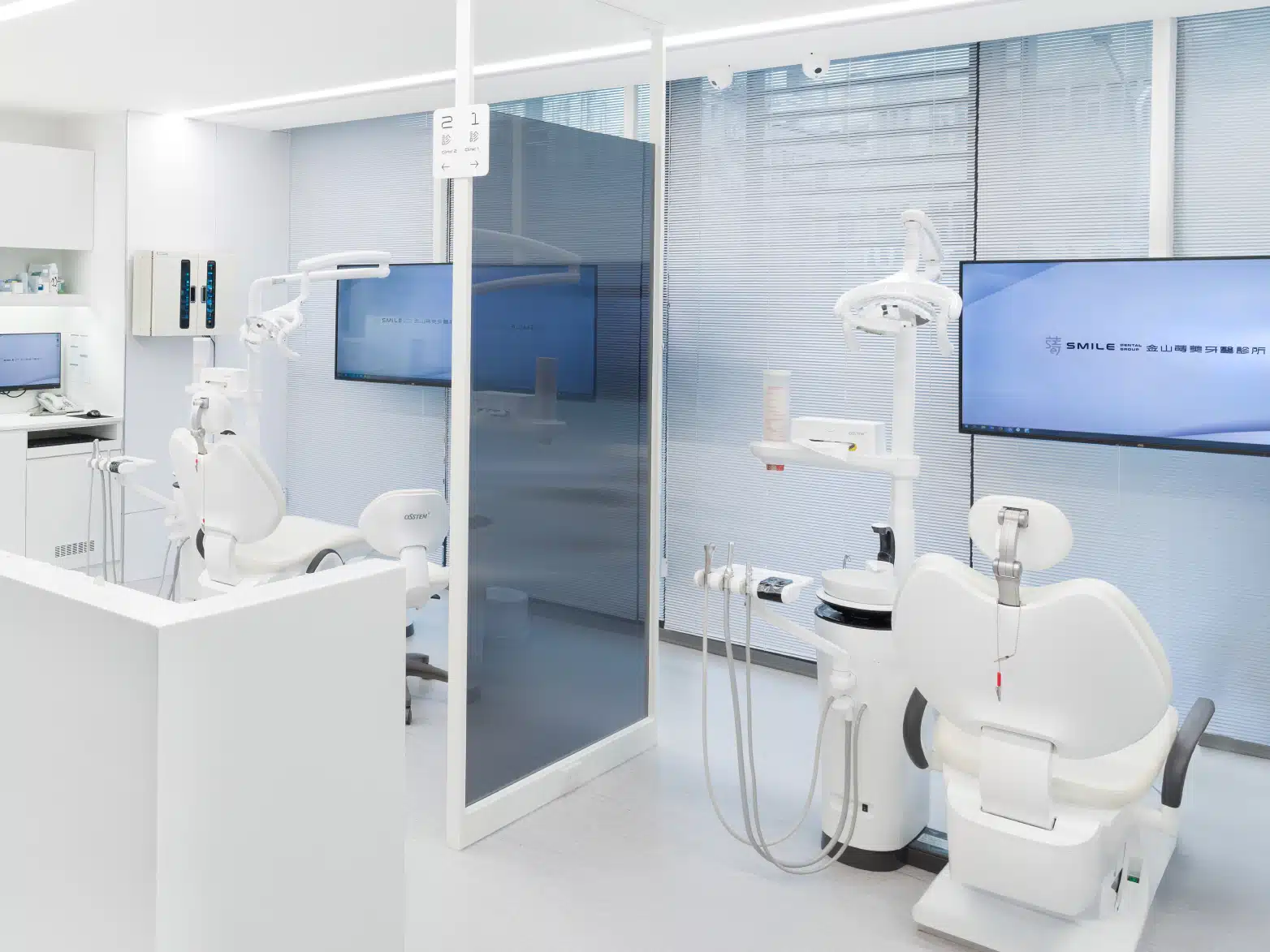
在進入手術前,我們已完成完整的數位整合,從 臉部掃描(Face Scan)、口內掃描(IOS)、CBCT 三維骨分析,到 Modjaw 動態咬合軌跡、 3D DSD 微笑設計,以及數位導板植牙定位,每一項數據,都在治療開始前被整合進同一套邏輯。
Before proceeding to surgery, we completed a comprehensive digital integration. This included Face Scans, Intraoral Scans (IOS), CBCT 3D bone analysis, Modjaw dynamic occlusal tracking, 3D DSD (Digital Smile Design), and digital surgical guide positioning. Every piece of data was integrated into a single logical framework before treatment began.
這些高階儀器的導入,並非為了展現科技,唯有如此,每一個關鍵步驟才能都有依據、能預測,把原本仰賴經驗的判斷,轉化為可以被設計與控制的細節。
The implementation of these high-end instruments is not for the sake of showing off technology. It is only through these means that every critical step becomes evidence-based and predictable, transforming experience-reliant judgments into details that can be meticulously designed and controlled.
也因此,在植牙尚未開始之前,我們已經能精準掌握:植體三維位置精準、唇側骨板保留、牙齦高度被預測與保護、未來假牙的 emergence profile 早已設計完成。
As a result, even before the implant procedure started, we were able to precisely master: Accurate 3D implant positioning. Preservation of the labial bone plate. Prediction and protection of the papilla height. The pre-designed emergence profile of the future prosthesis.
在前牙區,0.5mm 的誤差,都可能導致未來齦緣退縮。
In the anterior zone, an error of even 0.5mm can lead to future gingival recession.
為什麼我們堅持使用 Tissue Level?
Why do we insist on using Tissue Level?
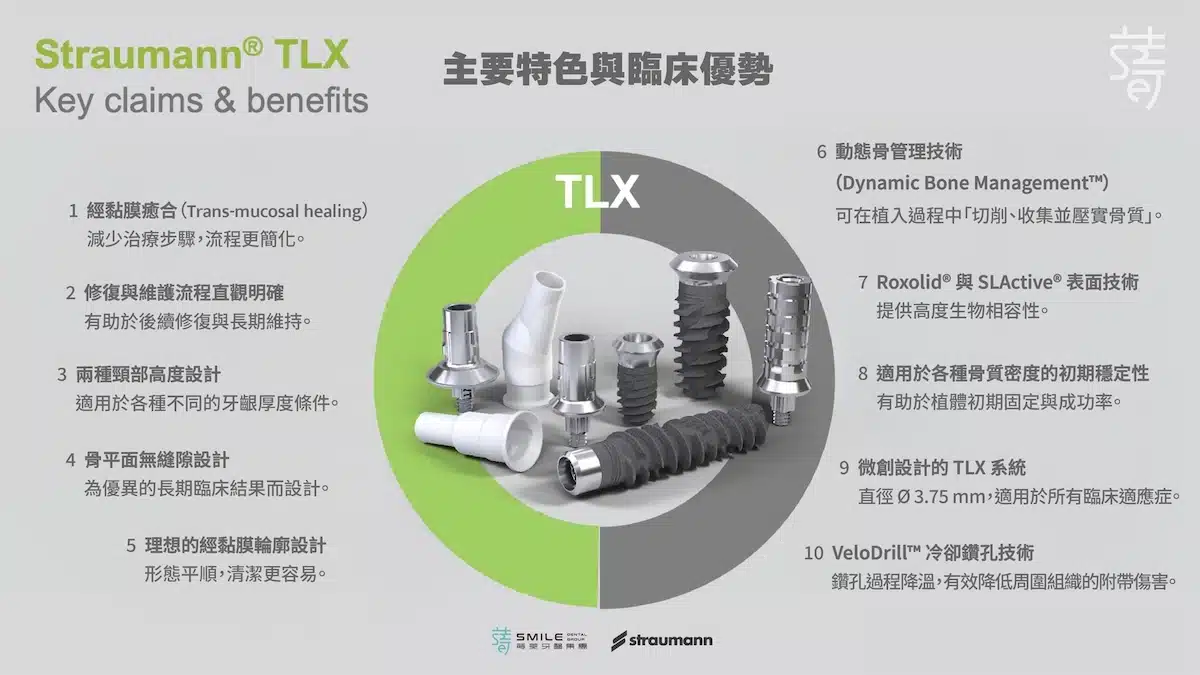
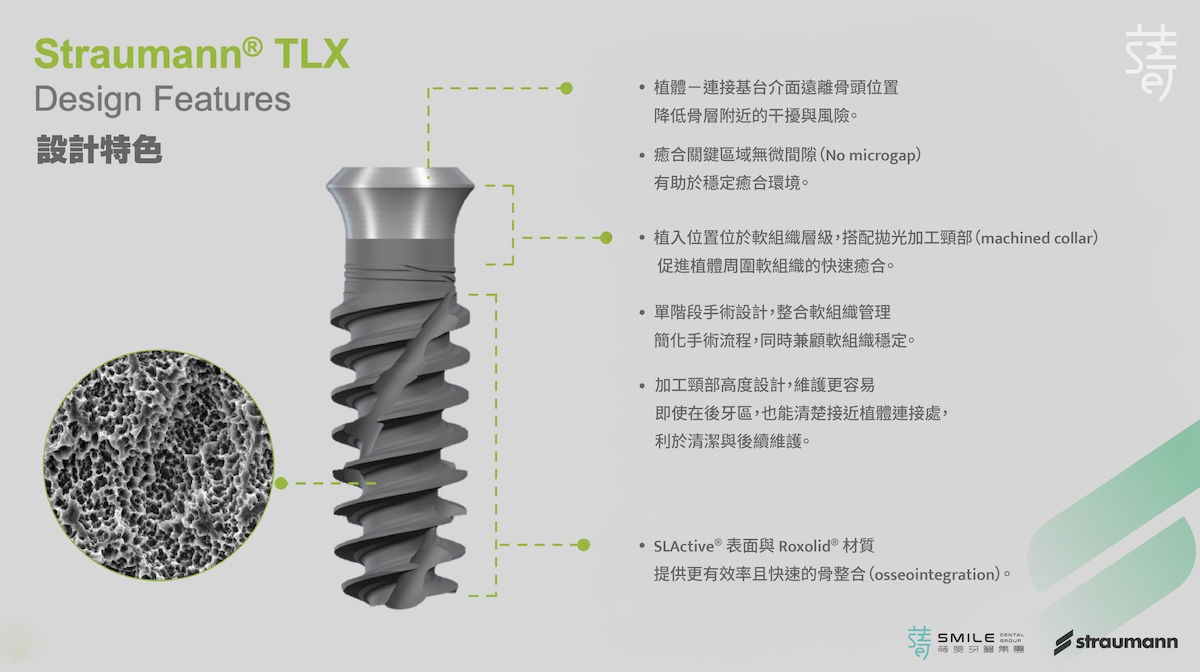
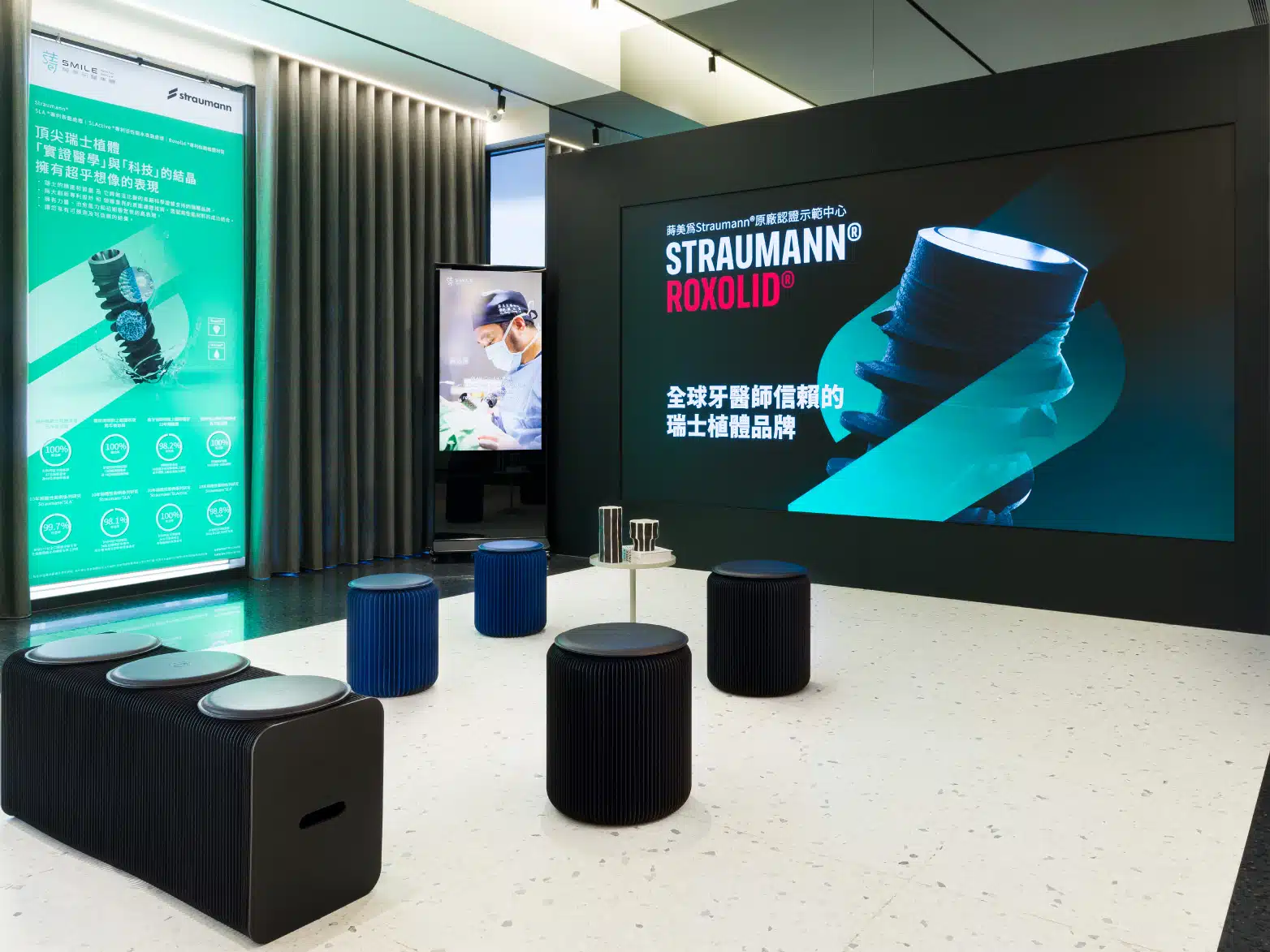
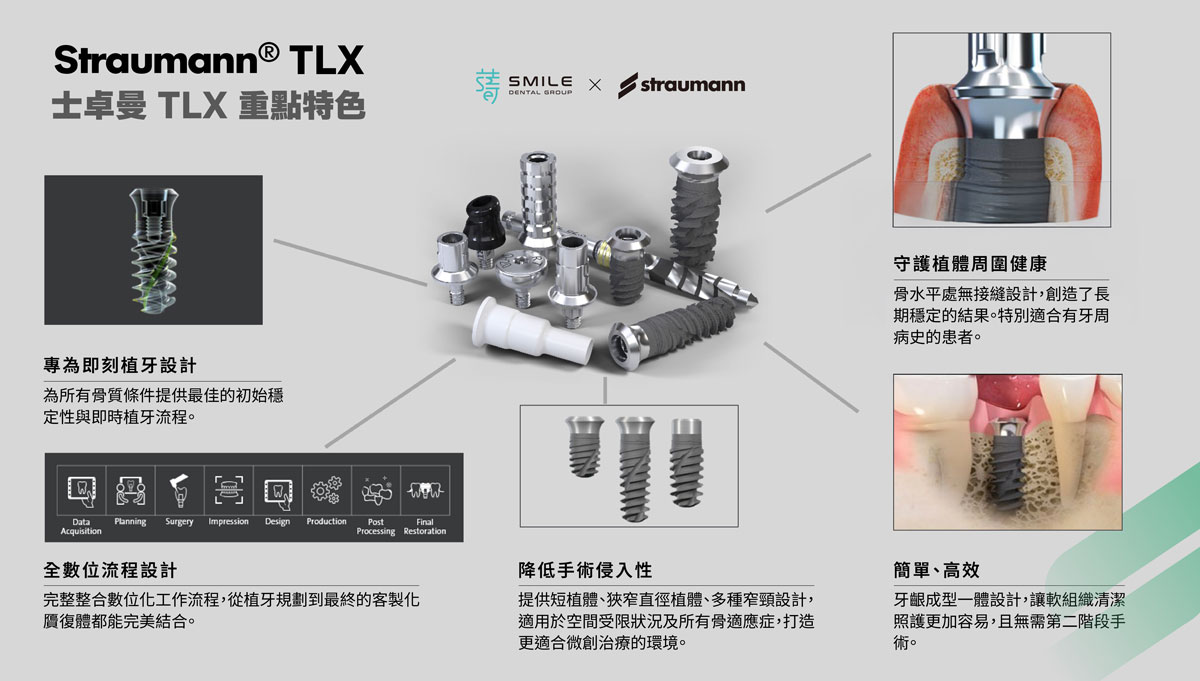
本案例選擇「Straumann TLX Tissue Level」 系統。這樣的選擇,背後是一個放眼長期的思考,從治療起點就鎖定生物學穩定,讓結果在多年之後,依然穩定且容易維護。
For this case, we selected the "Straumann TLX Tissue Level" system. This choice is backed by a long-term perspective. By locking in biological stability from the very start of treatment, we ensure that the results remain stable and easy to maintain many years later.
讓微間隙遠離骨脊
大多數骨水平植體,連接界面位於骨脊附近。而所有研究都證實,微間隙周圍必然發生生理性骨改建。Tissue Level 設計,將這個連接界面上移至軟組織層。這代表:骨脊遠離微動、骨脊遠離細菌滲漏、唇側骨板更穩定。在薄生物型患者中,這個差異決定 10 年後是否退縮。
Keeping the Micro-gap away from the Bone Crest : Most Bone Level implants have their connection interface located near the alveolar bone crest. Research consistently confirms that physiological bone remodeling inevitably occurs around this micro-gap. The Tissue Level design moves this connection interface upward to the soft tissue layer. This means : The bone crest is isolated from micro-movements. The bone crest is protected from bacterial leakage. The labial bone plate remains more stable. For patients with a "thin biotype," this distinction determines whether or not recession occurs 10 years later.
降低 Pumping Effect 風險
微動產生的細菌泵吸現象,是許多慢性邊緣骨吸收的隱形原因。Tissue Level 等於建立一道緩衝區,將潛在風險與骨脊隔離。這麼做能讓植牙未來更穩定,不止是完成當下很漂亮而已。
Reducing the Risk of the "Pumping Effect" : The bacterial pumping phenomenon caused by micro-movements is a hidden culprit behind many cases of chronic marginal bone resorption. Tissue Level implants essentially create a buffer zone, isolating potential risks from the bone crest.
國際一流醫師長期使用的設計理念
在瑞士、義大利與美國的臨床交流中可以觀察到,許多資深醫師在前牙區,仍然長期使用 Tissue Level 作為穩定策略。原因很單純,長期追蹤數據穩定且軟組織表現更可預測。這是這些資深醫師的共同選擇,將風險放在時間軸上評估,優先考量長期穩定、風險最低的治療方案。
A Design Philosophy Favored by World-Class Clinicians : Many senior clinicians worldwide continue to use Tissue Level as a long-term stability strategy in the anterior zone. The reason is simple: long-term follow-up data is exceptionally stable, and soft tissue performance is more predictable.
手術策略:快很重要,但我們更重視穩定
Surgical Strategy: Speed is important, but we value stability more.
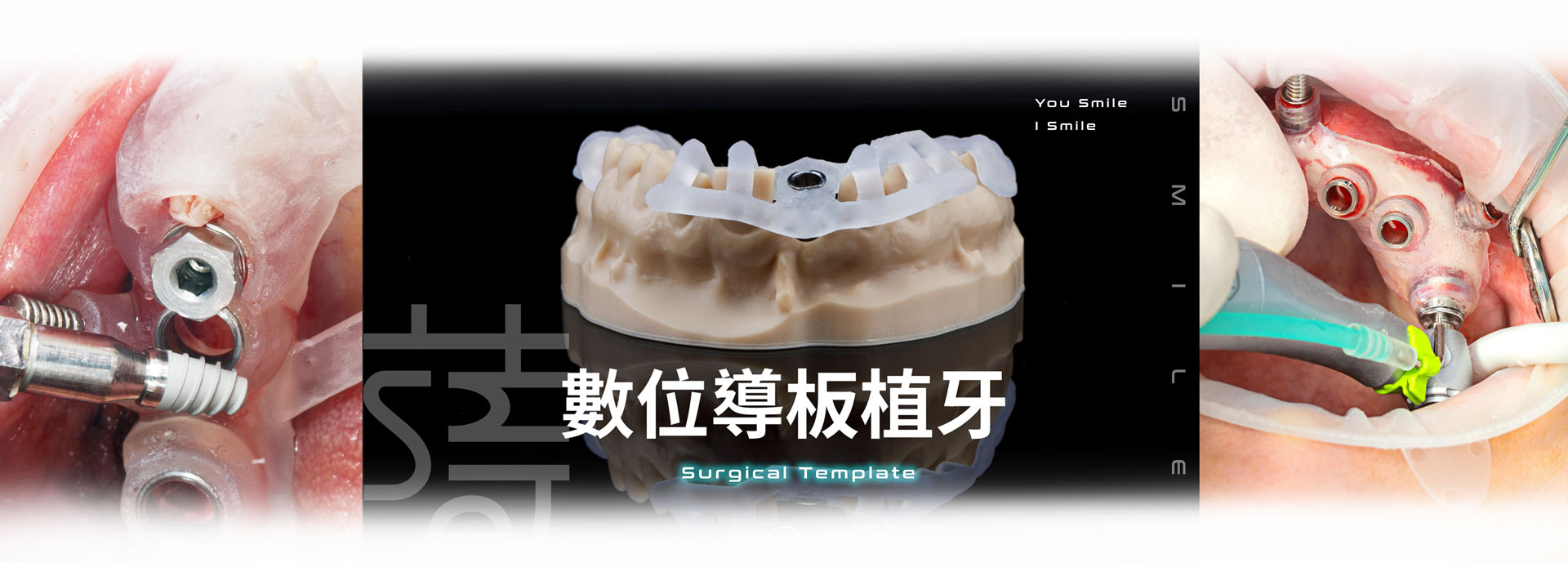
本案例採用:微創拔牙、數位導板定位、同步補骨強化唇側骨板、結締組織移植增加厚度、客製化暫時支台齒支撐牙齦、不立即受力、六個月後最終贋復。
This case utilized : Minimally invasive extraction. Digital surgical guide positioning. Simultaneous GBR (Guided Bone Regeneration) to reinforce the labial bone plate. Connective Tissue Graft (CTG) to increase tissue thickness. A customized temporary abutment to support the papillae. No immediate loading. Final restoration after six months.
很多人追求「即刻受力」,但我們更在意的是,骨整合完全成熟後,再讓植體承受功能負載。這樣的節奏,是來自對生物學的理解與尊重。
While many pursue "immediate loading," we prioritize waiting for the osseointegration to fully mature before subjecting the implant to functional loads. This rhythm stems from a deep understanding of and respect for biology.
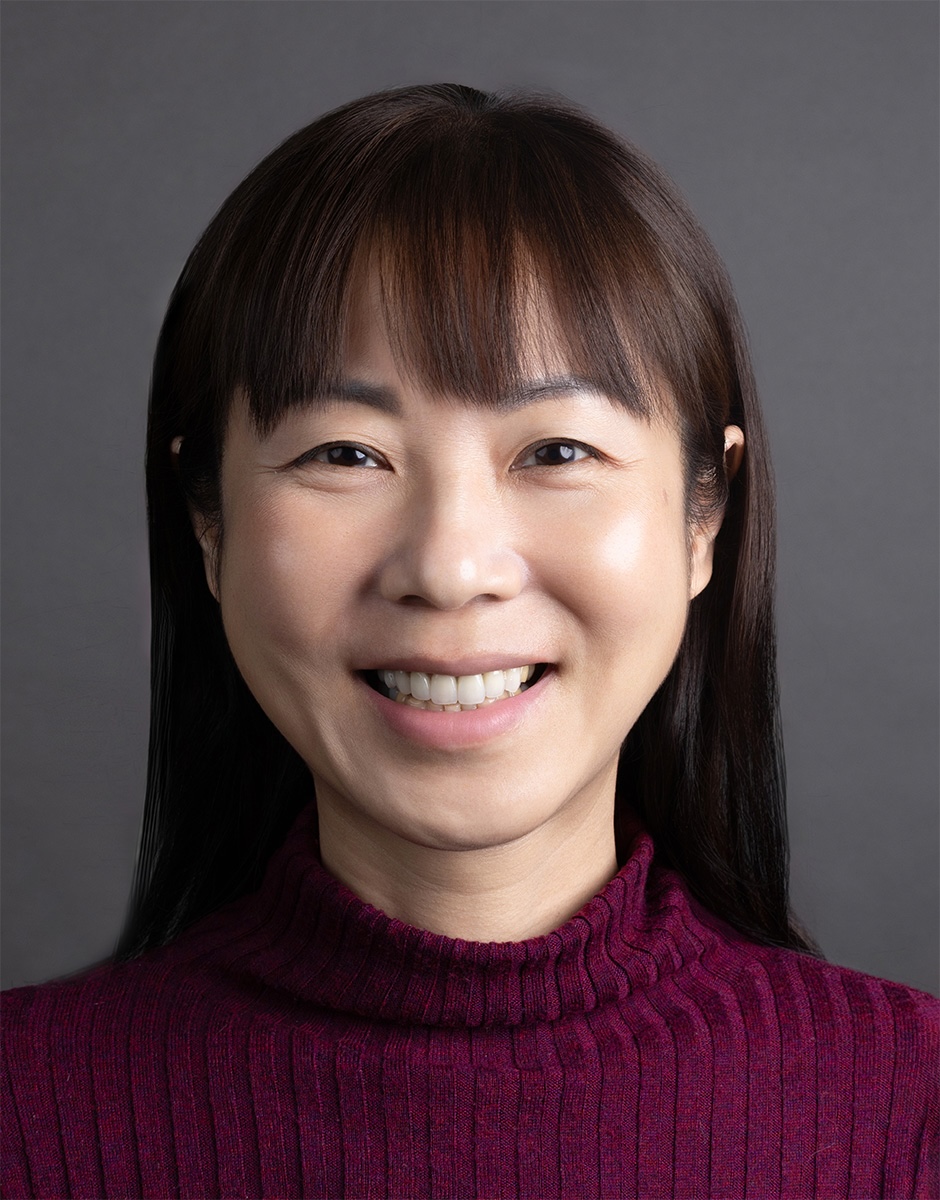
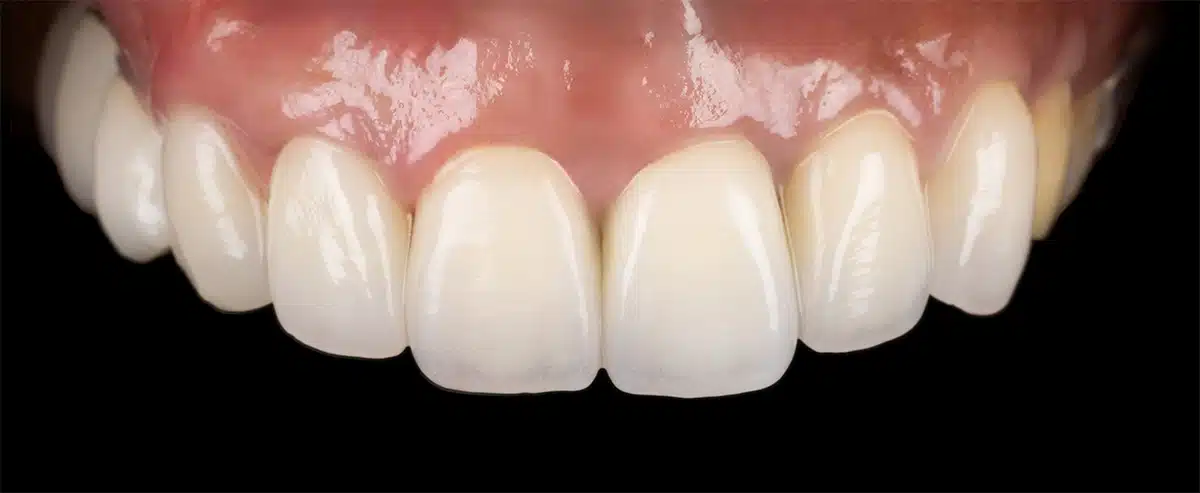
六個月後,我們看到的結果是:無齦緣退縮、牙齦完整、唇側骨板穩定,且沒有任何發炎徵象。
Six months later, the results show zero gingival recession, intact papillae, a stable labial bone plate, and no signs of inflammation.
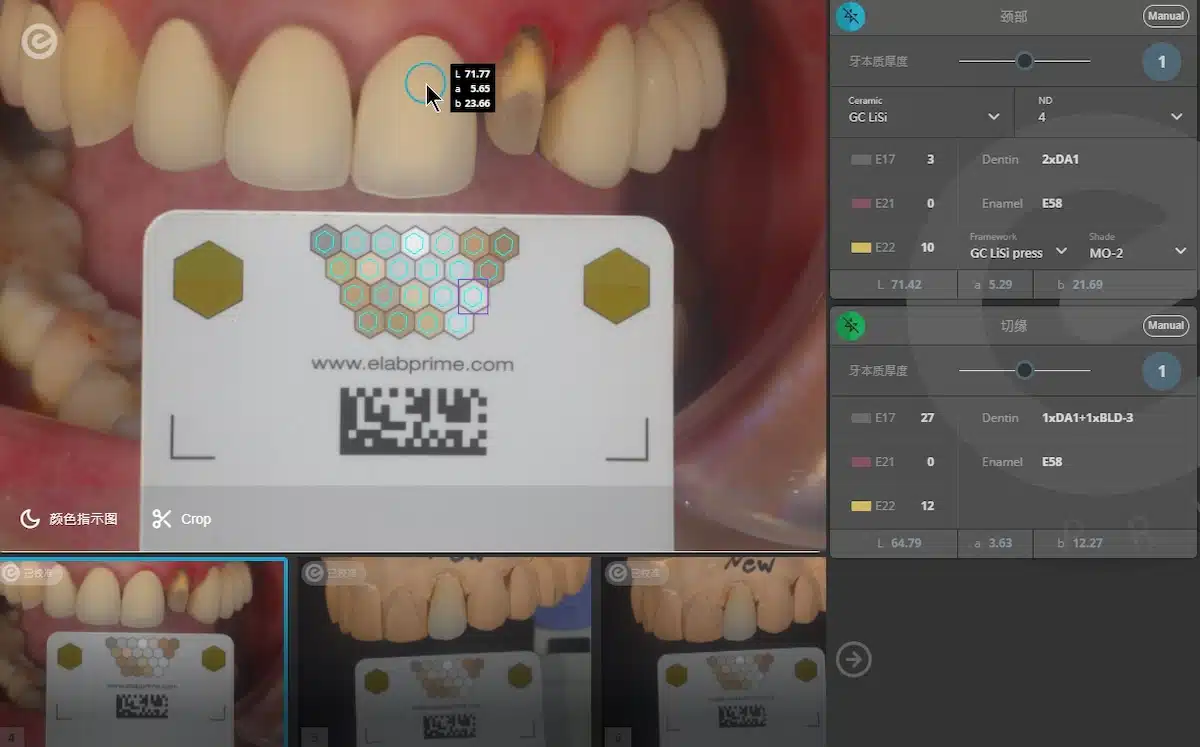
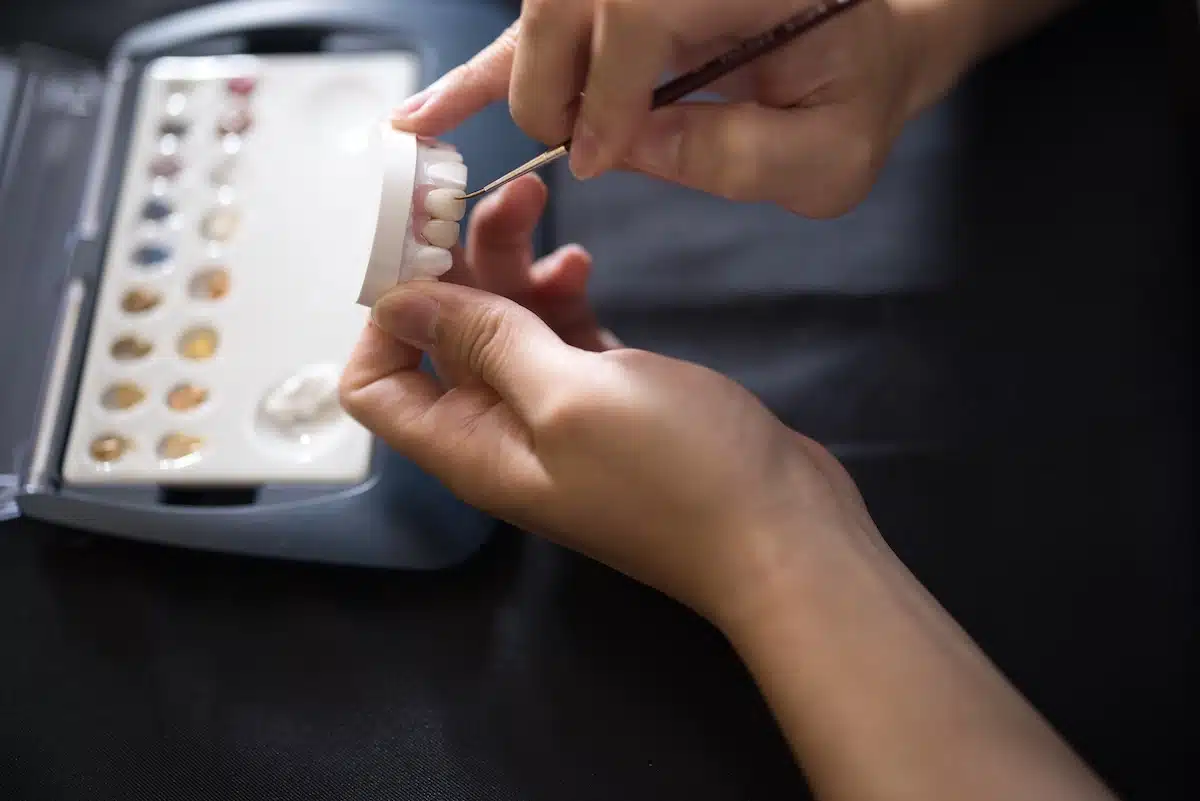
在這樣穩定的基礎上,我們進一步透過數位 copy 技術,將暫時牙已經成熟的輪廓完整保留下來,並搭配精準的數位比色與分層陶瓷堆疊,重現牙齒自然的光學層次。
On this stable foundation, we further utilized digital copy techniques to perfectly preserve the matured contours of the temporary tooth. Combined with precise digital shade matching and layered ceramic stacking, we reproduced the natural optical layers of the tooth.
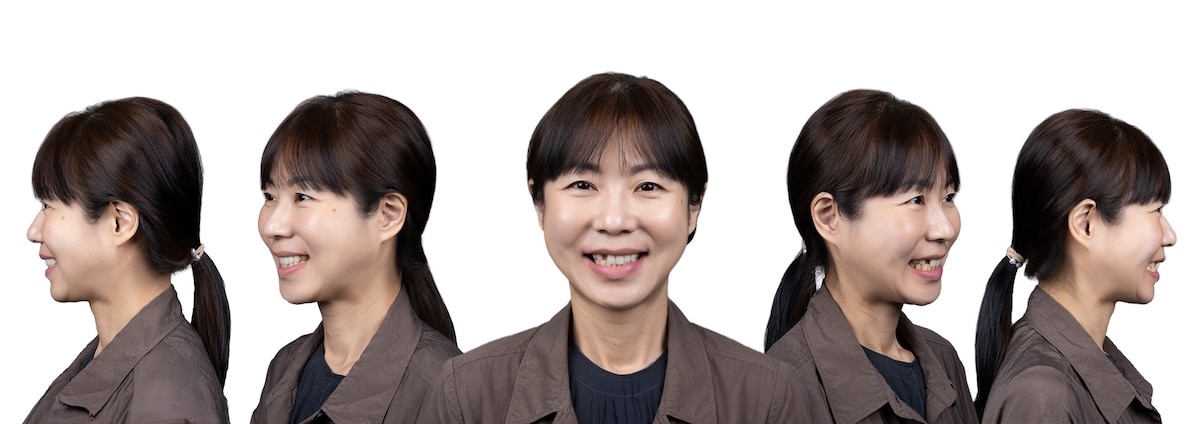
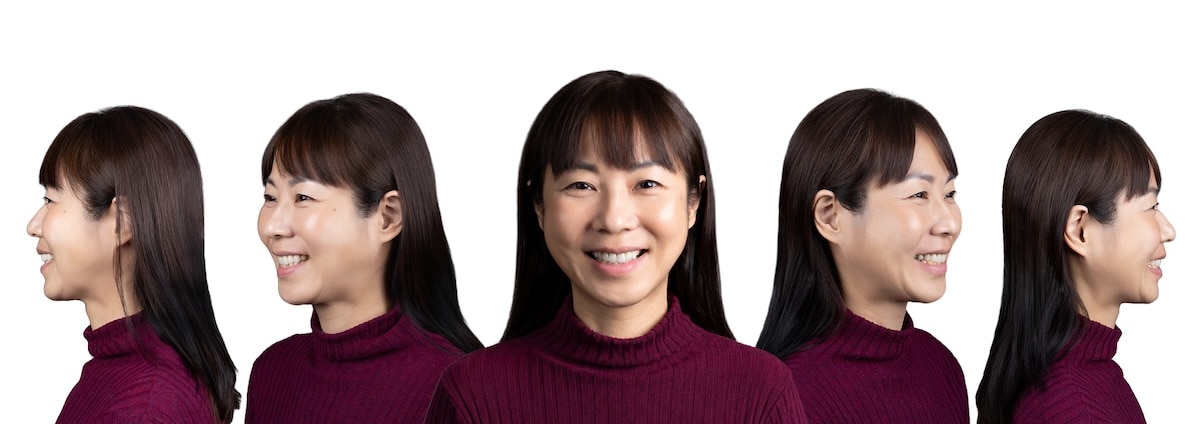
最終的成果,不只是外觀看起來自然,更幾乎難以察覺曾經修復過。
The final outcome is not just natural in appearance; it is almost impossible to detect that any restoration was ever performed.
我們對前牙植牙的定義
Our Definition of Anterior Implant Dentistry
在我們的理念中,前牙植牙不是單純的填補缺牙,更多的是對生物條件的精準控制。
In our philosophy, an anterior implant is not merely "filling a gap"; it is about the precise control of biological conditions.
它包含:生物學控制、軟組織工程、三維定位、長期風險管理。因此,我們選擇 Tissue Level。
This includes biological control, soft tissue engineering, 3D positioning, and long-term risk management. This is why we choose Tissue Level.
這樣的選擇,意味著更嚴格的要求。需要精準定位、細緻的軟組織管理,以及足夠的耐心,等待條件成熟。門檻更高,節奏更慢,但回報是,10 年後依然自然的笑容。
Such a choice implies stricter requirements. It demands precise positioning, meticulous soft-tissue management, and ample patience to wait for the right conditions. The threshold is higher, the pace is slower, but the reward is a natural smile that will still be present 10 years later.
結語
Conclusion
很多人問:「為什麼不選擇更流行的設計?」
Many ask, "Why not choose a more 'trendy' design?"
答案很清楚。因為在前牙區,流行會改變,器材會改版,但生物學不會。
The answer is clear: Trends change and equipment gets updated, but biology does not.
我們選擇的,是對未來負責的方案。
We choose the solution that is responsible for the patient's future.