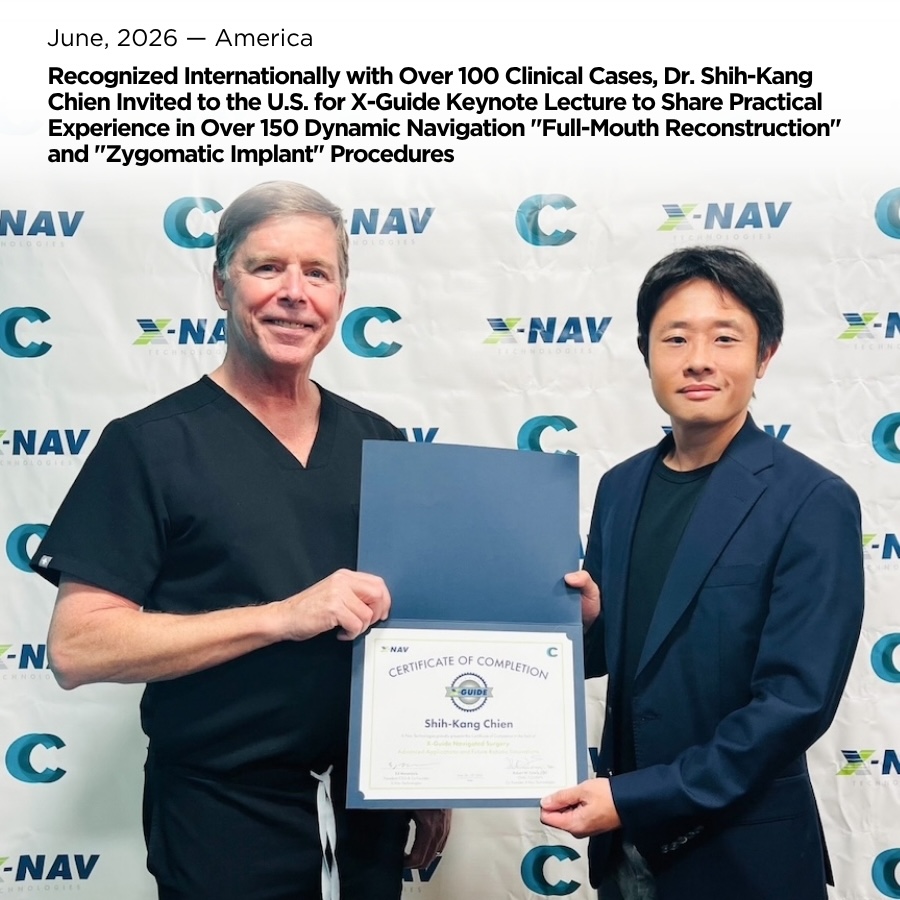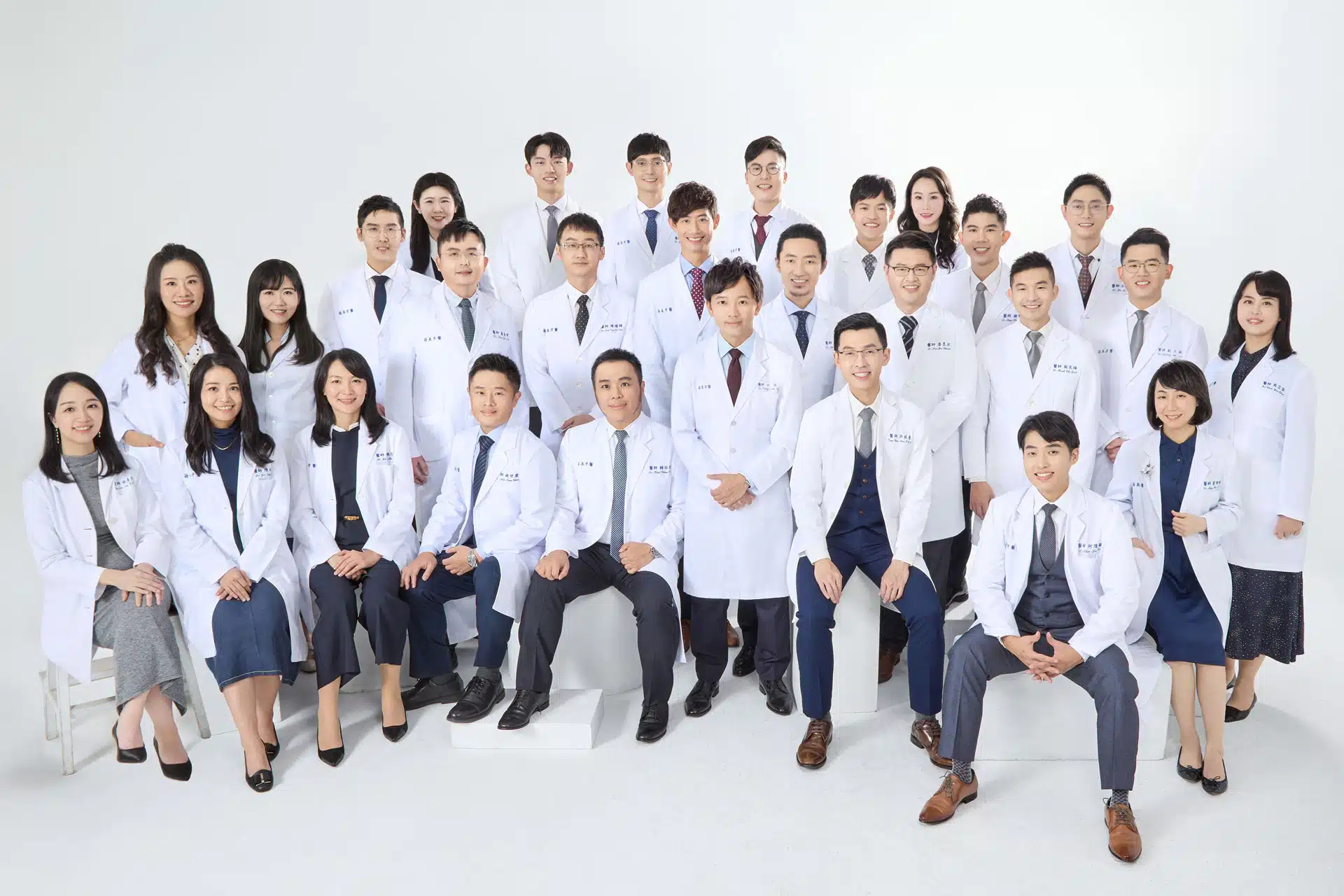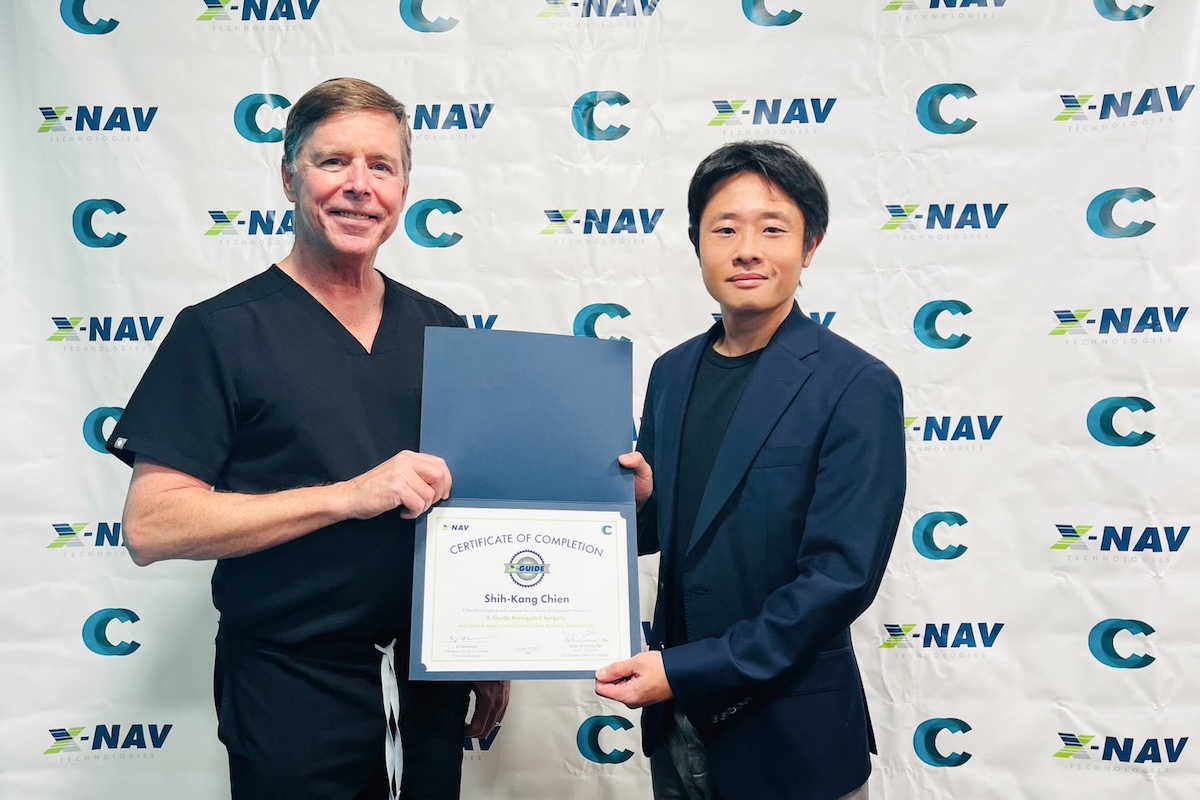
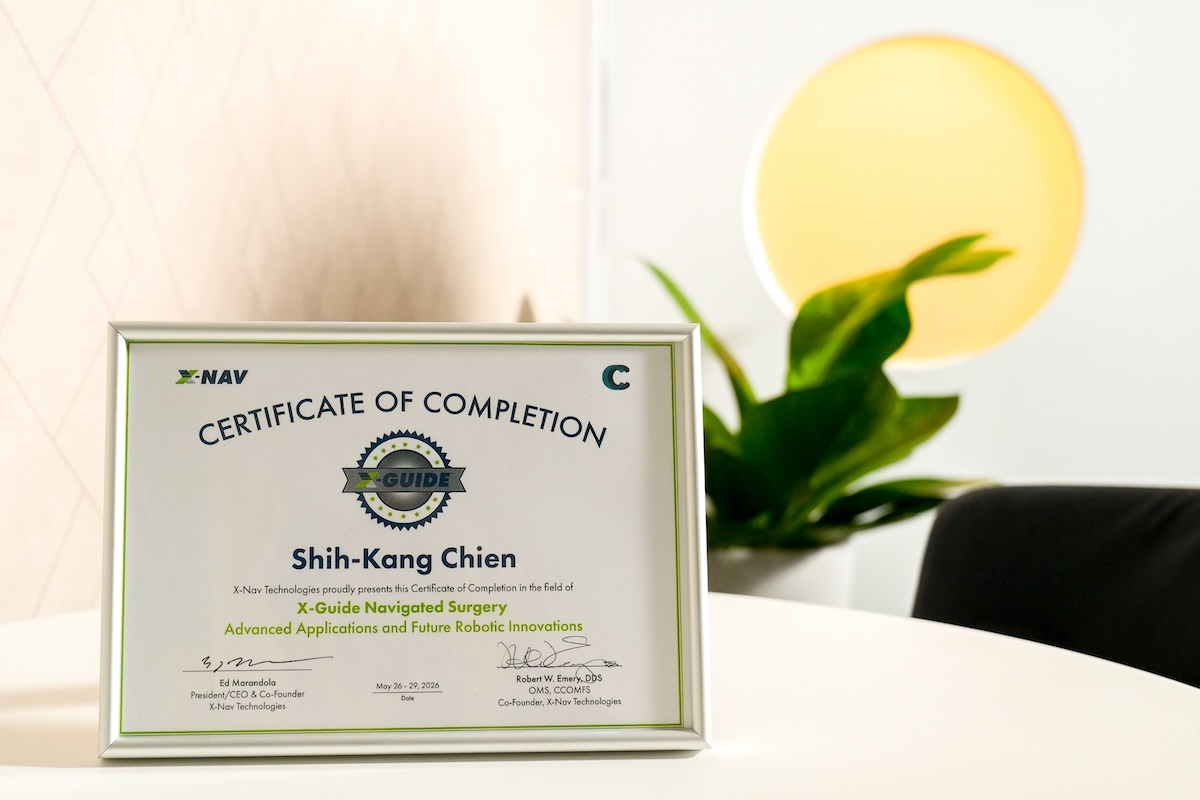
蒔美牙醫全口重建團隊錢世康醫師近日受美國 X-NAV Technologies 原廠邀請赴美,此次邀請由原廠創辦人 Ed Marandola 與臨床醫務長 Dr. Robert W. Emery 提出,行程包括前往原廠、參與 UPenn Symposium 學術活動,並前往美國口腔顎面外科中心 Capital Center for Oral and Maxillofacial Surgery(CCOMFS),分享台灣使用 X-Guide 動態導航系統於「全口重建(Full-Mouth Reconstruction)」與「顴骨植牙(Zygomatic Implants)」的臨床經驗。
Dr. Shih-Kang Chien from the Smile Dental Full-Mouth Reconstruction Team was recently invited to the United States by X-NAV Technologies. The invitation was extended by company founder Ed Marandola and Chief Medical Officer Dr. Robert W. Emery. His itinerary included visiting the company headquarters, participating in the UPenn Symposium academic event, and visiting the Capital Center for Oral and Maxillofacial Surgery (CCOMFS) in the U.S. to share Taiwan's clinical experience using the X-Guide dynamic navigation system in "Full-Mouth Reconstruction" and "Zygomatic Implants."
錢世康醫師執業以來專注於口腔顎面外科領域,長期處理各類複雜口腔外科手術,並多次前往國外參與植牙相關的高階課程與交流,包括西班牙巴塞隆納由國際顴骨植牙權威 Carlos Aparicio 醫師主講的課程,學習「解剖導向式顴骨植牙法(ZAGA)」。近年他也持續將動態導航技術應用於全口重建與顴骨植牙等複雜案例,並曾在國內的數位植牙課程擔任講師。
Throughout his practice, Dr. Shih-Kang Chien has focused on oral and maxillofacial surgery, handling various complex oral surgical procedures over the long term. He has also traveled abroad multiple times to participate in advanced implant dentistry courses and exchanges, including a course in Barcelona, Spain, taught by Dr. Carlos Aparicio, a leading international authority on zygomatic implants, to learn the Zygomatic Anatomy-Guided Approach (ZAGA). In recent years, he has continuously applied dynamic navigation technology to complex cases such as full-mouth reconstruction and zygomatic implants, and has served as a lecturer for domestic digital implantology courses.
臨床實務累積:逾150例導航重建經驗受原廠邀請
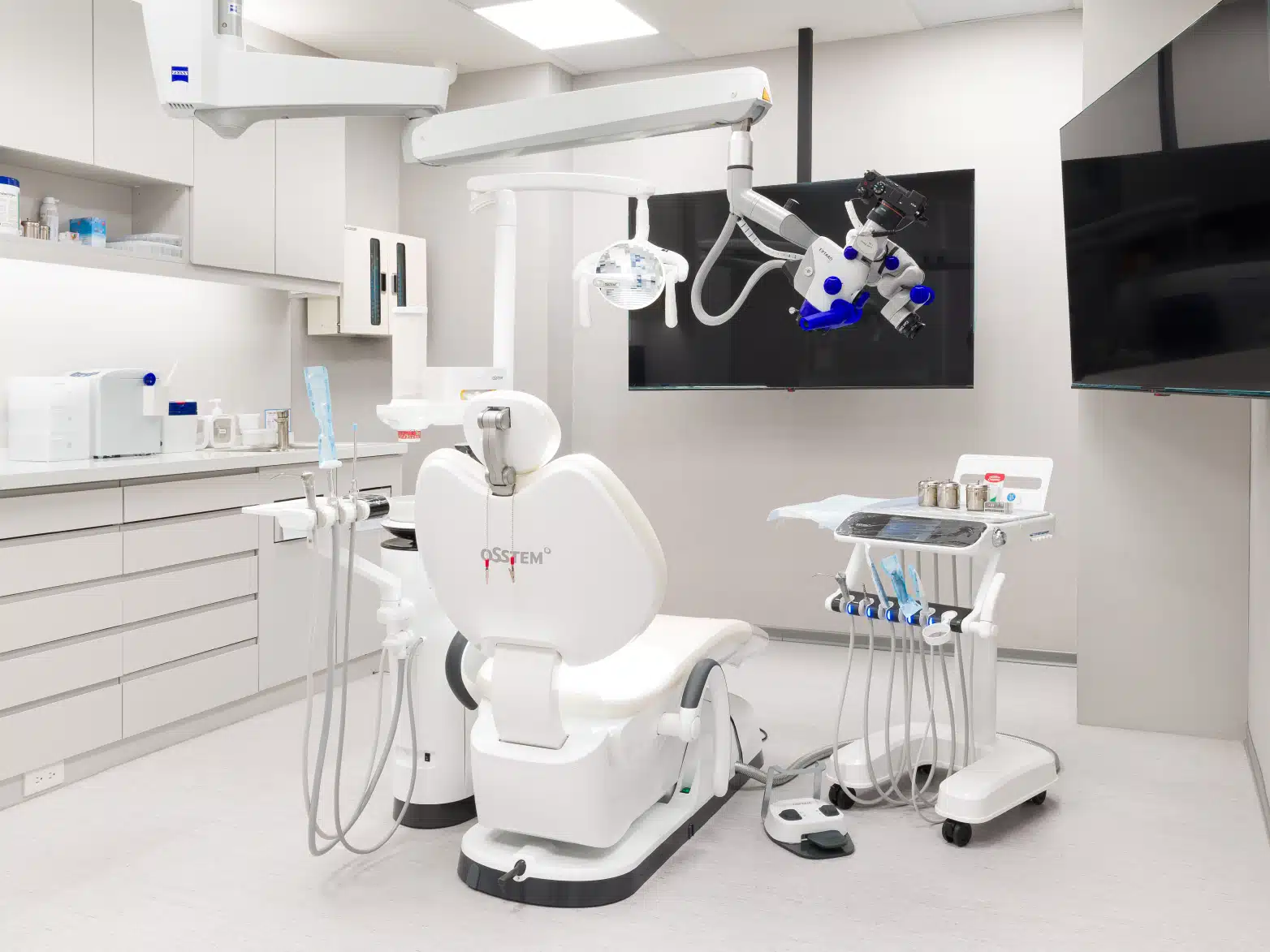
X-Guide 動態導航系統透過術中即時追蹤技術,協助臨床醫師掌握患者的口腔 3D 解剖結構與手術器械的相對位置,是現代複雜牙科手術的輔助工具之一;實際臨床效益仍取決於操作醫師的解剖判讀與臨場處置能力。
The X-Guide dynamic navigation system uses intraoperative real-time tracking technology to help clinicians understand the patient's 3D oral anatomical structure and the relative position of surgical instruments, making it one of the auxiliary tools for modern complex dental surgery. However, its actual clinical effectiveness still depends on the operating physician's anatomical interpretation and real-time management capability.
原廠在篩選全球講師時,主要考量醫師的臨床嚴謹度與真實複雜案例的累積量。單顆或少數缺牙的導航操作在數位牙醫領域已相當普及,但若要將動態導航全面應用於涵蓋整座牙弓、且齒槽骨條件較差的全口重建,手術規劃與臨床判斷的複雜度會隨之提高,全球具備此類案例經驗的講師並不多。
When selecting global lecturers, the original manufacturer primarily considers the physician's clinical rigor and the accumulated volume of real complex cases. Navigated procedures for single or few missing teeth are already quite widespread in digital dentistry. However, applying dynamic navigation comprehensively to full-mouth reconstructions covering the entire dental arch with poor alveolar bone conditions increases the complexity of surgical planning and clinical judgment, leaving very few lecturers worldwide with experience in such cases.
錢世康醫師在台灣執行 X-Guide 動態導航輔助手術已累積逾150例,其中包含多例全口無齒重建與重度齒槽骨萎縮案例。在國內動態導航全口重建領域,具備此案例規模的醫師仍屬少數,這也是原廠此次邀請錢醫師前往華盛頓特區、與全美多位口腔外科主任醫師進行臨床經驗交流的主因。
Dr. Shih-Kang Chien has accumulated over 150 X-Guide dynamic navigation-assisted surgical cases in Taiwan, including many cases of edentulous full-mouth reconstruction and severe alveolar bone atrophy. In Taiwan's dynamic navigation full-mouth reconstruction field, doctors with a case volume of this scale remain rare. This is the main reason why the manufacturer invited Dr. Chien to Washington, D.C., to engage in clinical experience exchanges with chief oral surgeons across the United States.
數位導航在「全口重建」的臨床應用
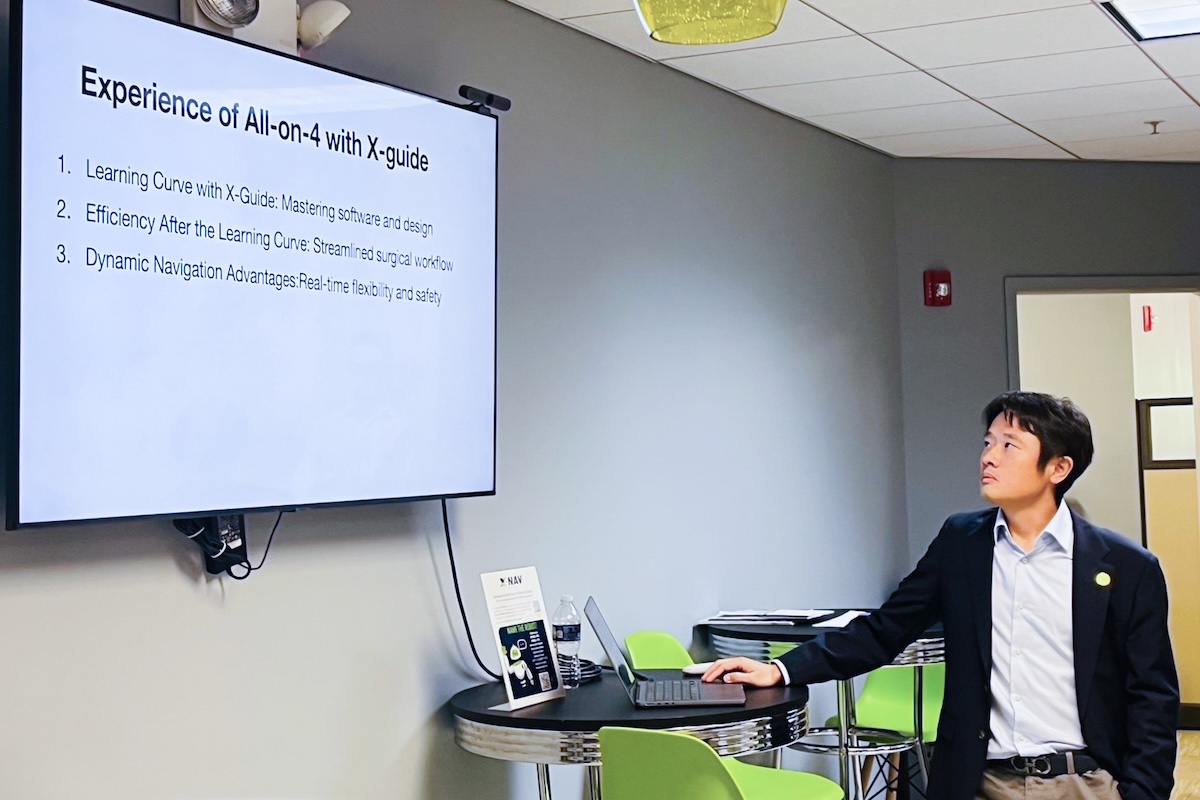
對於長期全口無牙、或因嚴重牙周病導致多顆牙齒無法保留的患者,傳統全口重建往往需要經歷多次、大範圍的補骨手術,整體治療週期較長。在缺乏即時導引的情況下,醫師主要仰賴術前規劃與術中肉眼觀察,若遇到術中視野受限或解剖構造變異,可能影響多顆植體之間的平行度,進而牽動後續假牙的受力分佈。
For patients with long-term complete tooth loss or multiple non-restorable teeth due to severe periodontal disease, traditional full-mouth reconstruction often requires multiple extensive bone grafting surgeries, resulting in a longer overall treatment period. Lacking real-time guidance, doctors rely mainly on preoperative planning and intraoperative visual inspection. If intraoperative vision is restricted or anatomical variations occur, it may affect the parallelism between multiple implants, subsequently impacting the stress distribution of the final prosthesis.
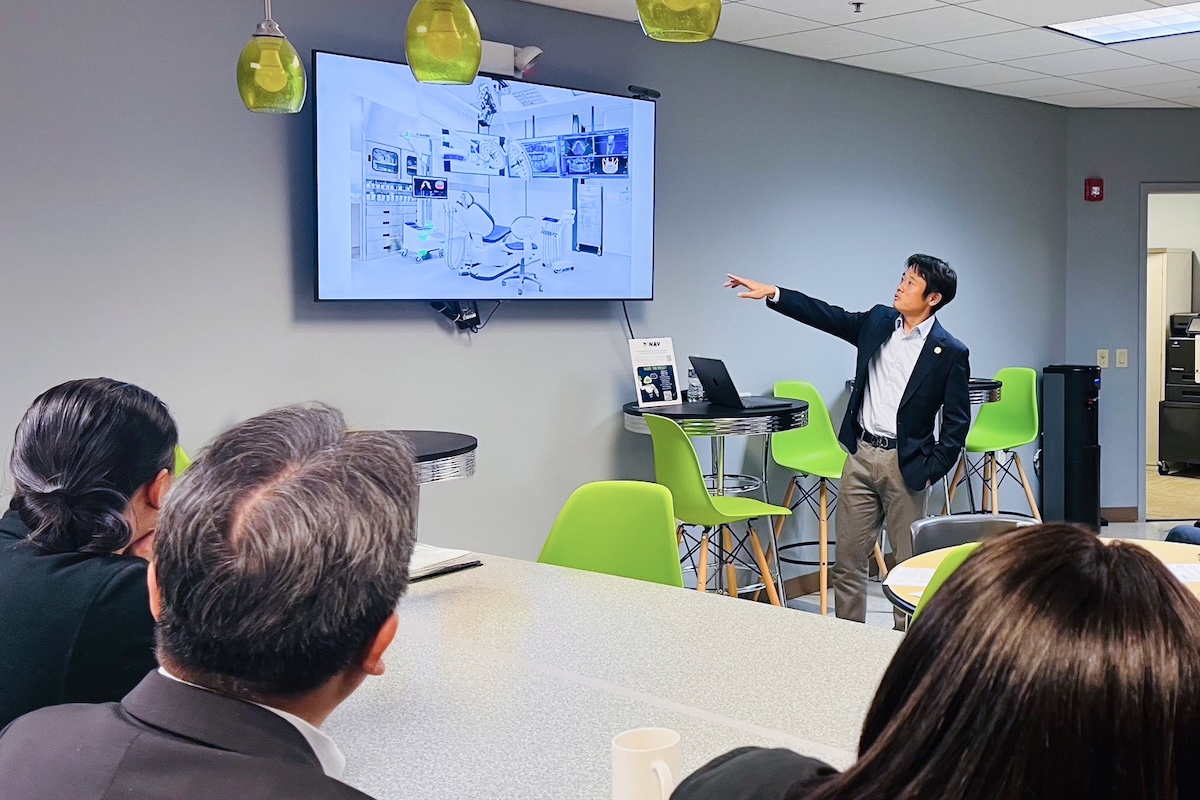
演講中,錢世康醫師展示了多個運用 X-Guide 進行全口重建的臨床流程。透過術前 3D 數位模擬與術中即時追蹤,醫師能觀察骨質分佈、避開神經與血管,將植體定位於殘餘的合適骨質中,減少非必要的補骨程序。多顆植體的角度、深度與軸向排列,也能依術前設計即時校正,為後續全口固定假牙奠定承重基礎。若患者初始穩定度良好,部分案例可配合即刻負載技術,於手術當日裝設臨時固定假牙,縮短無牙期。
During the lecture, Dr. Shih-Kang Chien demonstrated several clinical workflows using X-Guide for full-mouth reconstruction. Through preoperative 3D digital simulation and intraoperative real-time tracking, clinicians can observe bone distribution, avoid nerves and blood vessels, and position implants in suitable residual bone, reducing unnecessary bone grafting procedures. The angle, depth, and axial alignment of multiple implants can also be corrected in real time according to the preoperative design, laying a solid weight-bearing foundation for subsequent full-mouth fixed prostheses. If the patient achieves good initial stability, certain cases can incorporate immediate loading techniques to install temporary fixed prostheses on the day of surgery, shortening the edentulous period.
演講中錢世康醫師也提到,並非所有患者的齒槽骨條件都適合上述做法;一部分患者的上顎骨萎縮程度更嚴重,常規植體已無處施力。
Dr. Shih-Kang Chien also mentioned in his lecture that not all patients' alveolar bone conditions are suitable for the above approach; some patients suffer from more severe maxillary bone atrophy, leaving no anchoring point for conventional implants.
重度骨萎縮的進階處置:導航輔助顴骨植牙
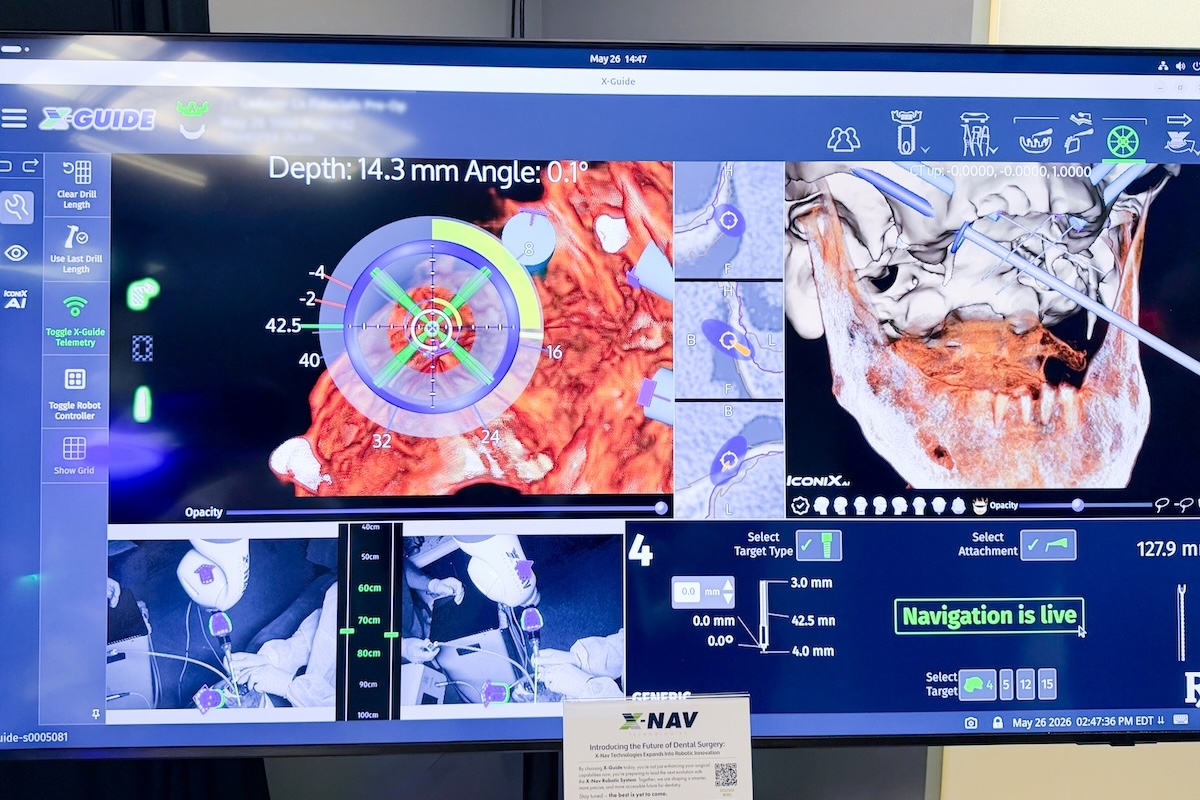
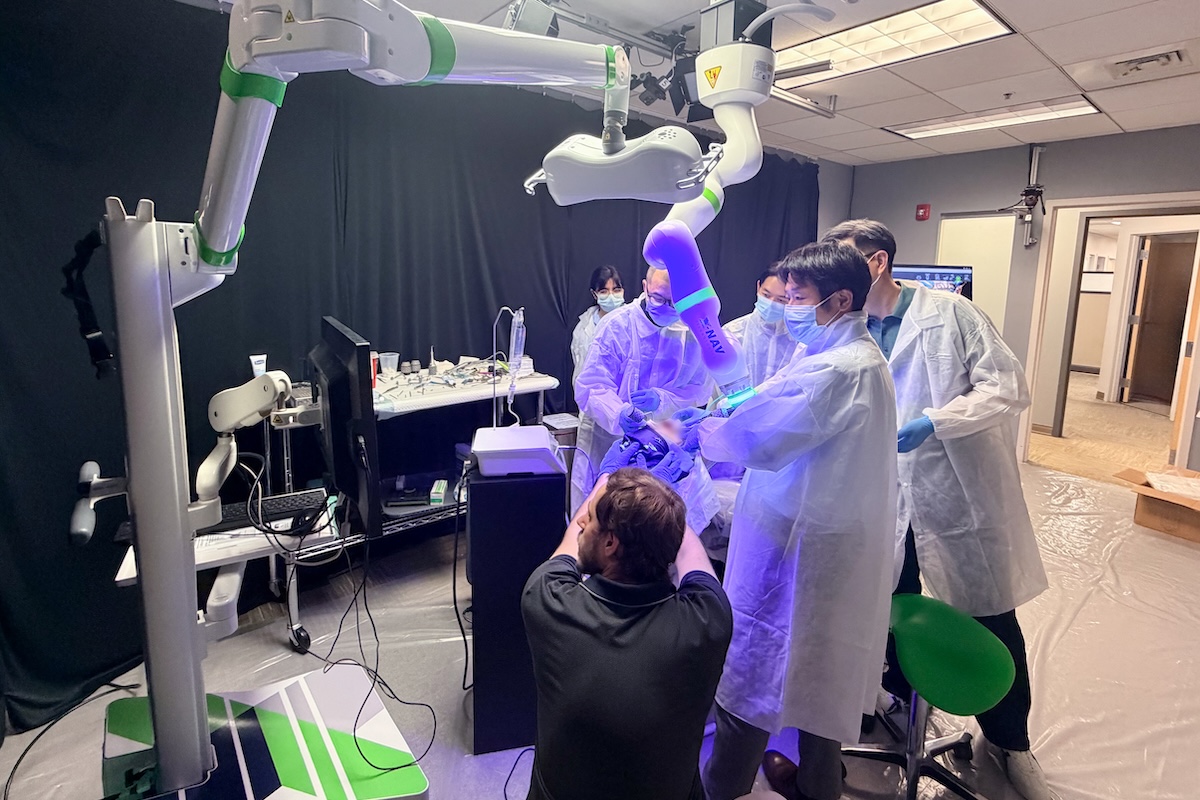
針對上顎骨嚴重萎縮、齒槽骨流失嚴重,以致常規植體無法固定的案例,錢世康醫師分享了顴骨植牙(Zygomatic Implants)的臨床應用。當患者上顎骨厚度因長期缺牙或生理老化大幅萎縮(有時不足 1 至 2 毫米)時,須使用長度約 35 至 55 毫米的特製植體,穿過殘餘齒槽骨,固定於面部的顴骨(Zygoma Bone)結構上。
For cases with severe maxillary atrophy and substantial alveolar bone loss where conventional implants cannot be anchored, Dr. Shih-Kang Chien shared the clinical application of Zygomatic Implants. When the thickness of a patient's maxilla shrinks significantly due to long-term tooth loss or physiological aging (sometimes under 1 to 2 millimeters), special implants measuring approximately 35 to 55 millimeters in length are required to pass through the residual alveolar bone and anchor into the facial zygoma bone structure.
由於顴骨周圍涉及多處面部神經、大血管及上顎竇,傳統操作在缺乏即時影像輔助時,多憑醫師的解剖經驗與手感定位,手術盲區較多,稍有偏差可能傷及周邊組織,屬口腔外科中風險相對較高的進階手術。錢世康醫師在演講中透過手術影像,展示 X-Guide 如何在推進過程中提供公釐級即時位置回饋,協助醫師避開神經血管與眼眶構造,將長植體穩定定位於顴骨骨質核心,並同步示範動態導航系統在實際操作過程中的定位與追蹤情形。
Because the area surrounding the zygoma involves multiple facial nerves, major blood vessels, and the maxillary sinuses, traditional procedures performed without real-time imaging guidance rely mostly on the surgeon's anatomical experience and tactile sense. With numerous surgical blind spots, slight deviations can injure surrounding tissues, making it an advanced surgical procedure with relatively high risk in oral surgery. In his presentation, Dr. Shih-Kang Chien used surgical videos to demonstrate how X-Guide provides millimeter-level real-time position feedback during insertion, helping surgeons avoid neurovascular and orbital structures to stably position long implants within the core of the zygomatic bone, while simultaneously showcasing the dynamic navigation system's positioning and tracking in practical operation.
國際交流的實務意義
Practical Significance of International Exchange
演講後的問答環節中,與會的口腔外科主任醫師針對錢醫師分享的手術紀錄與長期術後追蹤數據提出不少問題。錢世康醫師表示:「這次交流讓我們有機會跟國際同行核對彼此的臨床數據與處置邏輯,也讓我們重新檢視台灣現行的流程還有沒有可以調整的地方。」
During the Q&A session following the lecture, attending chief oral surgeons raised numerous questions regarding the surgical records and long-term postoperative follow-up data shared by Dr. Chien. Dr. Shih-Kang Chien remarked, "This exchange gave us the opportunity to cross-check clinical data and treatment logic with international peers, and allowed us to re-examine whether Taiwan's current protocols have room for further refinement."
蒔美牙醫全口重建團隊表示,未來仍會持續參與具實證醫學基礎的臨床設備評估與國際交流。
The Smile Dental Full-Mouth Reconstruction Team stated that they will continue to participate in clinical equipment evaluations and international exchanges grounded in evidence-based medicine in the future.